
 Arka Pratama
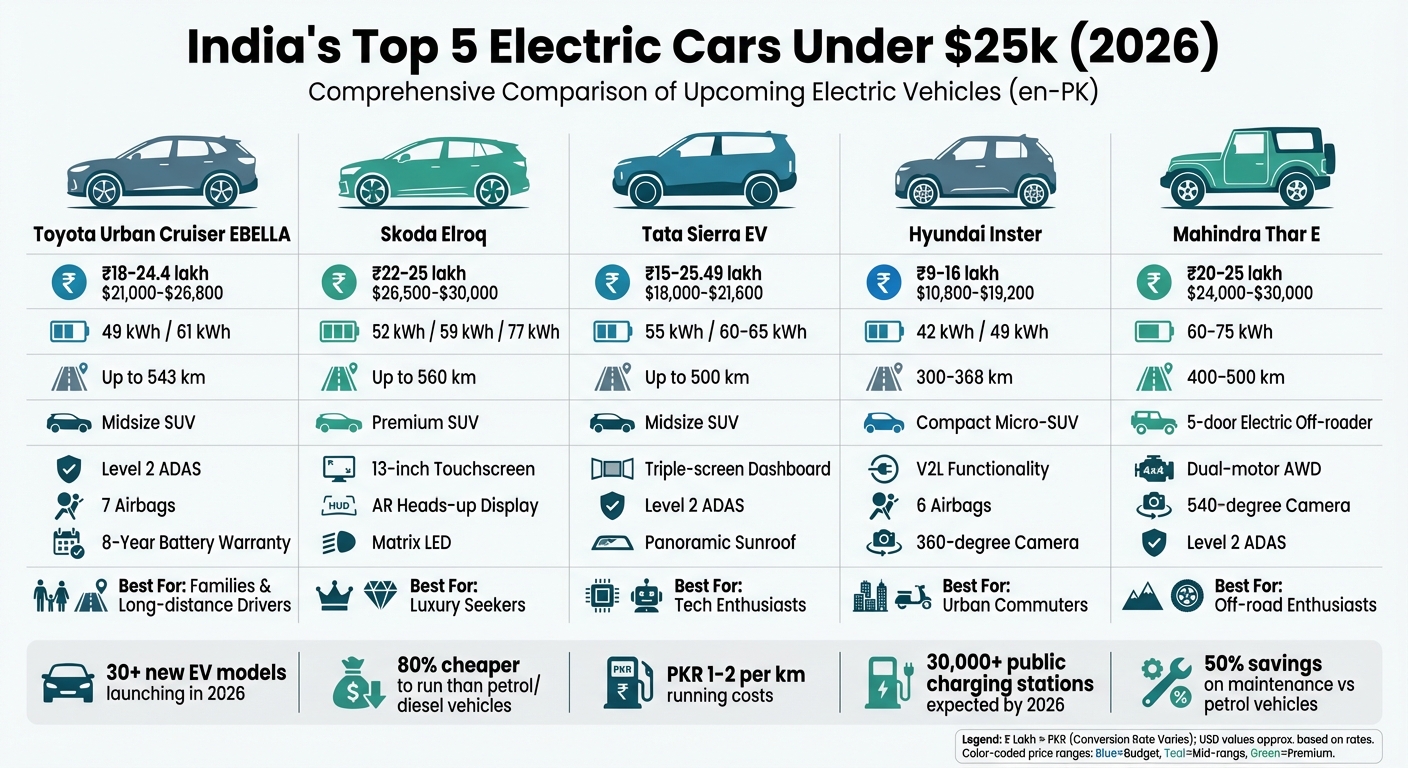
India’s EV market is booming in 2026, with over 30 new electric car models launching this year. The focus is on affordable options, especially those priced under ₹25 lakh (around PKR 7,000,000 or $25,000). Rising fuel costs and government incentives under FAME III are driving this shift, making EVs up to 80% cheaper to run than petrol or diesel vehicles. Here’s a quick look at the top five EVs launching this year:
- Toyota Urban Cruiser EBELLA: A midsize SUV with a 543 km range, starting at ₹18 lakh (PKR 58,50,000). Offers advanced features like Level 2 ADAS and a spacious interior.
- Skoda Elroq: Premium SUV starting at ₹22 lakh (PKR 71,50,000). Features three battery options, with a maximum range of 560 km.
- Tata Sierra EV: Nostalgic SUV with a modern twist, priced from ₹15 lakh (PKR 48,75,000). Offers flexible battery options and a range of up to 500 km.
- Hyundai Inster: Compact micro-SUV ideal for urban mobility, starting at ₹9 lakh (PKR 29,25,000). Provides a range of over 300 km.
- Mahindra Thar E: India’s first electric off-roader, priced between ₹20–25 lakh (PKR 65,00,000–81,25,000). Combines rugged design with a range of 400–500 km.
These models cater to various needs, from budget-friendly urban commuters to premium SUVs and off-road enthusiasts. Government incentives, low running costs (PKR 1–2 per km), and improved charging infrastructure make this the perfect time to switch to electric mobility.
Top 5 Electric Cars Under $25k in India 2026: Price, Range & Features Comparison
EVs Launching in India 2026: Best Electric Cars Under ₹10L to ₹50L | Full Buyer’s Guide
sbb-itb-5f05a6f
1. Toyota Urban Cruiser EBELLA
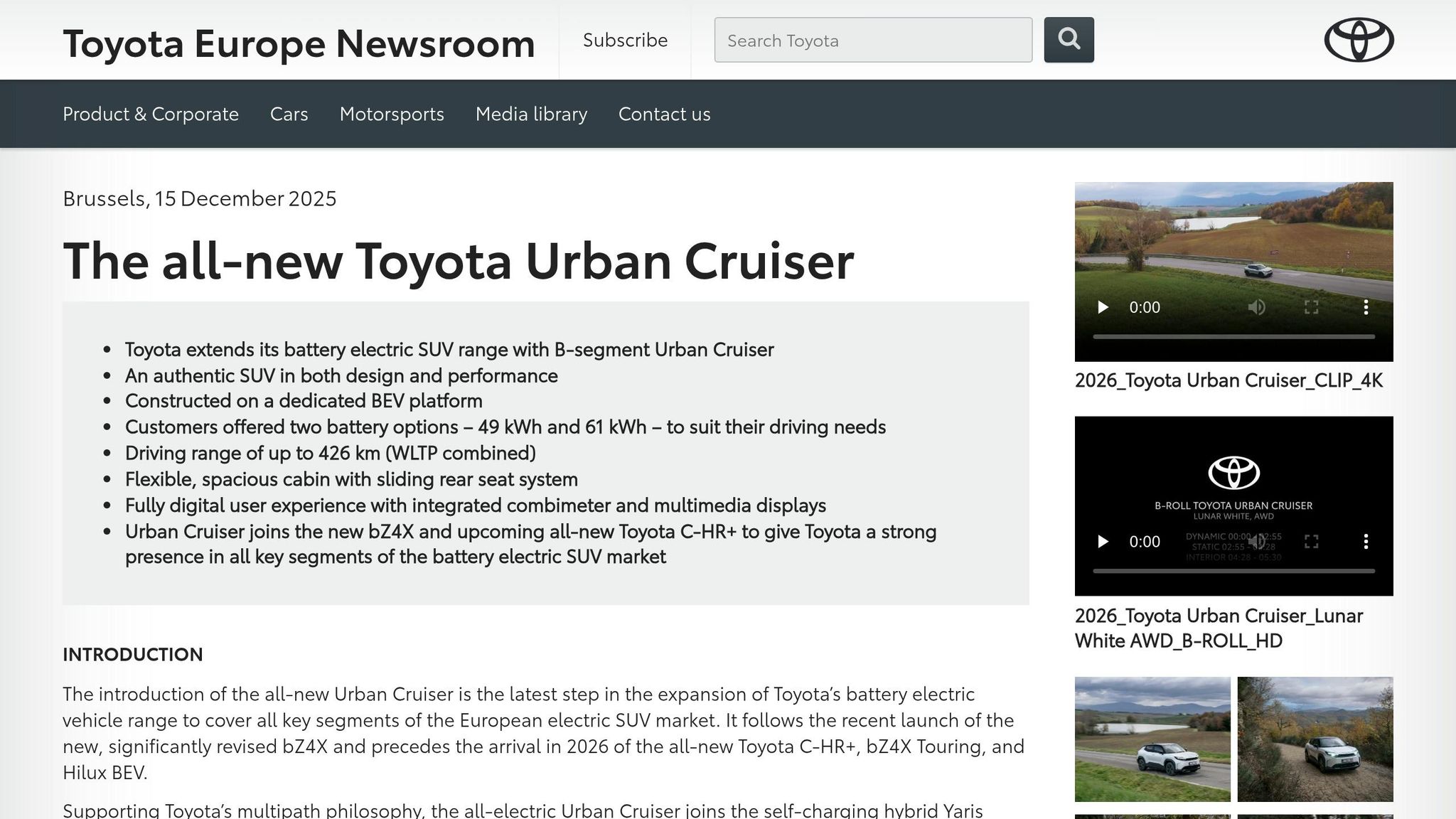
The Toyota Urban Cruiser EBELLA marks Toyota’s entry into the mass-market EV segment in India, aimed at families looking for a midsize electric SUV. Essentially a rebadged version of the Maruti Suzuki e Vitara, this model is enhanced with Toyota’s signature "Hammerhead" front-end design and bold 18-inch alloy wheels. Built on a dedicated EV platform at Suzuki Motor’s Gujarat facility, the EBELLA is designed from the ground up as an electric vehicle. Below is a closer look at its pricing, battery options, design, and standout features.
Price
The EBELLA is priced to appeal to a wide range of buyers. The base E1 variant starts at Rs. 18.00–19.00 lakh (approximately PKR 58,50,000–61,75,000 or $21,000), while the mid-range E2 costs Rs. 19.50–21.00 lakh (around PKR 63,40,000–68,25,000 or $23,300). The top-spec E3 trim is available for Rs. 21.00–24.40 lakh (roughly PKR 68,25,000–79,30,000 or $26,800). On-road prices in Delhi range between Rs. 19.06 lakh and Rs. 24.42 lakh, depending on variant and local taxes. Bookings began in January 2026 with a token amount of Rs. 25,000.
Battery Range
The EBELLA comes with two Lithium Iron Phosphate (LFP) battery options. The entry-level 49 kWh battery offers an ARAI-certified range of 440 km, while the larger 61 kWh battery provides an impressive range of 543 km. These options make the EBELLA one of the most range-efficient EVs in its category, ideal for daily city commutes and longer highway drives.
Vehicle Type
This midsize electric SUV is tailored for families and first-time EV buyers. It sits on a 2,700 mm wheelbase, ensuring ample interior space. The cabin is designed for versatility, featuring sliding and reclining rear seats with a 40:20:40 split-folding configuration. The EBELLA is a practical choice for those seeking a cost-efficient yet high-performing electric vehicle.
Key Features
The EBELLA’s interior boasts a dual-screen setup, including a 10.25-inch touchscreen and a 10.1-inch digital driver’s display. The top-tier E3 variant is equipped with advanced features like Level 2 ADAS, a 360-degree camera, ventilated front seats, and a premium 9-speaker JBL sound system. Toyota’s i-Connect suite provides over 100 connected car features, such as remote charging and battery monitoring.
Safety is a priority, with 7 airbags standard across all variants, electronic stability control, and ISOFIX mounts for child seats. Toyota backs the EBELLA with an 8-year battery warranty, a 60% assured buyback value after three years, and extensive after-sales support, including over 500 EV-enabled service centres and 2,500 trained EV mechanics.
2. Skoda Elroq
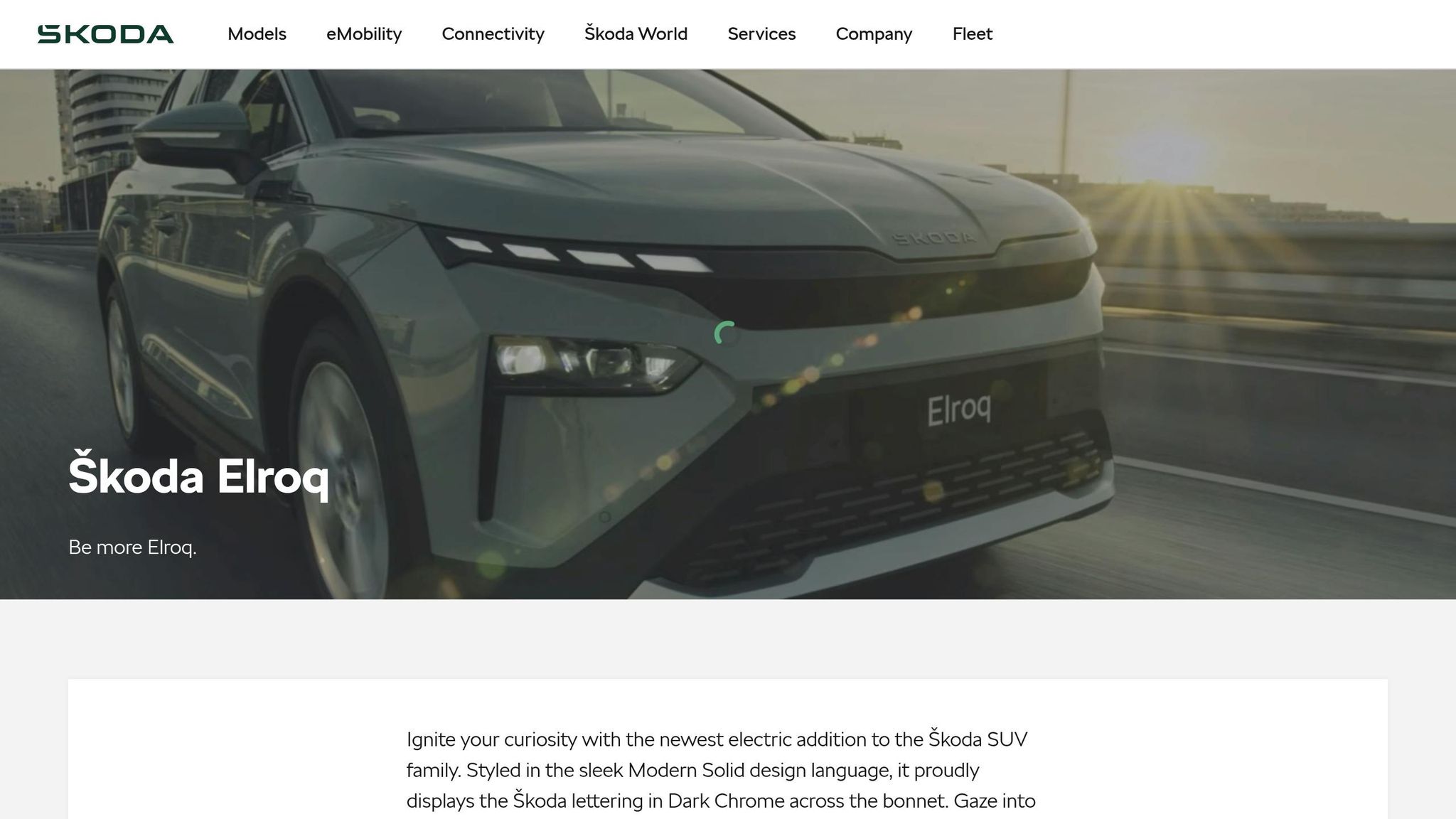
After examining the Toyota Urban Cruiser EBELLA, the Skoda Elroq steps into the spotlight with its bold design and advanced tech. This midsize electric SUV introduces Skoda’s "Modern Solid" design language to the market. Slated for a launch between March and June 2026, the Elroq is built on the Volkswagen Group’s trusted MEB platform – the same one used by the Audi Q4 e-tron. Measuring 4.49 metres in length, it slots between the Karoq and the Enyaq, offering a roomy interior [26, 29].
Price
The estimated price for the Elroq starts at ₹22–25 lakh (roughly PKR 71,50,000–81,25,000 or $26,500–$30,000) for the base models. Mid-tier variants are expected to range between ₹25–35 lakh, while premium imported versions could go up to ₹50 lakh. Globally, the entry price is around €33,000 (approximately ₹30.63 lakh) [28, 29, 30]. Positioned slightly above the $25,000 mark, the Elroq competes as a premium alternative to entry-level electric SUVs like the Toyota Urban Cruiser EBELLA.
Battery Range
Buyers can choose from three battery options:
- A 52 kWh battery offering a range of about 370 km.
- A 59 kWh battery (204 hp) providing a range of 385–400 km.
- A 77 kWh battery (285 hp) that exceeds 560 km on the WLTP cycle.
All variants support DC fast charging, taking the battery from 10% to 80% in just 24–28 minutes [26, 29].
Vehicle Type
Designed for families and professionals seeking a premium EV experience, the Elroq boasts a drag coefficient of 0.26, aided by active cooling vents to improve aerodynamics [26, 29]. It also offers practical storage solutions, including 48 litres of in-cabin storage and a 470-litre boot, which expands to 1,580 litres with the rear seats folded. The interior reflects Skoda’s commitment to eco-friendly materials, featuring upholstery crafted from recycled PET bottles and nylon derived from fishing nets.
Key Features
One of the standout elements of the Elroq is its "Tech-Deck Face", a sleek black panel with "SKODA" lettering replacing the traditional grille [26, 28]. Inside, the cabin is equipped with modern features like a 13-inch floating touchscreen, an augmented reality heads-up display, and a fully digital instrument cluster. The top-spec 85 variant delivers impressive performance, accelerating from 0 to 100 kph in just 6.6 seconds. Additional highlights include Matrix LED headlamps and a comprehensive ADAS suite for enhanced safety and convenience [26, 28, 29]. These features position the Elroq as a cutting-edge option in the rapidly growing EV market.
3. Tata Sierra EV
The Tata Sierra EV blends a touch of nostalgia with cutting-edge technology. This mid-size electric SUV brings back the 1991 Sierra’s iconic design, featuring its signature boxy shape and wraparound rear glass. Built on Tata’s Gen‑2 Acti.ev platform – also used for the Curvv EV and Harrier EV – the Sierra EV is set to debut on 26th or 27th March, 2026.
Price
Designed to appeal to budget-conscious buyers, the Sierra EV is expected to start at ₹15–18 lakh (approximately PKR 48,75,000–58,50,000 or $18,000–$21,600). Mid-range models like the Adventure 2WD (55 kWh) are estimated at ₹18.99 lakh, while the top-tier Empowered AWD (60 kWh) could go up to ₹25.49 lakh. Some early reports suggest an entry-level price as low as ₹12.99 lakh, keeping many variants competitively priced under $25,000. These pricing options aim to provide great value without compromising on battery performance.
Battery Range
The Sierra EV will be available with three battery options. A 55 kWh battery is expected to deliver an ARAI-rated range of about 350–400 km, while a larger 60–65 kWh pack could push that range to 450–500 km. Reports also hint at a potential high-end 72.5 kWh variant. All models will support 120 kW DC fast charging, allowing the battery to go from 20% to 80% in just 25–30 minutes. The vehicle will also include bi-directional charging features (V2L and V2V), making it a handy backup power source during outages.
Vehicle Type
This 5-seater SUV measures 4,380 mm in length and offers a ground clearance of 200–205 mm, making it ideal for tough road conditions. The boot space ranges from 420 to 450 litres, providing ample room for luggage. Inside, the cabin boasts a triple-screen dashboard, including a 12.3-inch infotainment display, a 10.25-inch instrument cluster, and a separate screen for the passenger. The Sierra EV will be available in both 2WD and dual-motor AWD configurations, offering versatility and practicality.
Key Features
Packed with modern features, the Sierra EV includes Level 2 ADAS for improved highway safety. Luxuries such as a panoramic sunroof, ventilated front seats, and a 12-speaker JBL sound system enhance the driving experience. Other highlights include Matrix LED headlamps, a 360-degree camera, and six airbags as standard. Performance-wise, the vehicle offers up to 175 HP, accelerates from 0 to 100 km/h in under 9 seconds, and reaches a top speed of 170 km/h. Early reviews from Hindustan Times rate it an impressive 4.6/5 based on eight evaluations, with buyers commending its iconic design and plush interiors.
4. Hyundai Inster

The Hyundai Inster is making waves as a compact electric micro-SUV, designed with urban mobility in mind. Drawing inspiration from the Casper model, this vehicle prioritises cabin space within a compact 3,825 mm frame – slightly shorter than the Tata Punch EV, which measures 3,857 mm. Built on the cost-effective E-GMP (K) platform, the Inster will be manufactured at Hyundai’s Sriperumbudur facility, using locally sourced batteries through a partnership with Exide. This approach is aimed at keeping the vehicle’s price within reach for a broader audience. Expected to launch in India between June and late 2026, the Inster is set to offer a practical and affordable solution for urban electric mobility[44,45].
Price
The Hyundai Inster is expected to be one of the more budget-friendly electric SUVs in the market. Its base model is projected to cost between ₹9 lakh and ₹12 lakh (approximately PKR 29,25,000–39,00,000 or $10,800–$14,400), while the long-range variant may go up to ₹16 lakh (around PKR 52,00,000 or $19,200)[42,44]. All variants are priced under the $25,000 mark, making it an appealing option for those looking for affordable electric vehicles. Competing with models like the Tata Punch EV, Citroen eC3, and MG Windsor EV, the Inster combines competitive pricing with efficient performance, making it a strong contender in the growing EV market in India and Pakistan[44,45].
Battery Range
The Inster will be available with two battery options: a standard 42 kWh pack offering a range of over 300 km, and a long-range 49 kWh variant with a WLTP-rated range of 355–368 km[43,44]. In everyday driving conditions, these numbers translate to an estimated range of 300–350 km on a full charge. Both versions come equipped with 120 kW DC fast charging, allowing the battery to go from 10% to 80% in just about 30 minutes. The standard model delivers 97 PS, while the long-range version produces 115 PS, with both variants generating 147 Nm of torque.
Vehicle Type
The Inster offers a longer wheelbase – 180 mm more than the standard Casper – providing space for a larger battery pack and a more versatile interior layout. Its smart design includes seats that fold completely flat, including the driver’s seat, and rear seats that slide by 16 cm to balance passenger comfort and boot space, which varies between 238 and 351 litres[43,44]. Hyundai plans to roll out approximately 65,000 units annually. Performance-wise, the Inster accelerates from 0 to 100 km/h in 10.6 seconds and reaches a top speed of 150 km/h.
Key Features
The Inster is loaded with tech, featuring dual 10.25-inch screens – one for the instrument cluster and the other for infotainment[43,46]. It also includes Vehicle-to-Load (V2L) functionality, allowing users to power external devices with up to 3.6 kW[43,46]. Safety gets a boost with six airbags, a 360-degree camera, and an ADAS suite that includes adaptive cruise control, lane-keep assist, and blind-spot monitoring[44,46]. Design elements like "pixelated" LED light signatures, inspired by Hyundai’s IONIQ series, add a modern touch, while features like a single-pane sunroof and heated front seats enhance comfort[43,47].
The Hyundai Inster is shaping up to be a well-rounded and accessible option for those seeking a compact EV with modern features and practicality.
5. Mahindra Thar E
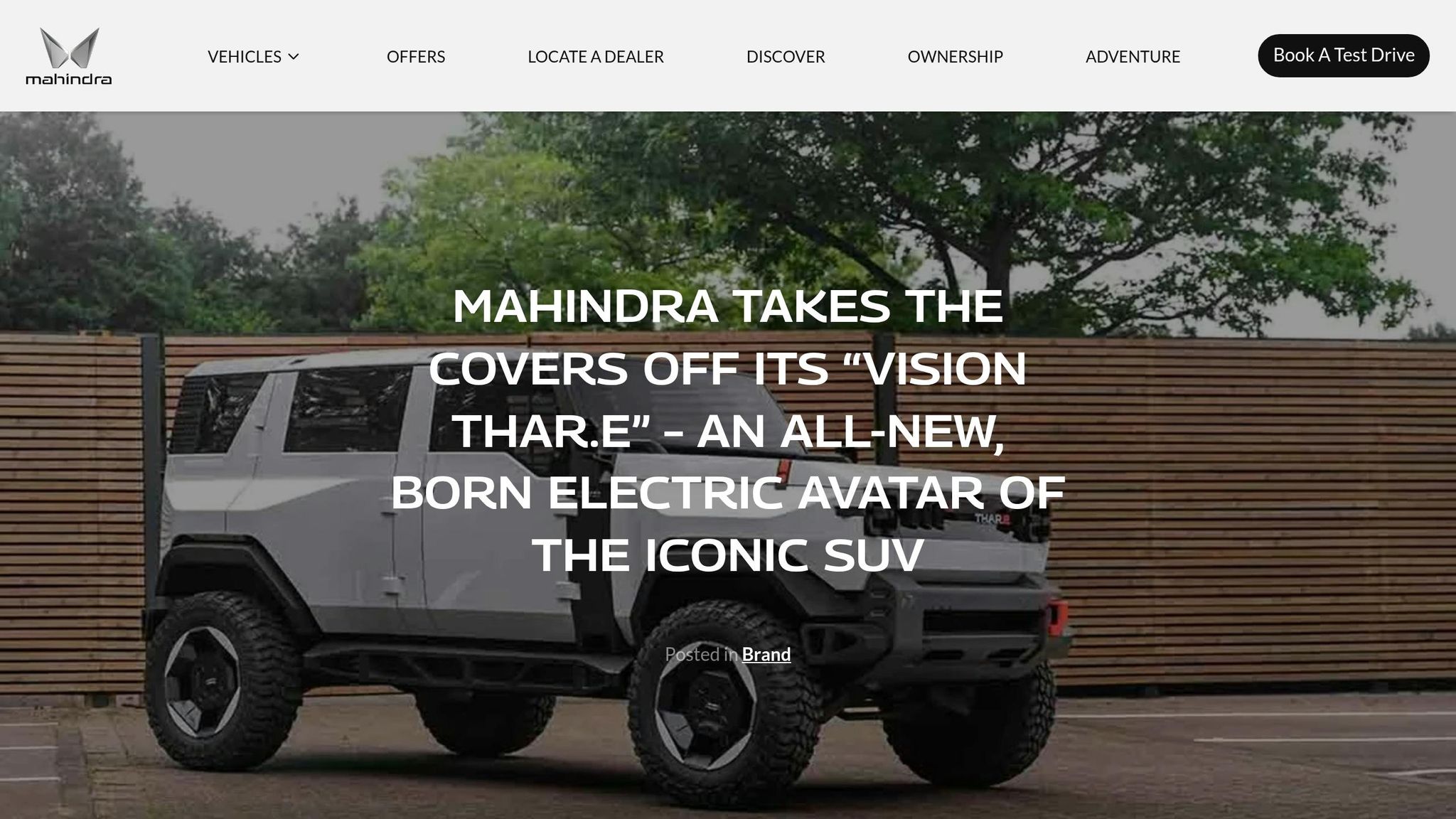
The Mahindra Thar E is a bold addition to India’s electric vehicle lineup, combining off-road prowess with modern electric technology. Built on the INGLO-P1 skateboard platform, this 5-door SUV takes the iconic Thar name into the electric era as India’s first mass-market electric off-roader. Unlike the traditional 3-door internal combustion engine (ICE) version, the Thar E offers a more practical design while keeping its adventurous DNA intact. Its dual-motor All-Wheel Drive (AWD) system ensures genuine 4×4 capabilities, distributing power to both axles for excellent traction on various terrains. With a 300 mm ground clearance and a wheelbase of 2,775–2,975 mm, it’s ready to navigate both city streets and rugged landscapes. The Thar E is expected to launch around August 2026, targeting buyers who want advanced tech and off-road capability at an accessible price.
Price
The Mahindra Thar E is expected to be priced between ₹20 lakh and ₹25 lakh (approximately PKR 65,00,000–81,25,000 or $24,000–$30,000). The base AX variant is likely to cost around ₹20–22 lakh (roughly PKR 65,00,000–71,50,000 or $24,000–$26,400), while the premium LX variant could range from ₹23–25 lakh (approximately PKR 74,75,000–81,25,000 or $27,600–$30,000). While its pricing places it at the higher end of the budget-friendly spectrum, the Thar E offers features and off-road capabilities that are rare in its class. It competes with models like the Maruti Suzuki e Vitara and Toyota Urban Cruiser EBELLA, though it stands out with its off-road focus, unlike compact EVs such as the Tata Punch EV.
Battery Range
The Thar E promises a range of 400–500 km on a single charge, powered by a battery pack of 60 kWh to 75 kWh. This makes it versatile enough for daily commutes and longer adventures. Equipped with fast-charging technology, it can charge up to 80% in just 20–30 minutes, while a full charge using standard charging takes approximately 6–8 hours. This combination of range and charging speed ensures it meets the needs of both urban users and off-road enthusiasts.
Vehicle Type
Breaking away from the 3-door tradition, the Thar E adopts a 5-door layout, enhancing practicality without losing its rugged charm. Its design includes squared LED headlamps, a closed-off grille with Thar.e branding, bold wheel arches, and a tailgate-mounted spare wheel. Performance-wise, the SUV can accelerate from 0–100 km/h in under 6–7 seconds, which is impressive for an off-road-focused vehicle. It features an independent front suspension and a multi-link rear setup for a balance of on-road comfort and off-road control. The Electric Terrain Response system with torque vectoring offers specific modes for mud, sand, rocks, and snow, making it capable of handling varied landscapes. Additionally, Mahindra plans to make the Thar E customisable with removable interior and exterior parts, catering to different types of adventures.
Key Features
The Thar E is packed with features that enhance its rugged design and driving experience. It includes 75 custom sound profiles tailored to different driving modes – a unique touch for an EV. Inside, the redesigned cabin boasts grab rails, a large central touchscreen infotainment system, a fully digital driver’s display, and a multifunction steering wheel with Thar.e branding. Advanced safety and tech features include Level 2 ADAS (adaptive cruise control, automatic emergency braking, and lane-keep assist) and a 540-degree camera system to handle tight trails and obstacles. Safety is further bolstered by a reinforced chassis, multiple airbags, and Electronic Stability Control (ESC). The use of eco-friendly materials in the cabin aligns with its electric identity.
Advantages and Disadvantages
The upcoming EV models bring a mix of strengths and trade-offs, catering to varying buyer preferences. Here’s a closer look at what each model offers and where they might fall short.
The Toyota Urban Cruiser EBELLA grabs attention with its impressive 543 km ARAI-certified range from a 61 kWh battery, making it a solid choice for long trips. However, its 189 Nm torque and a 45-minute charging time don’t quite match up to some competitors like the Creta EV.
The Skoda Elroq positions itself as a premium offering, boasting European engineering and luxury features. But this comes at a steep price, making it less appealing for budget-conscious buyers.
The Tata Sierra EV offers versatility with 55 kWh and 65 kWh battery options, delivering a real-world range of 450–500 km. Add to that premium features like a triple-screen dashboard, and it’s a strong contender for tech-savvy buyers. However, its price overlaps with other mid-range models, which could be a drawback.
The Hyundai Inster stands out as the most affordable option, designed with urban commuters in mind. While its pricing is attractive, details about its range and charging capabilities remain under wraps, leaving some questions unanswered.
Finally, the Mahindra Thar E aims to be a budget-friendly lifestyle EV, with pricing that’s hard to beat. While performance specs are yet to be revealed, its affordability makes it a tempting choice for those looking for a cost-effective EV.
Comparative Insights for Budget-Conscious EV Buyers
| Model | Advantage | Disadvantage | Best For |
|---|---|---|---|
| Toyota EBELLA | 543 km range with 61 kWh battery | Lower torque and slower charging | Long-distance drivers |
| Skoda Elroq | Premium European design and features | High price point | Buyers seeking luxury |
| Tata Sierra EV | Flexible battery options, premium interior | Overlaps with mid-range competitors | Tech enthusiasts |
| Hyundai Inster | Most affordable, practical urban design | Limited disclosed specifications | City commuters |
| Mahindra Thar E | Extremely competitive pricing | Performance specs pending | Budget-conscious lifestyle EV buyers |
This breakdown provides clarity for buyers with different priorities, helping them zero in on the model that best suits their needs.
Conclusion
Based on the detailed model reviews above, the Indian EV market in 2026 offers a variety of exciting options for buyers considering a switch to electric vehicles, particularly in the under PKR 7,000,000 price range. Among these, the Toyota Urban Cruiser EBELLA emerges as a standout choice, delivering an impressive 543 km range and backed by a robust service network that ensures solid resale value.
For those on a tighter budget, the Hyundai Inster provides excellent value, with prices starting around PKR 29,25,000–39,00,000 and a practical range exceeding 300 km. The Tata Sierra EV strikes a balance for tech enthusiasts, boasting premium features like a triple-screen dashboard and flexible battery options (55 kWh and 65 kWh), offering a range of 450–500 km. If off-road capability is a priority, the Mahindra Thar E combines rugged performance with electric efficiency. Meanwhile, the Skoda Elroq appeals to those who value European design and premium features.
India’s growing EV infrastructure, with over 30,000 public charging stations expected by 2026, makes owning an EV more convenient. Government incentives under FAME III could lower costs by as much as PKR 1–1.5 lakh, while running costs remain low at just PKR 1–2 per km. Additionally, EVs promise up to 50% savings on maintenance compared to petrol vehicles, further enhancing their long-term affordability.
For first-time EV buyers, models from trusted brands like Toyota, Tata, and Mahindra are recommended for their reliability and service support. Investing in a home wall box charger can simplify the charging process, and state-level perks like road tax waivers could reduce the final purchase price by over PKR 100,000.
Whether you’re a daily commuter, a long-distance traveller, or someone who loves cutting-edge technology, the 2026 EV lineup ensures there’s something for everyone, making it an ideal time to embrace electric mobility in India.
FAQs
Which EV under PKR 7,000,000 is best for long trips?
The MG Comet EV, with a price tag of approximately PKR 7.50 lakh, is an appealing option for those planning frequent urban commutes or short road trips. With a range of up to 230 km on a single charge and the convenience of fast charging, it ensures a hassle-free driving experience. Its modern features and affordability make it a practical pick for buyers seeking value within this budget.
How much does home charging cost per km in Pakistan?
Home charging in Pakistan is priced at approximately PKR 75 per unit. A typical electric vehicle (EV) battery consumes around 1.3 kWh per hour when charged using Level 1 charging. The exact cost per kilometre depends on the vehicle’s energy efficiency, but overall, EVs offer a cost-effective option for daily travel.
What should I check before buying an India-spec EV in Pakistan?
Before buying an India-spec EV in Pakistan, make sure it meets the country’s EV policies and standards. Look into its compatibility with Pakistan’s charging infrastructure, ensure it has the necessary certifications, and check for any import restrictions or tariffs. These steps are essential to avoid problems with functionality or legal compliance.