
 sysadmin
 The State of Qatar, a vibrant and forward-looking nation in the Middle East, is rapidly embracing the global shift towards sustainable transportation. With its capital in Doha, a population of over 3.1 million, and the Qatari Riyal as its currency, the country is laying the groundwork for a robust electric vehicle ecosystem. The official language is Arabic, and the nation follows a right-hand traffic system, with vehicles being imported primarily through the major hubs of Hamad Port and Ras Laffan Port. This commitment to modernization is reflected in its strategic initiatives to foster the growth of the electric vehicle market, creating new opportunities for consumers and importers alike.
Navigating the import regulations for electric vehicles in Qatar is a key consideration for those looking to enter this burgeoning market. A standard import duty of 5% is applied to vehicles, although electric vehicles may be eligible for exemptions or reduced tariffs, signaling the government’s intent to encourage their adoption. While specific financial incentives and subsidies for EV ownership are yet to be formally announced, discussions around future benefits such as lower registration fees and dedicated parking spaces are underway. A significant regulation for importers to note is the age restriction on used vehicles, which stipulates that imported cars must not be more than five years old from their manufacturing date, ensuring a modern and safe fleet on the country’s roads.
The electric vehicle market in Qatar is still in its early stages but shows immense potential for growth. In 2024, the EV market share stood at 1.1%, a figure that is projected to see a significant increase to 14.4% by the year 2035. While specific data on the total annual sales volume of EVs and the top-selling brands and models is yet to be confirmed, the upward trend in market share indicates a growing consumer interest in electric mobility. The popular categories of EVs, whether sedans, SUVs, or other vehicle types, will become clearer as the market matures and more data becomes available.
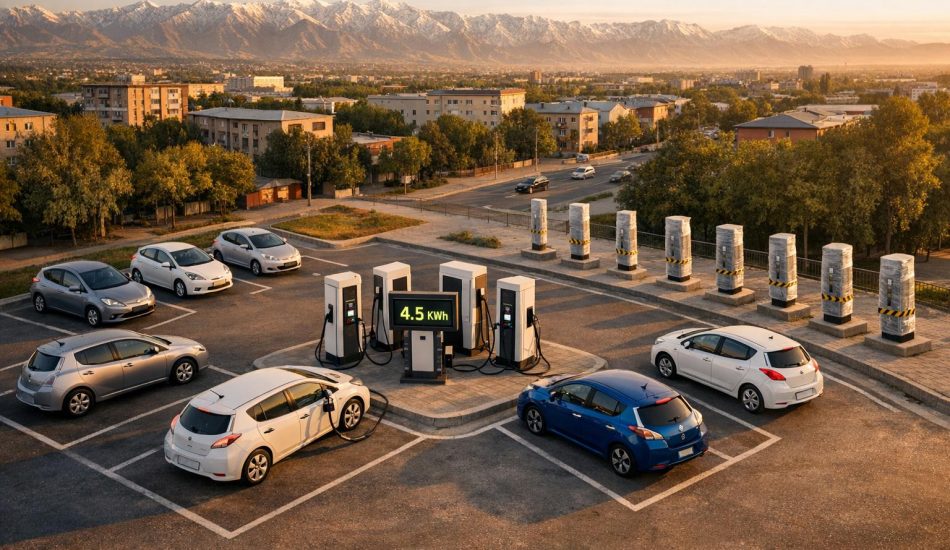
A critical component of the EV ecosystem is the availability of charging infrastructure, and Qatar has made substantial progress in this area. The country now boasts over 300 public charging stations, a number that is set to grow as part of the nation’s strategic vision. A significant portion of these are DC fast chargers, with over 300 units available to provide rapid charging solutions for EV owners. The development of this network is spearheaded by the Qatar General Electricity & Water Corporation, also known as Kahramaa, which is the major charging network operator. Other companies, such as Traffic Tech and Dynamiq Mobility, are also actively involved in the installation and expansion of the charging infrastructure, ensuring that EV drivers have reliable access to charging points across the country.
The development of a local electric vehicle industry is a key focus for Qatar as it seeks to diversify its economy and build a sustainable future. While the local manufacturing of electric cars is still in its nascent stages, there have been promising developments. Ecotranzit, a local company, has unveiled prototypes of ‘Vim’, the first electric vehicle to feature Qatari intellectual property. In terms of charging equipment, while specific local manufacturers are yet to be confirmed, the presence of global leader ABB E-mobility, with a service and training center in the Um Al Houl Free Zone, points to a growing ecosystem. A significant milestone in local assembly is the establishment of an e-bus assembly plant, a collaboration between Mowasalat (Karwa) and Yutong. These initiatives are supported by the government’s investment in the e-mobility ecosystem and strategic investments by the Qatar Investment Authority (QIA) in global EV battery manufacturing companies.
In conclusion, the electric vehicle market in Qatar presents a landscape of significant potential and opportunity. The government’s clear vision for a sustainable future, coupled with its investments in charging infrastructure and the local EV industry, creates a favorable environment for growth. For EV importers, the rising consumer demand and the supportive regulatory framework offer a compelling proposition. As the market continues to mature and expand, Qatar is well-positioned to become a leading hub for electric mobility in the region, offering a wealth of opportunities for those looking to be a part of this exciting transition.