
 sysadmin
 Saudi Arabia, a nation traditionally associated with oil production, is undergoing a significant transformation as it embraces the future of mobility. The Kingdom’s Vision 2030 plan is driving a shift towards a more diversified and sustainable economy, with the electric vehicle (EV) market emerging as a key area of focus. This article provides a comprehensive overview of the EV landscape in Saudi Arabia, covering everything from import regulations to the burgeoning local industry.
An introduction to the Kingdom reveals a country with a population of approximately 35.8 million people, with Riyadh as its capital. The official language is Arabic, and the currency is the Saudi Riyal (SAR). For those looking to import vehicles, it is important to note that Saudi Arabia follows a right-hand traffic system. The main ports for vehicle importation include the Jeddah Islamic Port, King Abdullah Port, and the King Abdulaziz Port in Dammam, which are all equipped to handle large volumes of automotive cargo.
Navigating the import regulations is a crucial step for anyone looking to bring EVs into Saudi Arabia. A standard customs duty of 5% is applied to electric vehicles, in addition to a 15% Value Added Tax (VAT). While there have been reports of government incentives such as tax benefits and subsidies to encourage EV adoption, other sources suggest that there are currently no specific tax incentives for EVs. Therefore, it is advisable for potential importers to seek clarification on the latest incentive schemes, and for now we will state this as “Data to be confirmed”. A significant regulation to be aware of is the vehicle age restriction, which prohibits the importation of vehicles older than five years.
The Saudi EV market is still in its nascent stages but is showing promising signs of growth. In 2024, the Kingdom witnessed a surge in EV sales, with approximately 24,092 units sold. This represents a market share of about 1%, a figure that is expected to grow exponentially as the government aims for 30% of all vehicle sales to be electric by 2030. Among the top-selling EV brands in the country are Tesla, BYD, BMW, and the locally-supported Lucid Motors. Popular EV categories include both sedans and SUVs, reflecting the diverse preferences of Saudi consumers.
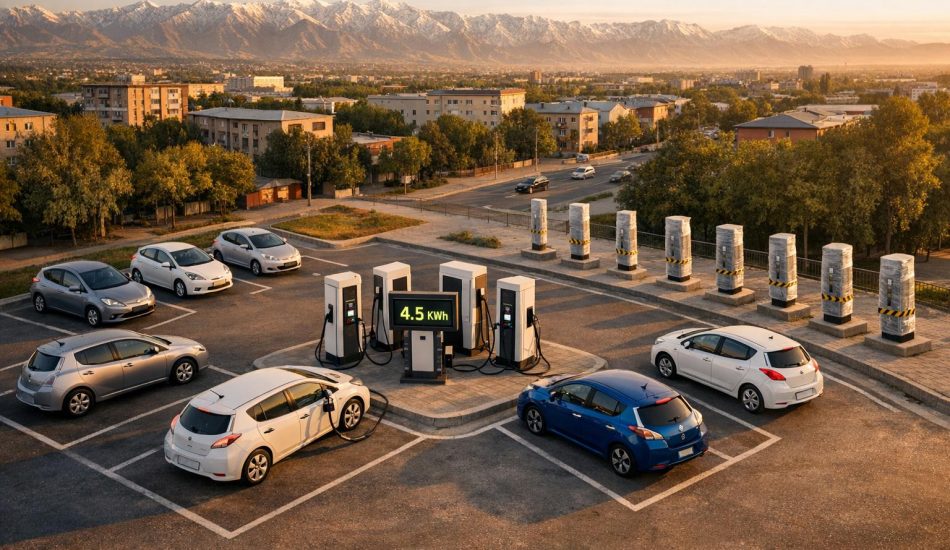
A robust charging infrastructure is essential for the widespread adoption of EVs, and Saudi Arabia is making significant investments in this area. While the exact number of public charging stations is a moving target, with some reports indicating around 1,200 stations in 2023, the government has ambitious plans to expand the network to 50,000 stations by 2030. The network comprises a mix of AC and DC fast chargers, and major charging network operators such as EVIQ and Electromin are actively expanding their presence across the Kingdom, including on major highways to facilitate long-distance travel.
The development of a local EV industry is a cornerstone of Saudi Arabia’s Vision 2030. The Kingdom has launched its own EV brand, Ceer Motors, a joint venture between the Public Investment Fund (PIF) and Foxconn, which plans to produce a range of sedans and SUVs. In addition, Lucid Motors has established an assembly plant in King Abdullah Economic City, marking the country’s first-ever car manufacturing facility. The government is actively promoting local production through various initiatives, including investments in EV battery metals plants and the establishment of an EV innovation center in partnership with Lucid and King Abdulaziz City for Science and Technology (KACST).
In conclusion, the EV market in Saudi Arabia presents a compelling opportunity for growth and investment. The government’s strong commitment to diversifying the economy and promoting sustainability, coupled with increasing consumer interest, creates a fertile ground for the expansion of the EV sector. For EV importers, the key opportunities lie in the growing demand for a diverse range of electric vehicles, the potential for partnerships with local companies, and the possibility of future government incentives. As the Kingdom continues on its path towards a greener future, the EV market is poised for a period of rapid and exciting development.