
 sysadmin
 The Philippines, an archipelago nation in Southeast Asia, is increasingly embracing the global shift towards electric mobility. With its capital in Manila, a population of over 113 million, and the Philippine Peso (PHP) as its currency, the country presents a dynamic and evolving market for electric vehicles (EVs). The official languages are Filipino and English, the latter being widely used in business and legal contexts, which simplifies international trade. For vehicle importation, the main gateways are the Port of Manila, Port of Cebu, Batangas International Port, Port of Subic, and the Port of Cagayan de Oro. All traffic in the Philippines keeps to the right side of the road.
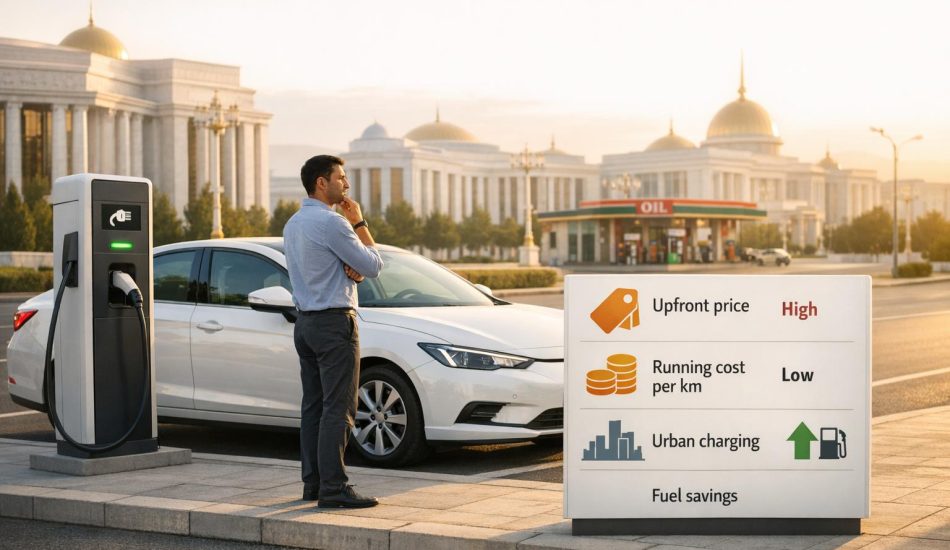
To encourage the adoption of greener transportation, the Philippine government has implemented a series of supportive import regulations. A key policy is the temporary elimination of import duties on electric vehicles, a zero-tariff incentive that has been extended until 2028. This is a significant reduction from the previous 5% to 30% tariffs. Furthermore, fully electric vehicles are completely exempt from excise taxes, while hybrid vehicles receive a 50% reduction. EV owners also benefit from a 30% discount on the motor vehicle user’s charge, with a 15% discount for hybrid vehicle owners. While there are generally age restrictions on imported used vehicles, typically a five-year limit, specific regulations can vary, so importers should verify the latest rules. The Electric Vehicle Industry Development Act (EVIDA) serves as the comprehensive legal framework underpinning these incentives, aiming to foster a robust EV ecosystem.
The Filipino EV market is experiencing significant growth, albeit from a low base. In 2024, approximately 3,880 electric vehicles were sold, a substantial increase from 1,028 units in 2023. Projections for 2025 are optimistic, with sales expected to approach 20,000 units. While the overall EV market share remains modest, the rapid growth rate signals strong consumer interest. Chinese automaker BYD has established itself as the dominant brand in the Philippine EV market, with its models like the Atto 3 and Dolphin being top sellers. Other popular brands include Chery, Kia, Jetour, and MG, with models such as the Kia EV6, Jetour Ice Cream EV, and MG 4 EV gaining traction. The market shows a clear preference for SUVs and sedans, reflecting broader automotive trends in the country.
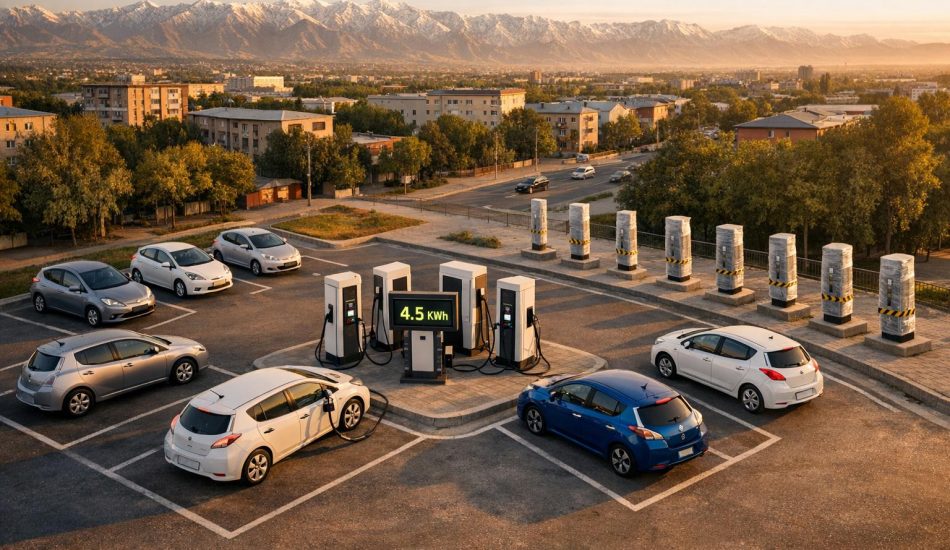
To support the growing EV population, the charging infrastructure in the Philippines is expanding at a fast pace. As of early 2025, there were over 912 public charging stations across the country. This network includes a mix of AC chargers, typically 22kW, and DC fast chargers, with speeds of 60kW and higher, which can charge a vehicle to 80% in about 30 minutes. Several companies are actively developing the charging landscape, with major operators including ACMobility, which has partnered with Shell, Mober, PESIN, and others. Real estate developers like Ayala Land are also playing a crucial role by integrating EV charging stations into their commercial and residential properties, making charging more accessible to the public.
The local EV industry is also showing promising signs of development. The Philippines is home to local manufacturers like To-Jo Motors, which specializes in electric jeepneys, a popular form of public transportation. The two and three-wheeler EV segment also has a number of local players. In terms of charging equipment, companies like PESIN and Supernova are contributing to the local manufacturing ecosystem. The country has also attracted investment in assembly and production facilities. A notable development is the establishment of an e-jeepney assembly plant in South Luzon and a new EV battery plant in New Clark City, which opened in late 2024. These initiatives are supported by the government’s push to position the Philippines as a regional hub for EV manufacturing, as outlined in the EVIDA law.
In conclusion, the Philippine electric vehicle market holds considerable potential. The combination of a large population, government incentives, and growing environmental awareness creates a fertile ground for EV adoption. For importers, the opportunities are significant, particularly for introducing a wider range of EV models to cater to different market segments. The expanding charging infrastructure and the development of a local manufacturing base further strengthen the long-term outlook for the EV industry in the Philippines. As the market matures, it is poised for sustained growth, making it an attractive destination for investment and business expansion in the electric mobility sector.