
 Arka Pratama
 Myanmar, a nation of approximately 55 million people, is progressively embracing the electric vehicle revolution, a significant move for a country that has experienced considerable economic and political change. The capital city, Naypyidaw, is overseeing a significant shift in the country’s automotive landscape, which has traditionally been dominated by second-hand vehicles. With the Myanmar Kyat (MMK) as its currency and Burmese as the official language, the country is taking deliberate steps to foster a sustainable and environmentally friendly transport sector. For international trade, the port of Yangon, including the modern Thilawa Port, serves as the primary gateway for vehicle importation, handling the majority of the nation’s maritime trade. A key consideration for importers is that Myanmar follows a right-hand traffic system, a unique feature in a region where many of its neighbours drive on the left.
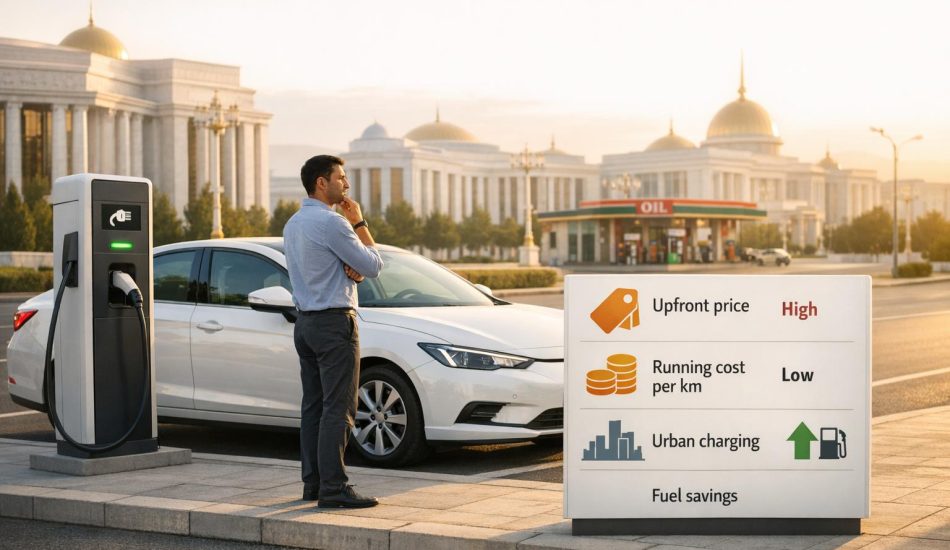
The government of Myanmar has demonstrated a strong commitment to promoting electric mobility through a series of strategic policy decisions. A landmark move in this direction has been the introduction of significant tariff exemptions for electric vehicles. Under Notification No. 27/2025, which is effective from April 1, 2025, to March 31, 2026, the customs duty rate for battery electric vehicles (BEVs) and their essential components has been reduced to zero percent. This policy provides a substantial incentive for both importers and consumers, making EVs a more financially attractive option in a market where vehicle affordability is a key concern. While there are no explicit age restrictions for imported EVs under the current pilot project, importers must adhere to the standards and regulations set by the National-Level Steering Committee for the Development of Electric Vehicles and Related Enterprises.
The impact of these government initiatives is clearly visible in the burgeoning EV market. As of August 2025, the number of registered electric cars in Myanmar had reached 9,026, a testament to the growing consumer interest and the effectiveness of the new policies. The market is currently dominated by Chinese brands, with BYD, MG, Leapmotor, and Dongfeng emerging as the top players. The BYD Atto 3, a compact SUV, has been noted as a particularly popular model among consumers in Myanmar, likely due to its competitive pricing and modern features. Other models such as the BYD Seal and various models from MG are also gaining traction. While specific data on the overall EV market share and the most popular EV categories are yet to be confirmed, the upward trend in sales is unmistakable, with the market showing a clear preference for SUVs and sedans.
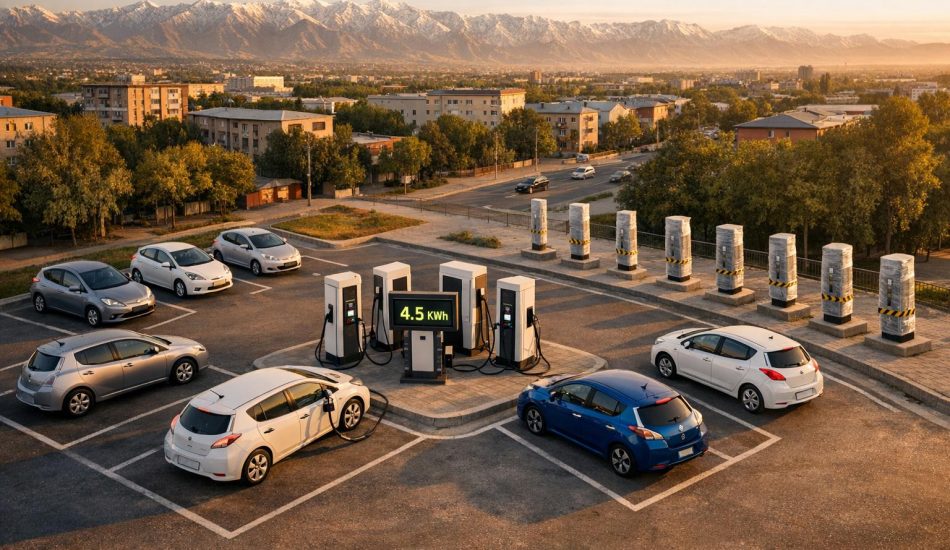
To support the growing fleet of electric vehicles, the development of a robust charging infrastructure is underway. While the total number of public charging stations and the precise breakdown of AC and DC fast chargers are still being compiled, charging points are being established, with an initial focus on the largest city, Yangon, and along major highways connecting key urban centers like Mandalay and Naypyidaw. AGB EV Charge is one of the notable operators entering the market to build out the necessary infrastructure to support the expanding EV ecosystem. The expansion of this network will be critical to alleviating range anxiety and encouraging wider EV adoption across the country, especially in rural areas where access to charging facilities is limited.
The promotion of a local EV industry is another key pillar of Myanmar’s electric mobility strategy. The government is actively encouraging local manufacturing and assembly of electric vehicles. Several local companies, including Amazing Auto and Aunggaba Motor, have been licensed for the production of EVs and electric motorcycles, which are a popular mode of transport in the country. Furthermore, plans are in motion for the assembly of Chinese BYD electric cars within Myanmar using a semi-knocked down (SKD) system, which will help to create jobs and foster technology transfer. The government’s National Level Electric Vehicle and Related Industry Development Steering Committee is guiding these efforts to build a self-sustaining local EV industry. Data on local charging equipment manufacturers is to be confirmed, but the government’s focus on local production suggests that this is an area with significant potential for growth.
In conclusion, the electric vehicle market in Myanmar holds immense potential. The combination of strong government support, through measures like the zero-tariff policy, and a growing consumer appetite for sustainable transport solutions has created a fertile ground for growth. For EV importers, the current market dynamics present a significant opportunity to introduce a diverse range of electric vehicles to meet the evolving needs of Myanmar’s consumers, particularly in the affordable sedan and SUV segments. The continued development of charging infrastructure and the growth of the local EV industry will be crucial in realizing the full potential of electric mobility in the country, which could see Myanmar become a significant player in the regional EV market in the years to come.