
 Arka Pratama
 Mongolia, a vast and sparsely populated nation in East Asia, is gradually embracing the global shift towards electric mobility. With its unique geographical and economic landscape, the country presents both opportunities and challenges for the adoption of electric vehicles (EVs). This article provides a comprehensive overview of the EV market in Mongolia, covering everything from import regulations to the burgeoning local industry.
A landlocked country bordered by Russia and China, Mongolia has a population of approximately 3.5 million people, with its capital, Ulaanbaatar, being the largest city. The official language is Mongolian, and the national currency is the Tögrög (MNT). Traffic in Mongolia flows on the right-hand side of the road. As a landlocked nation, vehicle importation relies on border crossings, with the Zamyn-Üüd point on the Chinese border and various crossings with Russia serving as the primary entry points for vehicles.
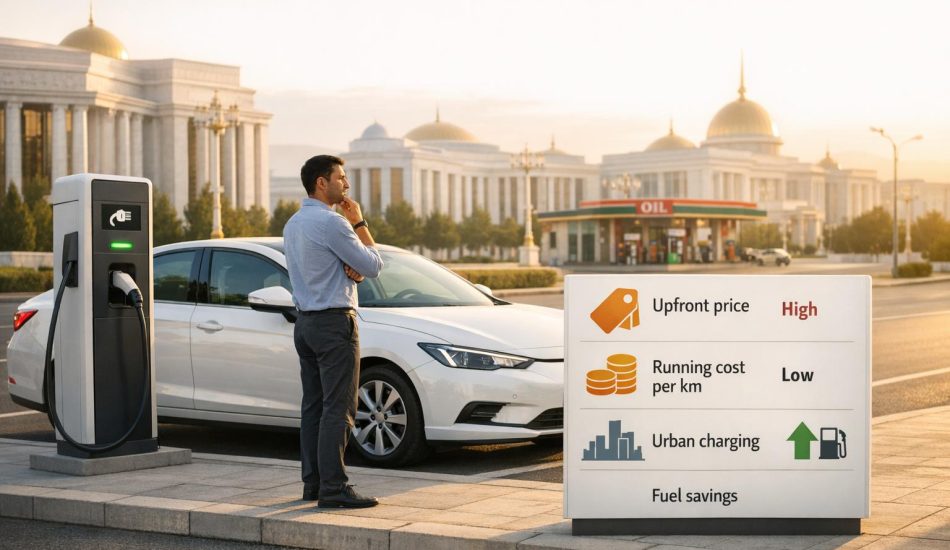
The Mongolian government has implemented several measures to encourage the adoption of electric vehicles. A significant incentive is the exemption of EVs from excise duty, which can be a substantial cost for traditional gasoline and diesel vehicles. While a 5% customs duty and a 10% Value Added Tax (VAT) are still applicable to EVs, the government offers a 50% discount on excise tax for hybrid and liquefied gas-powered vehicles, which also benefits the broader clean energy vehicle market. There are no age restrictions on imported vehicles, but an additional ‘pollution tax’ may be levied on cars older than ten years, further incentivizing the import of newer, cleaner vehicles.
The EV market in Mongolia is still in its nascent stages but is showing signs of growth. As of December 2023, over 1,000 electric vehicles were registered in the country. While specific data on EV market share and top-selling models is yet to be confirmed, the overall popularity of the Toyota brand in the country suggests a potential market for their future EV offerings. The passenger car segment dominates the automotive market, indicating a likely preference for electric sedans and SUVs as the market matures. The government’s plan to expand the electric vehicle fleet to a more substantial number by 2026 signals a strong commitment to growing the EV sector.
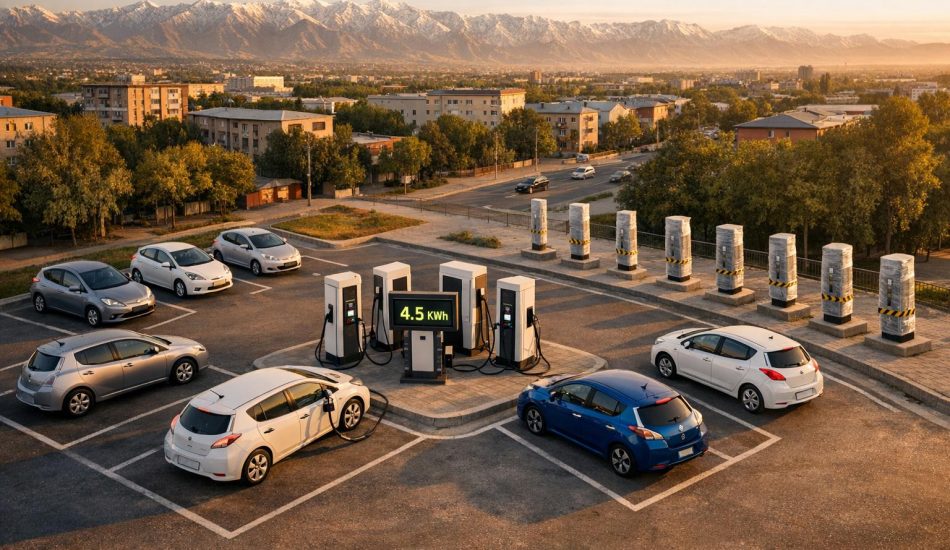
To support the growing number of EVs, Mongolia is actively developing its charging infrastructure. Although the total number of public charging stations is still to be confirmed, the network is expanding, with plans for 25 new stations in Ulaanbaatar in 2024 alone. The first DC fast-charging station was inaugurated in 2022, a crucial step in enabling long-distance electric travel. Petrovis, a major petroleum company, is one of the key players in the development of the charging network, indicating a broader industry shift towards supporting electric mobility. The availability of both AC and DC charging options will be critical for the widespread adoption of EVs.
In a significant step towards self-sufficiency, Mongolia is also fostering a local EV industry. Bars Motors, a domestic company, has introduced its own electric SUV and has established a factory for its production. This marks a pivotal moment for the country’s industrial development and its ambitions in the e-mobility space. While information on local charging equipment manufacturers and specific government initiatives for local EV production is still emerging, the establishment of a domestic EV assembly plant is a clear indicator of the country’s long-term vision for a sustainable transportation ecosystem.
In conclusion, the Mongolian EV market, though small, holds considerable potential. The combination of government incentives, a growing charging infrastructure, and the emergence of a local EV manufacturing sector creates a fertile ground for growth. For EV importers, the key opportunities lie in providing a diverse range of electric vehicles that cater to the local preferences for SUVs and durable passenger cars. As the market develops, there will also be a growing demand for charging solutions and after-sales services. With its vast landscapes and a clear government vision for a cleaner future, Mongolia is on a promising path towards an electric-powered transportation system.