
 Arka Pratama
 The Republic of Maldives, an island nation renowned for its stunning natural beauty, is embracing the global shift towards sustainable transportation. With a unique geography and a commitment to environmental preservation, the country presents a growing market for electric vehicles (EVs). This article provides a comprehensive overview of the EV landscape in the Maldives, covering everything from import regulations to market trends and future potential.
The Maldives, with its capital city of Malé, has a population of approximately 530,000 people. The official language is Dhivehi, though English is widely spoken, particularly in commerce and tourism. The national currency is the Maldivian Rufiyaa (MVR). As a country with a historical tie to the British Commonwealth, traffic in the Maldives drives on the left-hand side of the road. For vehicle importation, the primary gateway into the country is the Malé Commercial Harbour, which handles the majority of cargo and vehicle shipments.
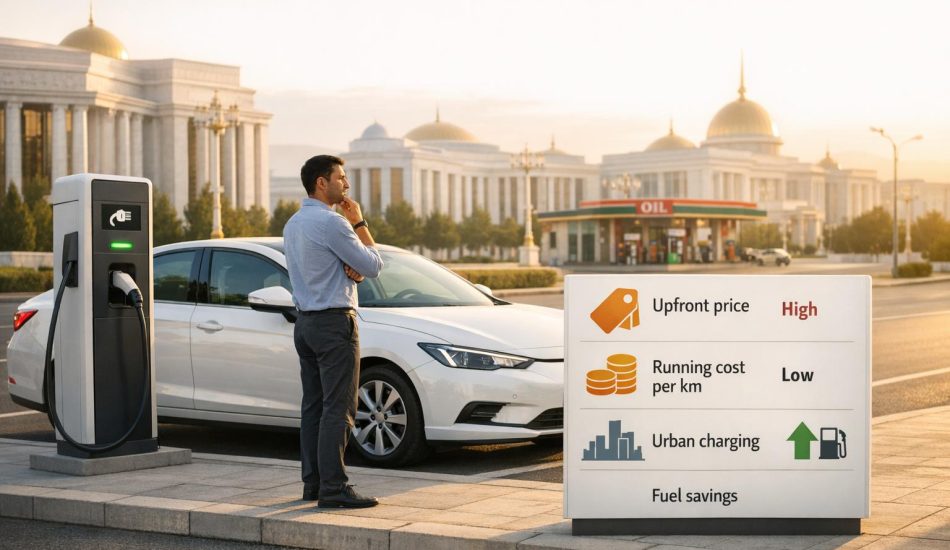
The Maldivian government has shown a strong commitment to promoting the adoption of electric vehicles through favorable import policies. While specific import duty rates can fluctuate, the government has historically waived import duties entirely for electric vehicles to encourage their uptake. This provides a significant cost advantage for EVs compared to traditional internal combustion engine vehicles, which can face high import tariffs. In addition to tax exemptions, the government has facilitated programs, such as grants for acquiring electric taxis and developing charging infrastructure, to further incentivize the transition. For those looking to import vehicles, there are currently no age restrictions on passenger cars, which simplifies the process of bringing used EVs into the country.
The electric vehicle market in the Maldives is still in its nascent stages, but it is showing clear signs of growth. While precise figures for annual EV sales volume and overall market share are yet to be consolidated, the trend indicates a positive trajectory. Compact electric cars are proving to be particularly popular, well-suited to the urban environments and shorter driving distances found in the islands. While specific top-selling models are not yet tracked in public data, brands such as the Chinese manufacturer Jinpeng have entered the market, and there is a notable interest in electric golf carts and lifestyle vehicles, with brands like Kinetic Green making inroads. The market’s development suggests a preference for smaller, efficient electric vehicles that align with the country’s unique island context. For more detailed sales data, the information is to be confirmed as the market matures.
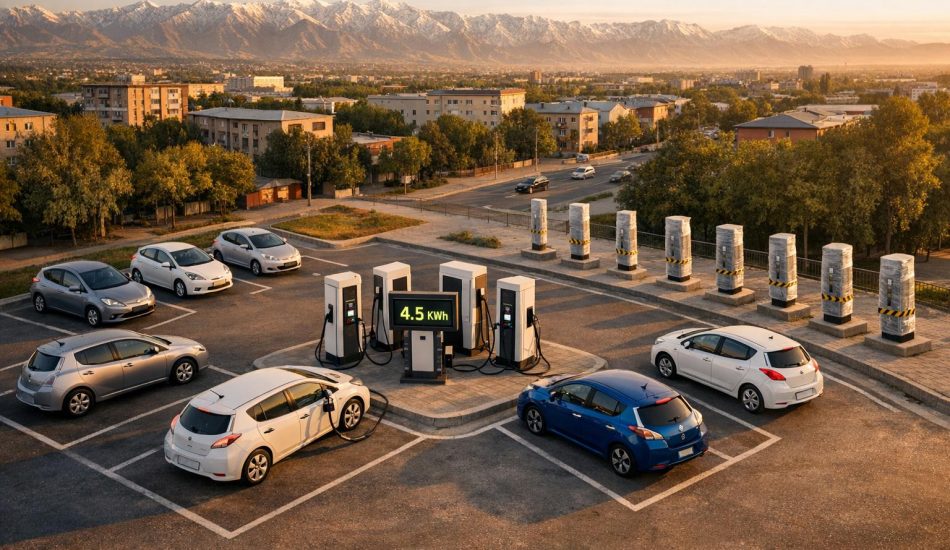
The development of a robust charging infrastructure is a critical component of the Maldives’ EV strategy. The State Electric Company (STELCO) is taking a leading role in establishing a public charging network across the islands. Plans are underway to install a significant number of charging stations, including both AC and DC fast-charging options, to ensure that EV owners have reliable access to power. While the exact number of public charging stations is currently data to be confirmed, the government and STELCO’s commitment to expanding this infrastructure is a clear indicator of their long-term vision for a fully electric transportation system. The development of this network will be a key enabler for the continued growth of the EV market.
In terms of local production, the Maldivian EV industry is beginning to take shape. While there are no large-scale local manufacturers of electric cars from the ground up, the State Electric Company (STELCO) has announced ambitious plans to assemble electric vehicles within the country. This initiative aims to reduce reliance on imports, create local jobs, and make EVs more affordable for the Maldivian population. The government is actively supporting these efforts as part of its broader strategy to foster a green economy. Information on local manufacturing of charging equipment is still to be confirmed. These local assembly initiatives, coupled with the government’s supportive policies, are expected to be a significant driver of the EV market’s expansion in the coming years.
In conclusion, the electric vehicle market in the Maldives holds considerable potential. The government’s proactive stance on reducing import duties and providing incentives creates a favorable environment for EV adoption. The focus on developing a comprehensive charging infrastructure and encouraging local assembly will further accelerate this transition. For importers, the absence of age restrictions on passenger cars and the growing demand for compact, efficient EVs present significant opportunities. As the Maldives continues on its path towards a more sustainable future, the electric vehicle market is set to play a pivotal role, offering a clean and green solution for the transportation needs of this unique island nation.