
 sysadmin
 Vietnam, a vibrant country in the heart of Southeast Asia, is rapidly emerging as a key player in the global electric vehicle revolution. With its capital in Hanoi, a population exceeding 100 million, and the Vietnamese Dong (VND) as its currency, the nation is steering towards a sustainable automotive future. As a country with right-hand traffic, Vietnam’s roads are increasingly welcoming electric vehicles, with major port cities such as Cai Lan, Hai Phong, Da Nang, and Ho Chi Minh City serving as the primary gateways for vehicle importation.
The Vietnamese government has demonstrated a strong commitment to promoting electric mobility through a series of favorable import regulations and incentives. A significant driver for the adoption of EVs is the preferential tax treatment they receive. The Special Consumption Tax (SCT) for battery-powered electric vehicles is set at a remarkably low 3% until February 2027, a stark contrast to the higher rates imposed on traditional internal combustion engine vehicles. Furthermore, to stimulate the market, the government has extended a 100 percent registration fee exemption for new battery EVs until 2027, making the initial purchase more affordable for consumers. For those looking to import vehicles, it is crucial to note that Vietnam enforces an age restriction, prohibiting the import of vehicles older than five years.
The electric vehicle market in Vietnam has been experiencing exponential growth. While exact figures for the most recent year are still being compiled, the trend is undeniably positive, with an estimated 12,585 EVs sold in 2023. This surge has pushed the EV market share to an estimated 13.6% in the same year, a significant leap from previous periods. The market is currently dominated by the local champion, VinFast, which has successfully captured the majority of the market share with its diverse lineup of electric cars. Models like the VinFast VF 3 have consistently topped the sales charts, indicating a strong consumer preference for locally manufactured EVs. While detailed data on the popularity of specific EV categories like sedans or SUVs is yet to be consolidated, the product offerings from leading brands suggest a growing interest in electric SUVs.
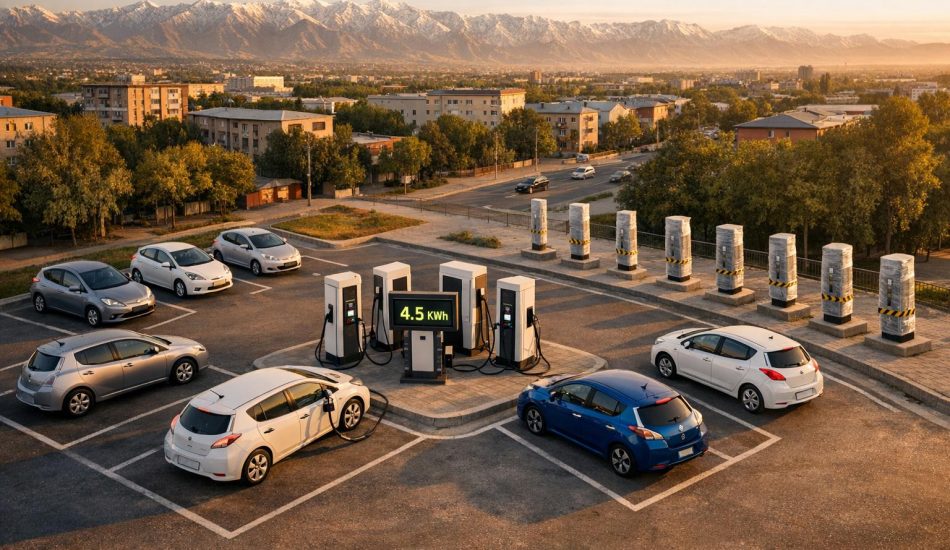
To support the burgeoning EV population, Vietnam is aggressively expanding its charging infrastructure. VinFast, through its affiliate V-Green, is at the forefront of this effort, with an ambitious plan to install 150,000 charging points across the nation. This network will consist of a mix of standard AC chargers and high-powered DC fast-charging stations, strategically located along highways and in urban centers to ensure seamless long-distance travel. While the precise breakdown of AC and DC chargers is still being finalized, the commitment to building a dense and reliable network is clear. Other key players in the charging ecosystem include EBOOST and CHARGE+, who are also contributing to the expansion of public charging options, providing EV owners with greater convenience and peace of mind.
The local EV industry is a cornerstone of Vietnam’s electric mobility strategy. The landscape is led by domestic automaker VinFast, which has not only established a strong presence in the passenger car segment but is also a key player in the electric two-wheeler market. Alongside VinFast, other manufacturers like TMT Motor are also entering the electric car space. The electric two-wheeler market is particularly vibrant, with local brands such as PEGA, Dibao, Dat Bike, and SonHa offering a wide range of products catering to the country’s large population of motorbike users. The government is actively fostering this domestic industry through various initiatives, including tax incentives for local production and support for the establishment of assembly plants and manufacturing facilities. This focus on local manufacturing not only creates jobs but also helps to build a self-sustaining EV ecosystem in Vietnam. The development of a local supply chain for components like charging equipment is also a priority, though specific local manufacturers in this segment are yet to emerge as major players.
In conclusion, the outlook for Vietnam’s electric vehicle market is exceptionally promising. With strong government support, a rapidly growing consumer base, and a robust local manufacturing industry, the country is well-positioned to become a leader in electric mobility in Southeast Asia. Projections indicate that there could be as many as one million electric vehicles on Vietnamese roads by 2028, presenting significant opportunities for both domestic and international players. For EV importers, the combination of a large, untapped market and favorable import policies creates a compelling business case. As the nation continues on its path towards a greener transportation future, the opportunities for growth and innovation in Vietnam’s EV sector are immense.