
 Arka Pratama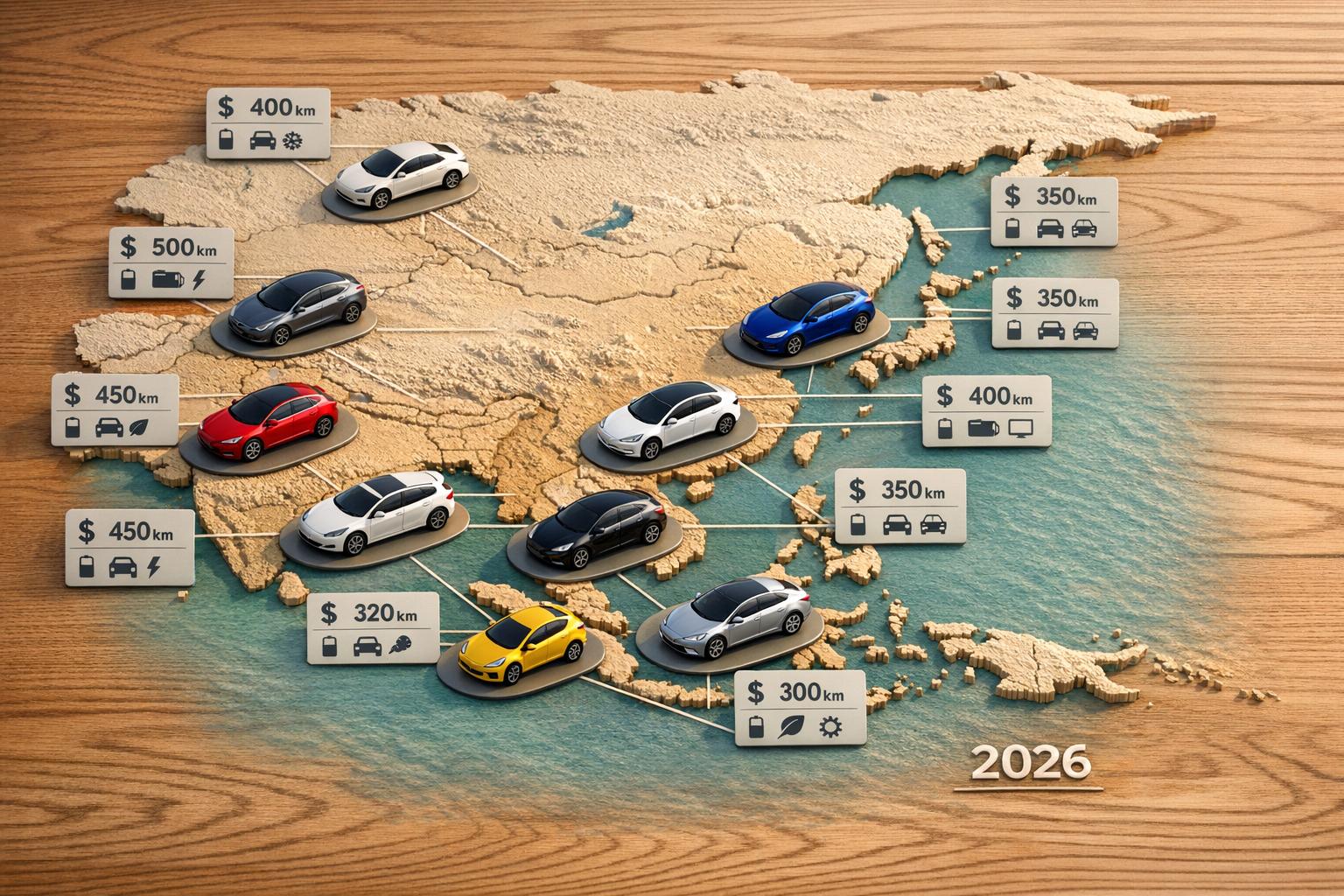
Asia’s EV market in 2026 showcases a mix of affordability and cutting-edge technology, driven largely by Chinese manufacturers and diverse government policies. From budget-friendly options like the Wuling Air EV in Indonesia to premium models such as Tesla Model 3 in the Philippines, the region’s EV landscape is expanding rapidly. Here’s a quick look at the highlights:
- China: BYD Atto 3 leads with a 420 km range and competitive pricing (PKR 7,700,000).
- Japan: Toyota bZ4X offers a 500 km range and advanced features (PKR 9,500,000–11,200,000).
- India: Tata Nexon EV dominates with affordability and a range of 465 km (PKR 3,500,000–4,200,000).
- South Korea: Hyundai Ioniq 5 impresses with futuristic design and 481 km range (PKR 11,000,000–13,500,000).
- Pakistan: BYD Atto 3 stands out as the most affordable EV SUV (PKR 8,990,000).
- Thailand: MG ZS EV balances price and performance with a 440 km range (PKR 5,800,000–6,500,000).
- Indonesia: Wuling Air EV caters to urban drivers with compact design and 300 km range (PKR 3,800,000–4,200,000).
- Malaysia: Proton e.MAS 7 combines practicality and range up to 410 km (PKR 6,800,000–7,700,000).
- Vietnam: VinFast VF e34, backed by local production, offers a 350 km range (PKR 5,200,000–6,000,000).
- Philippines: Tesla Model 3 dominates with a 660 km range and premium features (PKR 10,545,000–15,495,000).
Quick Comparison
| Country | Top Model | Price (PKR) | Range (km) | Key Features |
|---|---|---|---|---|
| China | BYD Atto 3 | 7,700,000 | 420 | Blade Battery, spacious interior |
| Japan | Toyota bZ4X | 9,500,000–11,200,000 | 460–500 | AWD, extended range |
| India | Tata Nexon EV | 3,500,000–4,200,000 | 312–465 | Affordable, 15-year battery warranty |
| South Korea | Hyundai Ioniq 5 | 11,000,000–13,500,000 | 384–481 | 800V charging, premium design |
| Pakistan | BYD Atto 3 | 8,990,000 | 420 | Affordable SUV, advanced tech |
| Thailand | MG ZS EV | 5,800,000–6,500,000 | 320–440 | Practical range, safety features |
| Indonesia | Wuling Air EV | 3,800,000–4,200,000 | 300 | Compact, urban-focused |
| Malaysia | Proton e.MAS 7 | 6,800,000–7,700,000 | 345–410 | Spacious, local assembly |
| Vietnam | VinFast VF e34 | 5,200,000–6,000,000 | 318–350 | Local production, compact design |
| Philippines | Tesla Model 3 | 10,545,000–15,495,000 | 520–660 | Autopilot, premium features |
Asia’s EV market reflects a blend of affordability and advanced features, with Chinese brands leading the charge. Government incentives and growing infrastructure are accelerating adoption across the region, catering to both budget-conscious and premium buyers.
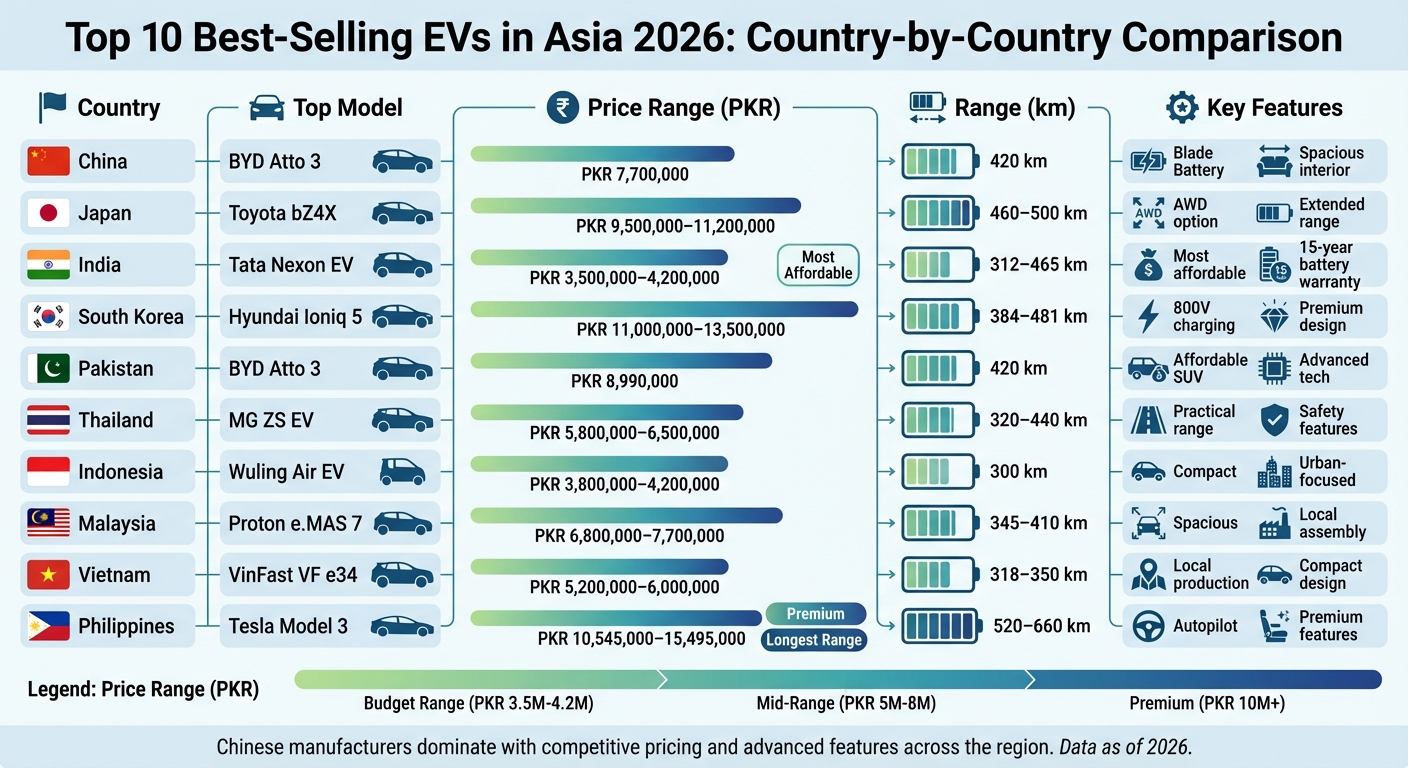
Top-Selling EVs Across 10 Asian Countries: Price, Range & Features Comparison 2026
1. BYD Atto 3 (China)
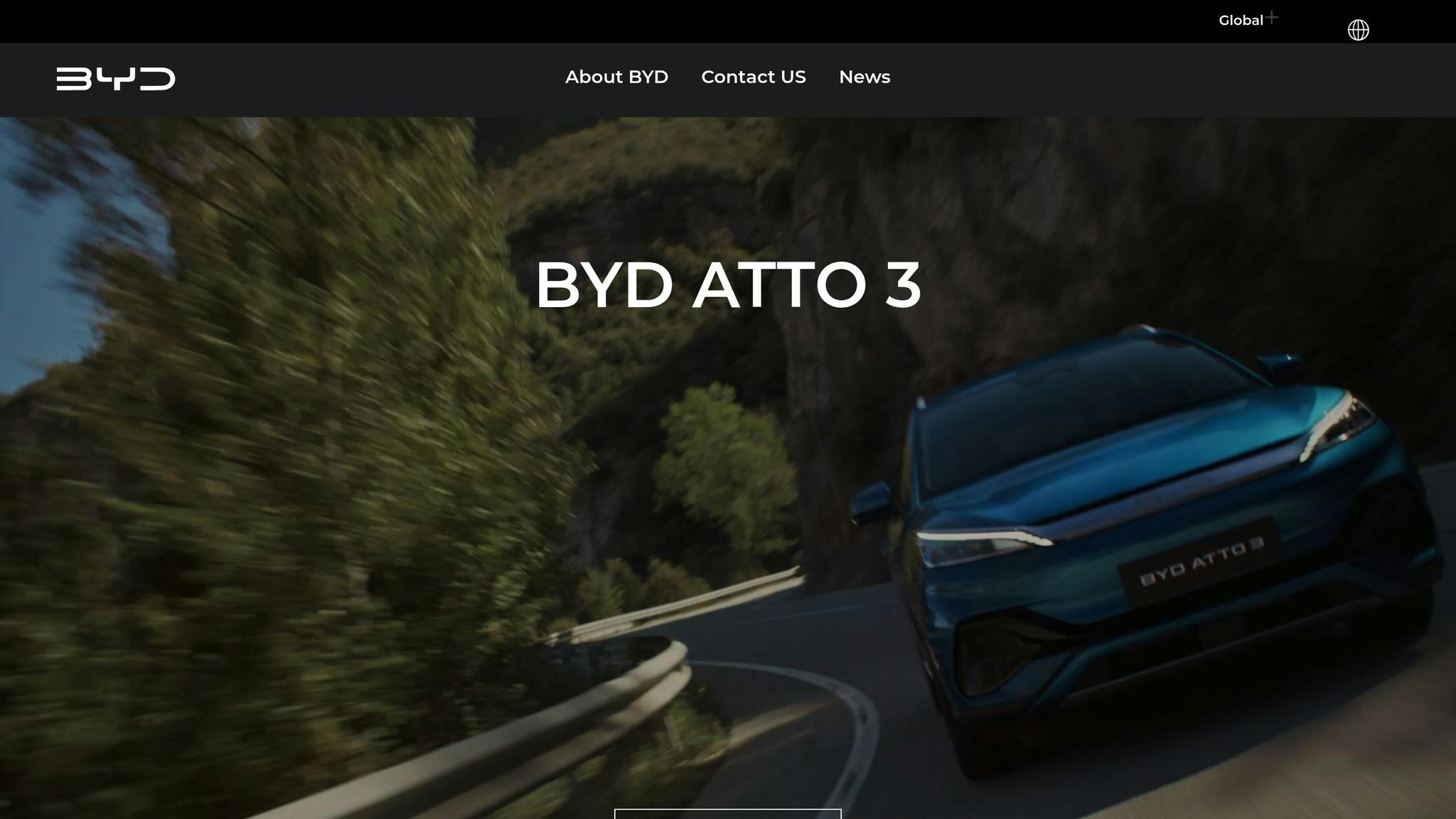
The BYD Atto 3, known as the BYD Yuan PLUS in its home market, highlights China’s leadership in the electric vehicle (EV) sector. By early 2026, BYD had surpassed Tesla to become the world’s top EV seller, achieving an impressive 2.25 million battery-powered car sales in 2025. This milestone underscores the brand’s stronghold in China, where it commanded a notable 12.25% market share as of December 2025. The Atto 3 stands as a testament to BYD’s market success and advanced engineering.
Range (km)
Designed for urban and suburban journeys, the Yuan PLUS delivers a range tailored to these needs. Built on BYD’s e-Platform 3.0, it prioritises electric performance while enhancing ride comfort and handling.
Price (local currency/PKR equivalent)
The Yuan PLUS offers a compelling balance of affordability and advanced features, making it an attractive choice for budget-conscious buyers in China.
Market Appeal
The Yuan PLUS is celebrated for its "value-for-money" proposition, offering a spacious interior, advanced safety features, and cutting-edge onboard technology. These qualities have resonated with consumers, as evidenced by BYD’s domestic retail sales of 273,133 units across all models in December 2025 alone. Additionally, nine BYD vehicles secured spots in China’s top 20 best-selling New Energy Vehicles for 2025.
Key Features
Equipped with BYD’s Blade Battery technology and e-Platform 3.0, the Atto 3 ensures enhanced safety, greater energy capacity, and improved handling, making it ideal for urban and suburban driving.
2. Toyota bZ4X (Japan)
The Toyota bZ4X made waves in Japan’s electric vehicle market by becoming the top-selling EV for the first time during the October–December 2025 quarter. This milestone is especially noteworthy in a market traditionally dominated by compact "kei" minivehicles like the Nissan Sakura. It also highlights Toyota’s determined push towards electrification in its home country. After undergoing a strategic revamp, the bZ4X was upgraded with better specifications, boosting its performance and appeal.
Range (km)
In October 2025, after receiving a partial redesign, the bZ4X achieved a maximum cruising range of 746 kilometres on a single charge. This impressive range is the longest among all electric models released by domestic Japanese automakers as of early 2026. Such a feature made it an attractive choice for both city commutes and longer road trips.
Price (local currency/PKR equivalent)
To encourage adoption, Toyota positioned the bZ4X as a premium SUV and included a one-year free vehicle-charging service membership with every purchase. This move not only reduced the initial barriers for potential buyers but also reinforced the vehicle’s premium image.
Market Appeal
During the October–December 2025 period, the bZ4X sold 3,448 units in Japan, marking a staggering 22-fold increase compared to the same period in 2024. It even outpaced competitors like the Honda N-ONE e: (2,732 units) and the Nissan Sakura (1,895 units). Buyers were drawn to its extended range, the added value of the charging incentive, and Toyota’s trusted reputation for reliability and practicality.
Key Features
The October 2025 remodel played a pivotal role in the bZ4X’s rising popularity. Key upgrades included advanced battery management systems and improved aerodynamics, both of which enhanced efficiency and driving performance.
3. Tata Nexon EV (India)
In 2025, Tata Motors sold an impressive 70,004 electric vehicles, capturing a 39.62% market share. Among these, the Nexon EV stood out as a key contributor, with November 2025 sales alone hitting 6,153 units, accounting for 41% of the market share. Here’s an overview of its range, pricing, and standout features.
Range (km)
The Nexon EV comes with two battery options tailored to different needs. The 30kWh Medium Range variant is ideal for urban commuting, while the 45kWh battery pack offers a range of 489 kilometres under MIDC testing conditions. Notably, the 45kWh version replaced the older 40.5kWh Long Range model in February 2025.
Price (INR/PKR Equivalent)
Pricing for the Nexon EV ranges from ₹13.27 lakh to ₹18.52 lakh (on-road, Delhi). Converted to Pakistani Rupees, this is approximately PKR 4,445,000 to PKR 6,204,000, based on January 2026 exchange rates.
Market Appeal
Tata Motors took a bold step in July 2025 by introducing a 15-year battery warranty, adding to the Nexon EV’s existing appeal. The vehicle also maintains its 5-star BNCAP safety rating, which was extended to the 45kWh variants in 2025. For tech-savvy buyers, higher trims offer Level 2 ADAS, a 360-degree camera, and ventilated seats, making it a well-rounded option.
Key Features
In September 2025, Tata enhanced the Nexon EV by including Advanced Driver Assistance Systems (ADAS). Special editions like the "Dark" and "Red Dark" variants bring a touch of premium styling to the lineup. Moreover, the Nexon EV earned an 8/10 rating from Autocar India, which highlighted the "Fearless MR" variant as an excellent balance of features and pricing.
4. Hyundai Ioniq 5 (South Korea)

Hyundai has firmly established itself as a leader in South Korea’s electric vehicle (EV) market, with the Ioniq 5 standing as a central figure in its success. In 2024 alone, Hyundai sold 120,000 battery-powered EVs, bringing the country’s total EV fleet to approximately 500,000 units.
Range (km)
Equipped with an 84kWh battery for the 2026 model year, the Ioniq 5 offers impressive range options depending on the configuration. The base rear-wheel-drive (RWD) model with 19-inch wheels achieves 570 km, while the 20-inch variant delivers 530 km. The all-wheel-drive (AWD) version offers 495 km, and the high-performance Ioniq 5 N provides a range of 448 km.
Price (Local Currency/PKR Equivalent)
Pricing for the 2026 Ioniq 5 starts at AUD 76,200 for the base RWD model, which translates to around PKR 14,100,000 as of January 2026 exchange rates. The Elite trim is available for AUD 81,200 (approximately PKR 15,000,000), while the top-tier Ioniq 5 N is priced at AUD 115,000, roughly PKR 21,300,000. These prices, combined with government incentives, make the Ioniq 5 a strong contender in the market.
Market Appeal
South Korea’s EV market is bolstered by initiatives like the ‘Green Car’ programme and the Hydrogen Economy Roadmap, which provide subsidies and improve EV infrastructure. The Ioniq 5 has earned a five-star ANCAP safety rating, scoring 88% in adult occupant protection and 89% in safety assist features during 2021 testing. While South Korean consumers are increasingly eco-conscious, challenges such as high vehicle costs and limited charging stations still pose obstacles.
Key Features
The 2026 Ioniq 5 comes packed with advanced features, including a heat pump, battery conditioning, and Vehicle-to-Load (V2L) outlets. It also boasts a 12.3-inch dual-screen setup with wireless Apple CarPlay and Android Auto. Its 800V fast-charging capability ensures quick charging times, and the new Digital Key 2.0 enables smartphone-based entry and ignition. These features highlight the Ioniq 5’s role in advancing South Korea’s EV landscape.
5. BYD Atto 3 (Pakistan)
The BYD Atto 3 has quickly become Pakistan’s most affordable electric SUV, distributed by MMC. In 2025, EV sales in the country jumped by 64%, with the Atto 3 appealing to urban drivers thanks to its attractive pricing, especially amid rising fuel costs and growing concerns about air quality and emissions. This highlights Pakistan’s steady shift towards cleaner transportation options.
Range (km)
When it comes to practicality, the Atto 3 offers a solid range of 410 km from its 49.9 kWh battery pack, making it a reliable choice for daily commutes and longer weekend drives between major cities in Pakistan. It also supports fast DC charging, allowing the battery to go from 30% to 80% in just 30 minutes. However, under typical driving conditions, the range tends to be closer to 350 km.
Pricing
The BYD Atto 3 Advance is priced at PKR 8,990,000 (ex-factory), making it a more affordable alternative to higher-priced options like the MG ZS EV and Hyundai Ioniq 5. BYD’s plans to begin local assembly in 2026 are expected to bring prices down further by reducing import duties. For those exploring used options, prices start at around PKR 8,500,000.
Market Appeal
Pakistan’s EV infrastructure is steadily growing, with over 20 public charging stations operational in major cities by the end of 2025. Additionally, Chinese companies have announced plans to install 3,000 charging stations nationwide by 2030. The Atto 3 has been well-received, earning a 4.0 out of 5.0 rating on PakWheels. Drivers have praised its refined interior and smooth ride experience. Its advanced Blade Battery technology, known for passing rigorous nail penetration safety tests, offers peace of mind and an impressive lifespan of over 1 million miles.
Key Features
The Atto 3 comes equipped with a 15.6-inch rotating touchscreen that supports both landscape and portrait orientations. It also features wireless Apple CarPlay and Android Auto compatibility. Other highlights include a panoramic sunroof, an electric tailgate, and a PM2.5 air filter to enhance cabin air quality. Performance-wise, the vehicle accelerates from 0 to 100 km/h in 7.9 seconds, thanks to its motor producing 201 hp and 310 Nm of torque.
6. MG ZS EV (Thailand)
Thailand’s electric vehicle (EV) market has been buzzing with activity, and the MG ZS EV has managed to carve out a prominent spot. As of April 2024, it ranks as the second most registered electric car in the country, just behind BYD. With Thailand aiming for 100% battery electric vehicle sales by 2035, the MG ZS EV’s growing popularity is a testament to its appeal. In November 2025, retail sales soared by 64.1% year-on-year, reaching 2,220 units.
Range (km)
The MG ZS EV is powered by a 50.3 kWh battery pack, delivering an impressive range of 403 km on a single charge. This range aligns perfectly with the preferences of Thai consumers, who typically look for EVs with a range between 300 and 499 km. Offering 177 hp and 280 Nm of torque, it significantly outperforms comparable hybrids, which usually offer around 106 hp. Despite its superior performance, the MG ZS EV comes at a more competitive price point.
Pricing
The MG ZS EV is priced to attract a wide range of buyers. The base D variant is available for ฿829,900 (around PKR 6,846,675), while the X and 100th SE variants cost ฿899,900 (approximately PKR 7,424,175). These prices make it more affordable than rivals like the Honda HR-V e:HEV and Mazda CX-30. Buyers in Thailand can also take advantage of promotional offers, including a ฿166,000 down payment and monthly instalments of ฿14,269 over 60 months. Combined with government incentives, these prices make the ZS EV an attractive option.
Market Appeal
The MG ZS EV’s success is bolstered by strong government policies, such as excise tax exemptions and subsidies. Interestingly, the average price of a battery electric vehicle in Thailand has now reached parity with traditional internal combustion engine vehicles. Chinese imports, including MG, dominate the Thai EV market, accounting for 85% of all electric car sales as of 2024. This growth mirrors a nearly 50% increase in EV sales across Southeast Asia during the same year. Additionally, MG has met all production compensation requirements under Thailand’s EV 3.0 incentive scheme, further strengthening its position in the market.
Key Features
The MG ZS EV is packed with features that appeal to tech-savvy and safety-conscious buyers. It includes a 10-inch touchscreen with Apple CarPlay, i-SMART voice control, and wireless charging. Safety features are robust across all variants, with Traction Control, LaneWatch/Blind Spot Monitoring, Rear Cross Traffic Alert, Hill Start Assist, and an Emergency Stop Signal included as standard. The X variant ups the ante with a panoramic sunroof and a 360-degree multi-view camera. Thai users have praised the vehicle for its dependable 403 km range, comprehensive safety features, comfortable seating, and overall performance.
sbb-itb-5f05a6f
7. Wuling Air EV (Indonesia)
Indonesia’s electric vehicle (EV) market is on a strong upward trajectory. Between January and October 2025, the Wuling Air EV recorded 3,199 wholesale units, with 471 units sold in March alone. SAIC, the company behind Wuling, held a 31.6% share of Indonesia’s battery electric vehicle (BEV) market from 2020 to mid-2025.
Range (km)
Designed with urban commuting in mind, the Wuling Air EV offers a range of 200–300 km, depending on the variant. The Lite 200 model is equipped with a 17.3 kWh battery, delivering a 200 km range. Meanwhile, the Lite 300 and Pro 300 variants feature a 26.7 kWh battery, extending the range to 300 km. This compact four-seater generates 40 hp and 110 Nm of torque. Charging is practical too, with fast charging taking approximately 8.5 hours to go from 0 to 100%.
Pricing
Affordability is a major selling point for the Air EV. The Lite 200 starts at Rp 214 million (around PKR 3,852,000), the Lite 300 is priced at Rp 251 million (around PKR 4,518,000), and the Pro 300 comes in at Rp 307.5 million (around PKR 5,535,000). These competitive prices make the Air EV an appealing choice for first-time EV buyers and households looking for a second car for city use.
Market Appeal
By producing the Air EV locally, Wuling has managed to keep costs down, securing a 14% share of Indonesia’s national BEV wholesale market from January to August 2025. While it faces competition from larger Chinese EVs, the overall market saw impressive growth, reaching 69,146 units between January and October 2025.
Key Features
The Wuling Air EV is packed with features that enhance its practicality and safety for urban driving. Standard offerings include regenerative braking, voice control, a touchscreen infotainment system, and keyless entry. For safety, it includes ABS, EBD, and ISOFIX child seat mounts, with the Pro 300 variant adding passenger airbags and vehicle stability control. Its compact dimensions – measuring 2,974 mm in length and 1,505 mm in width – make it perfectly suited for navigating city streets.
8. Proton e.MAS 7 (Malaysia)
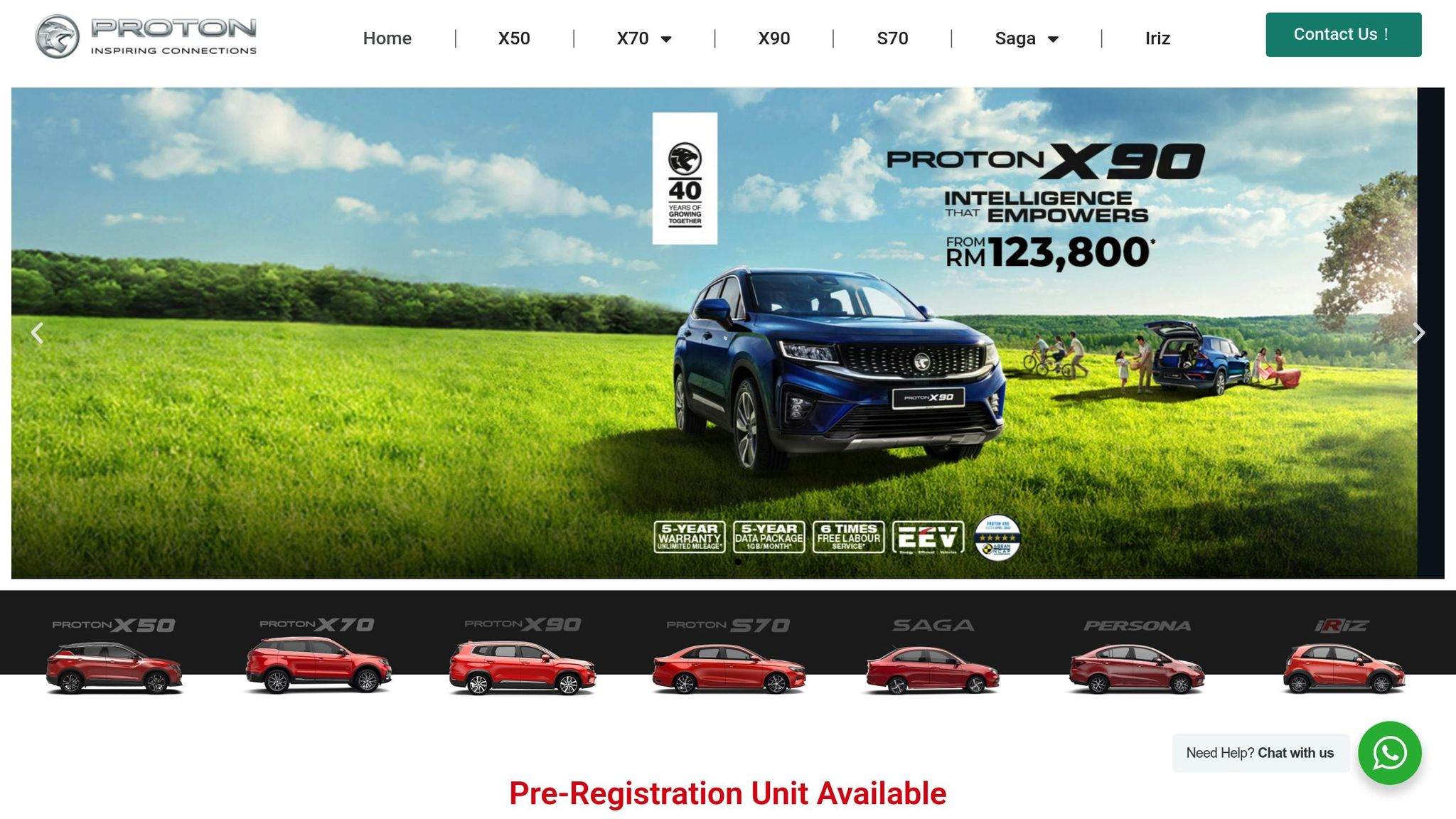
In 2025, the Proton e.MAS 7 dominated Malaysia’s electric vehicle (EV) market, leading sales for ten straight months. By November, it had delivered 7,740 units, securing an estimated 30% market share.
Range (km)
The e.MAS 7 comes in two variants, each with distinct battery capacities to suit different needs. The Prime variant, equipped with a 49.52 kWh battery, offers a WLTP range of 345 km. Meanwhile, the Premium variant steps it up with a 60.22 kWh battery, extending the range to 410 km. Both versions are powered by a single motor that delivers 218 hp and 320 Nm of torque. The AEGIS Short Blade Battery has undergone the rigorous "Six Extremes" serial test, proving its durability against extreme heat, saltwater corrosion, and side collisions.
Pricing
The Prime variant is priced at RM 109,800 (PKR 7,027,000), while the Premium variant costs RM 123,800 (PKR 7,923,000). In January 2026, a locally assembled CKD version was introduced at a more affordable price of RM 99,800 (PKR 6,387,000).
Market Appeal
Zhang Qiang, CEO of PRO-NET, highlighted the company’s vision:
Our goal is not just to sell cars. We want to nurture a complete ecosystem including 36 dealerships with DC charging and after-sales service, plus a nationwide EV charging network.
This comprehensive approach allows e.MAS 7 users access to over 2,300 public charging points, covering more than 90% of Malaysia’s EV infrastructure through the Proton e.MAS App. Buyers have praised the e.MAS 7 for its affordability, spacious interior with generous luggage space, and cutting-edge technology.
Key Features
Beyond its strong market presence, the e.MAS 7 stands out with thoughtful design and advanced features. Its long wheelbase ensures a roomy cabin, complemented by 33 storage compartments designed for everyday convenience. The vehicle’s infotainment system runs on the Flyme Auto 1.2.0 operating system, delivering a seamless digital experience. Additionally, the integrated charging app simplifies EV ownership by combining multiple Charging Point Operators – such as Gentari, JomCharge, and chargEV – into one platform for easier payments and navigation.
9. VinFast VF e34 (Vietnam)
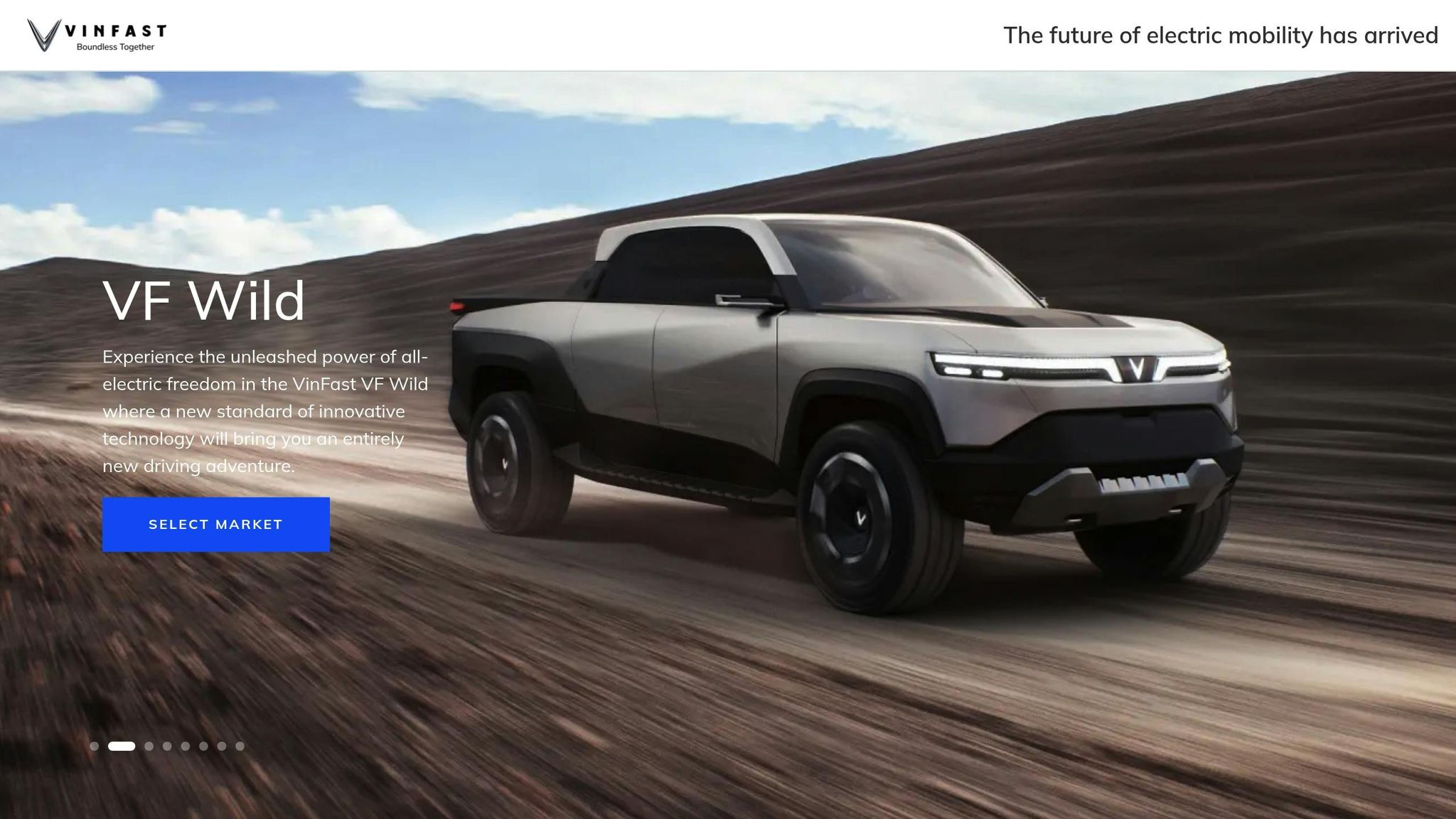
VinFast made waves in 2025 by delivering an impressive 175,099 electric vehicles, holding onto its title as Vietnam’s top-selling EV brand for 15 straight months. The VF e34, in particular, has been a standout performer, even clinching the title of Vietnam’s best-selling vehicle in April 2023 with a 7.6% market share. These milestones highlight the brand’s growing influence and strategic grip on the market.
Market Appeal
VinFast’s success isn’t just about selling cars; it’s about creating a whole ecosystem. A big chunk of their sales comes from their electric taxi service, GSM (Xanh SM), which has become a key driver of demand for their compact EVs. Plus, being part of the larger Vingroup network gives VF e34 owners added perks. From Vinhomes residential complexes to Vincom malls and Vinpearl resorts, customers enjoy a seamless experience across the group’s offerings.
Key Features
The VF e34 stands out with exclusive access to Vingroup’s extensive charging network, offering convenient options at both residential and commercial locations. Its compact design is perfect for Vietnam’s bustling cities, where tight parking spaces and easy manoeuvrability are must-haves for both daily commuters and taxi operators. This approach aligns with the broader trend in Asia, where integrated EV ecosystems are becoming the norm, catering to the needs of urban environments.
10. Tesla Model 3 (Philippines)
Tesla holds a commanding presence in the Philippine BEV market, boasting over 50% market share as of August 2025. The 2026 Model 3, launched in October 2025, sticks to its entry-level pricing while introducing upgraded features and an extended driving range.
Range (km)
The 2026 Model 3 is available in three variants to suit different preferences:
- Standard RWD: 520 km
- Performance AWD: 571 km
- Long Range AWD: 660 km
The Long Range AWD, in particular, is perfect for those living or traveling outside Metro Manila.
Price (local currency/PKR equivalent)
Tesla Philippines has managed to keep its pricing competitive, offering enhanced features and range without increasing costs.
- Standard RWD: ₱2,109,000 (around PKR 10,545,000)
- Long Range AWD: ₱2,489,000 (around PKR 12,445,000)
- Performance AWD: ₱3,099,000 (around PKR 15,495,000)
Market Appeal
Tesla’s focus on cutting-edge technology and eco-friendly transportation has made it a favourite among affluent early adopters. To address range concerns, the company has strategically set up 11 Supercharger stations, with 10 located in Metro Manila and one in Antipolo, Rizal. Ira Panganiban from Autocar Philippines highlights this trend:
Tesla’s strong BEV numbers suggest that early adopters are ready to take the leap into full electric.
Key Features
The 2026 Model 3 update introduces several thoughtful improvements that enhance both safety and convenience. Key upgrades include:
- A front-facing camera to assist with parking and manoeuvring.
- An autopilot system powered by eight cameras for enhanced driving support.
- A return to a traditional turn signal stalk, replacing the steering wheel buttons for a more intuitive driving experience.
- Matte black Tesla emblems on the front and rear, adding a sleek and polished look.
These updates help the Model 3 maintain its reputation as a leader in electric mobility, offering a blend of practicality, style, and advanced technology that continues to win over the Philippine market.
Price and Performance Comparison
The Asian EV market in 2026 highlights a clear divide between budget-friendly options from Southeast Asia and premium offerings from East Asia. Entry-level models like the Wuling Air EV and Tata Nexon EV cater to cost-conscious buyers, with prices ranging between PKR 3.5 million and PKR 4.2 million. On the other hand, high-end models such as the Tesla Model 3 and Hyundai Ioniq 5 sit in the PKR 10.5 million to PKR 15.5 million price bracket, appealing to those seeking advanced features and superior performance.
When it comes to range, this price gap is equally evident. Affordable EVs typically offer ranges between 300 and 485 km, making them ideal for daily urban commutes. Premium models, however, extend their range to 500–660 km, catering to longer trips. For instance, the Tesla Model 3 Long Range AWD boasts an impressive 660 km range, while the more budget-friendly BYD Atto 3 delivers a solid 420 km range, balancing performance and cost.
Chinese manufacturers have significantly influenced the market by streamlining development cycles. Their vertical integration strategies have reduced production timelines from the traditional 5–7 years to just 12–18 months. This efficiency allows brands like BYD and Proton to offer vehicles with advanced safety features, spacious interiors, and practical ranges – all at competitive prices. In Malaysia, for example, 15 of the top 20 models in October 2025 were produced by Chinese brands.
Premium EVs justify their higher price tags with enhanced power and cutting-edge technology. Dual-motor configurations deliver 530–646 hp, while 800-volt charging systems and seamless integration with personal devices add convenience.
Below is a detailed comparison of EVs across various Asian markets:
| Country | Top Model | Price Range (PKR) | Range (km) | Key Features |
|---|---|---|---|---|
| China | BYD Atto 3 | 7,700,000 | 420 | Blade Battery, 204 PS |
| Japan | Toyota bZ4X | 9,500,000–11,200,000 | 460–500 | AWD option, Toyota reliability |
| India | Tata Nexon EV | 3,500,000–4,200,000 | 312–465 | Affordable, spacious |
| South Korea | Hyundai Ioniq 5 | 11,000,000–13,500,000 | 384–481 | 800V charging, futuristic design |
| Pakistan | BYD Atto 3 | 7,700,000 | 420 | Blade Battery, 204 PS |
| Thailand | MG ZS EV | 5,800,000–6,500,000 | 320–440 | Value pricing, practical range |
| Indonesia | Wuling Air EV | 3,800,000–4,200,000 | 300 | Compact, urban-focused |
| Malaysia | Proton e.Mas 7 | 6,800,000–7,700,000 | 345–410 | 218 hp motor, spacious cabin |
| Vietnam | VinFast VF e34 | 5,200,000–6,000,000 | 318–350 | Local production |
| Philippines | Tesla Model 3 | 10,545,000–15,495,000 | 520–660 | Autopilot, Supercharger network |
Conclusion
The 2026 Asian electric vehicle (EV) market paints a vivid picture of transformation, largely driven by Chinese manufacturers. In China alone, 18 of the top 20 best-selling new energy vehicle (NEV) models come from Chinese brands. This dominance isn’t confined to China; it’s mirrored in Southeast Asia, where Chinese brands claim 15 of Malaysia’s top 20 models, with BYD leading the charge. A mix of competitive pricing and advanced features – like intelligent cockpits and driver-assistance systems – has shifted these technologies from luxury perks to standard offerings. These trends are reshaping the market and influencing policy outcomes.
Government policies have played a pivotal role in accelerating EV adoption across the region. China, for instance, achieved an impressive 59% EV penetration by December 2025, thanks to financial incentives and manufacturer subsidies. Meanwhile, Malaysia saw a surge in registrations as buyers rushed to take advantage of import duty exemptions before their expiration on 31 December 2025. Looking ahead, China’s new subsidy formula for 2026, which ties support to vehicle pricing, is expected to reduce benefits for more affordable EVs. These policy changes are not just impacting sales figures but are also driving a growing divide between budget-friendly and premium EVs.
The market has now split into two clear segments. On one side are compact, economical EVs, which dominate lower-tier cities in China – five of the top ten best-selling battery electric vehicles (BEVs) fall into this category. On the other side are mid-to-high-end models, offering cutting-edge technology and superior performance. This segmentation highlights how factors like income levels, infrastructure, and local manufacturing influence consumer preferences more than brand loyalty. Ultimately, this divide reflects the diverse needs and realities of buyers across the region.
FAQs
What is driving the rapid growth of electric vehicles (EVs) in Asia by 2026?
The electric vehicle (EV) market in Asia is gearing up for remarkable growth by 2026, fuelled by a combination of government initiatives, technological progress, and intense market competition. Across the region, governments are stepping up with subsidies and tax breaks to make EVs more accessible. Take China and Indonesia, for example – these countries have introduced trade-in discounts and invested in infrastructure, significantly boosting EV sales.
On the technology front, advancements are making EVs more appealing. Newer models now come with improved range, reduced costs, and features designed to meet local needs. Meanwhile, local automakers like BYD and Leapmotor are shaking up the market with affordable and innovative options, giving consumers more choices. Add to that a growing awareness of environmental issues and the region’s economic growth, and it’s clear why the EV market is expanding so quickly across Asia.
What role do government policies in Asia play in the growth of electric vehicles?
Government policies across Asia are playing a key role in driving the rapid expansion of electric vehicles (EVs). Many countries in the region are offering subsidies and incentives to both consumers and manufacturers, making EVs more accessible and appealing. Take China, for instance – it’s now the largest EV market in the world, thanks to substantial government backing. This includes tax exemptions, production incentives, and significant investments in EV infrastructure.
Other nations like Singapore, Vietnam, and Thailand are also stepping up with measures such as stricter emission regulations, trade-in subsidies, and funding for EV charging networks. These efforts not only promote the adoption of EVs but also contribute to lowering environmental pollution and aligning with broader sustainability objectives. By focusing on cleaner transportation solutions, governments in Asia are making EVs a viable and attractive option for consumers, while steering the region towards a greener, more sustainable future.
What sets budget-friendly EVs apart from premium models in Asia?
The main contrasts between budget-friendly and premium electric vehicles (EVs) in Asia revolve around price, features, and technology. Budget EVs are built to be affordable and practical, offering essential features and a range that works well for daily city commutes. Think of compact models that prioritise cost-effectiveness, ideal for individuals seeking economical electric transportation.
Premium EVs, however, are a different story. They boast advanced features, extended ranges, top-tier performance, and luxurious interiors. These vehicles are designed for those who want the latest technology, greater comfort, and an elevated driving experience. Premium models often include innovations like advanced driver-assistance systems and high-quality materials, which help explain their higher price tags.
In essence, budget EVs focus on affordability and practicality, while premium options emphasise cutting-edge advancements and exclusivity, catering to the varied preferences of EV buyers across Asia.