
 sysadmin
 Turkey, a transcontinental country straddling Eastern Europe and Western Asia, is a significant player in the region’s automotive sector. With its capital in Ankara, a population of approximately 85 million people, and the Turkish Lira (TRY) as its currency, the nation presents a dynamic and growing market. The official language is Turkish, and traffic flows on the right-hand side of the road. For businesses looking to import vehicles, the main ports of entry include Ambarlı in Istanbul, as well as the ports of Izmir, Mersin, and Gemlik, which are all equipped to handle large volumes of automotive imports.
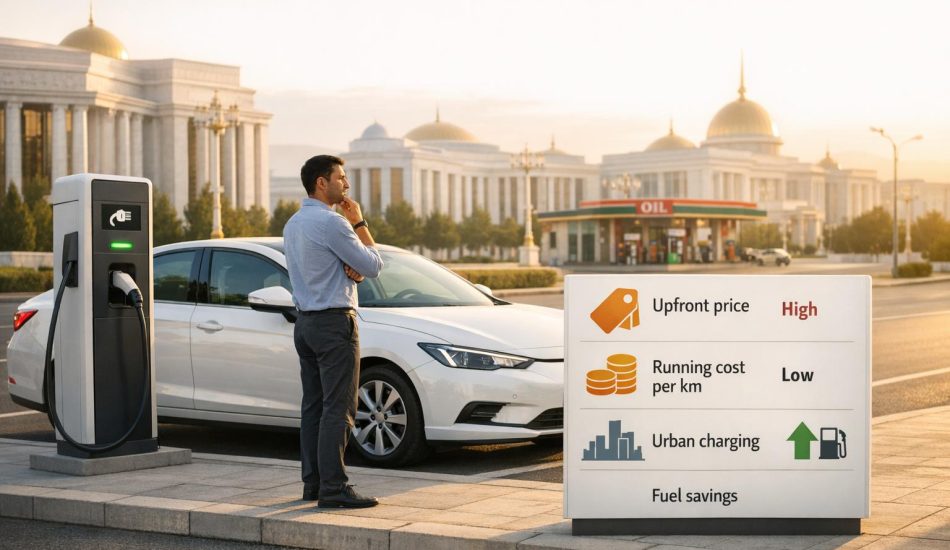
The regulatory landscape for electric vehicle (EV) importation in Turkey is characterized by a mix of duties and incentives designed to shape the market. Import duties and taxes for EVs vary significantly, ranging from 25% to 75% based on factors such as motor power and the vehicle’s price. For electric vehicles originating from non-EU countries, a tariff of 30% or a minimum of US$8,500 per vehicle is applied, whichever amount is greater. To counterbalance these costs and encourage EV adoption, the Turkish government has implemented a series of incentives, including tax reductions and subsidies. Furthermore, a substantial $5 billion package has been announced to bolster local production of electric vehicles. It is also important to note that there are age restrictions on imported vehicles, with cars older than three years generally not permitted for import, ensuring that the national fleet remains modern and compliant with environmental standards.
The Turkish EV market has been experiencing a period of remarkable growth. In the first ten months of 2024 alone, a total of 146,511 new electric vehicles were sold, a testament to the increasing consumer appetite for sustainable transportation. This surge in sales has propelled the EV market share to an impressive 21.3% as of August 2025. The market is currently led by a mix of domestic and international brands, with Turkey’s own Togg, alongside global giants Tesla and BYD, emerging as the top-selling EV brands. The Togg T10X and the Tesla Model Y have proven to be particularly popular models among Turkish consumers. The sports utility vehicle (SUV) has emerged as the most sought-after EV category, reflecting a global trend towards larger, more versatile electric vehicles.
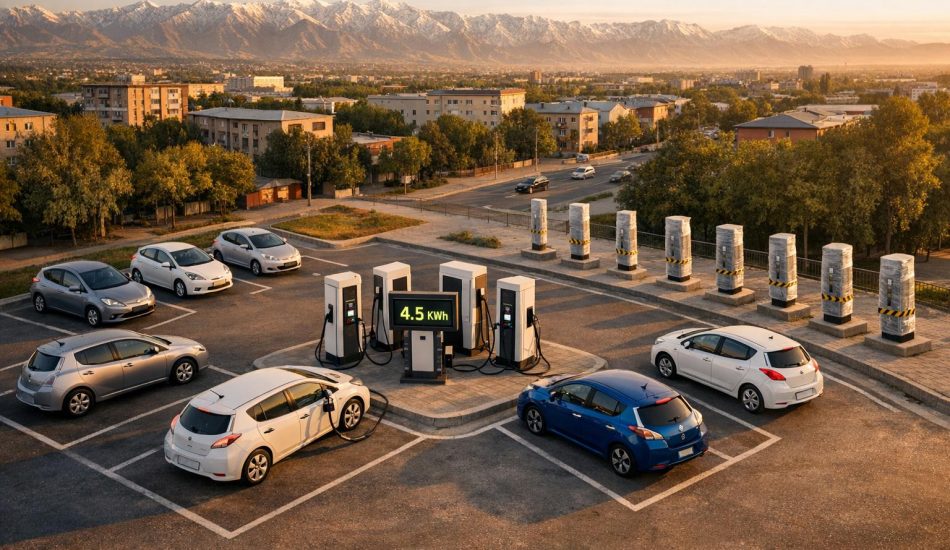
To support this burgeoning EV market, Turkey has been rapidly expanding its charging infrastructure. As of April 2025, the country boasts over 11,000 public charging stations, a number that is continuously growing. This network is composed of a significant number of both AC and DC charging options, with 19,284 AC charging sockets and 14,308 DC fast-charging sockets available as of August 2025. A diverse range of companies are operating in this space, with major charging network operators including ZES (Zorlu Enerji), Eşarj, Otojet, StarCharge, and Kempower, all contributing to the development of a comprehensive and reliable charging ecosystem across the country.
The local EV industry in Turkey is also gaining considerable momentum, with a strong focus on domestic manufacturing and production. The national car project, Togg, is at the forefront of this movement, but established international players like Ford Otosan and Hyundai are also investing in local EV production. These companies have established assembly plants in key industrial hubs, with Togg’s facility in Bursa, Ford’s in Kocaeli, and Hyundai’s in İzmit. The supply chain is further strengthened by a growing number of local charging equipment manufacturers, such as Zebra Elektronik, FFD Power, and Charge Teknoloji. The Turkish government is actively fostering this industrial growth through a variety of initiatives, including VAT reductions, reimbursements, and other financial incentives, in addition to the $3.7 billion in support specifically allocated to the Togg project.
In conclusion, the electric vehicle market in Turkey is poised for continued and significant expansion. The combination of strong consumer demand, a rapidly growing charging infrastructure, and a supportive government focused on fostering a domestic EV manufacturing ecosystem creates a highly favorable environment. For EV importers, the burgeoning market presents a wealth of opportunities. The increasing demand for a variety of EV models, from luxury sedans to affordable city cars, coupled with the ongoing need for charging equipment and related services, makes Turkey a highly attractive and promising market for investment and growth in the electric mobility sector.
© 2025 EV24.asia. All rights reserved.