
 Arka Pratama
 Indonesia, an archipelago nation in Southeast Asia, is rapidly emerging as a key player in the global electric vehicle (EV) market. With a population of over 280 million, the country presents a significant opportunity for the growth of sustainable transportation. The capital city, Jakarta, is a bustling metropolis, and the official language is Indonesian, with the Indonesian Rupiah (IDR) as the national currency. As a nation that drives on the left-hand side of the road, Indonesia’s automotive landscape is unique. For importers looking to enter this market, the main ports for vehicle importation include Tanjung Priok in Jakarta, as well as the ports of Belawan and the new Patimban port.
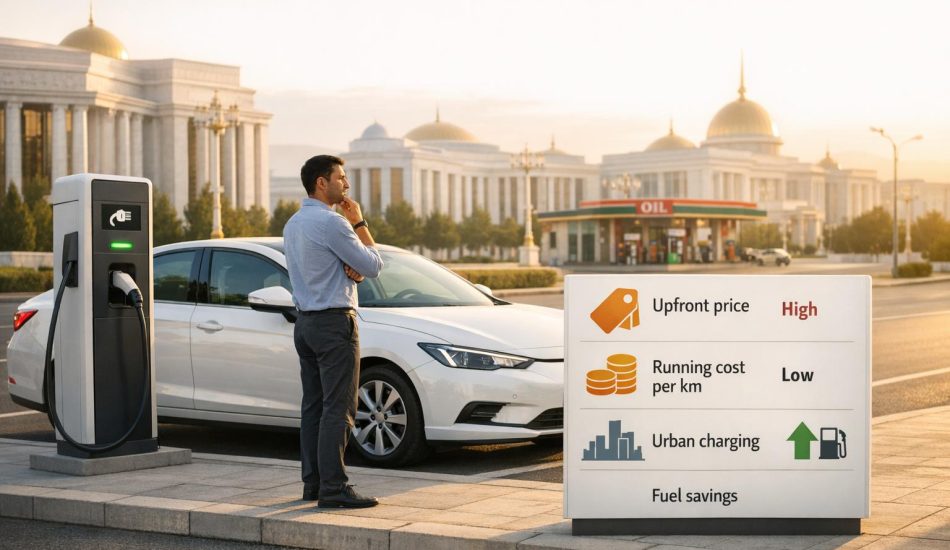
The Indonesian government has implemented a series of regulations and incentives to encourage the adoption of electric vehicles. A key policy is the elimination of import duties and luxury sales tax on fully built-up (CBU) battery electric vehicles, a measure that will remain in effect until the end of 2025. This, combined with a reduction in the value-added tax (VAT) for new electric passenger vehicles from 11% to a mere 1%, has made EVs more accessible to the Indonesian consumer. While specific vehicle age restrictions for imports are yet to be confirmed, these fiscal incentives signal a clear commitment from the government to foster a greener automotive sector.
The EV market in Indonesia has responded with remarkable growth. In 2024 alone, total EV sales reached 43,188 units, capturing a 5% share of the national car market. This surge in demand is led by a mix of international and locally-produced models. Top-selling brands include Chinese automakers BYD, with popular models like the Denza D9, M6, and Sealion 7, and Wuling, with its compact Air EV. Hyundai’s Ioniq 5 and Chery’s iCar 03 and Omoda 5 have also gained significant traction. The market shows a strong preference for 7-seater SUVs and compact cars, reflecting the diverse needs of Indonesian families and urban commuters.
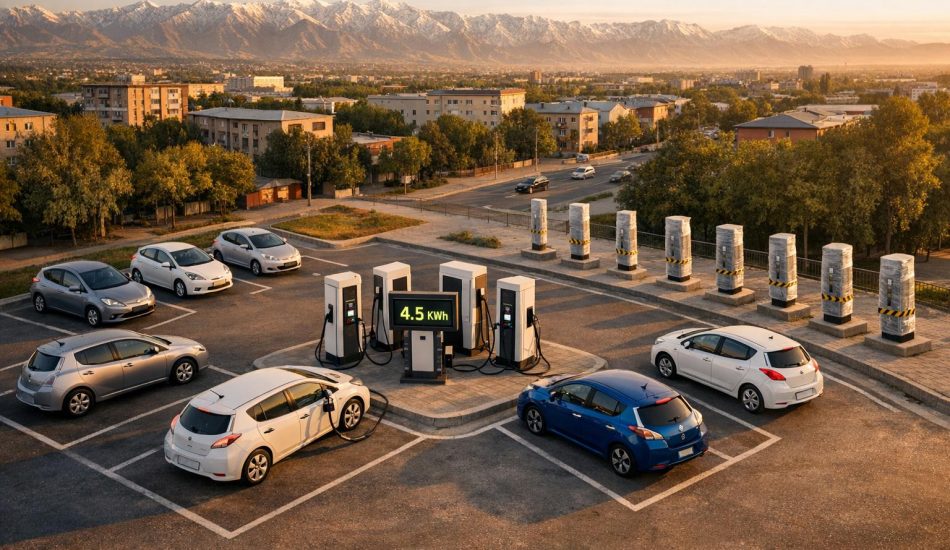
To support this growing fleet of electric vehicles, Indonesia is rapidly expanding its charging infrastructure. As of May 2025, there were 3,772 public charging stations, known locally as SPKLU (Stasiun Pengisian Kendaraan Listrik Umum), across the country. While specific numbers for AC and DC fast-charging stations are still to be confirmed, the expansion is being driven by a combination of state-owned enterprises and private companies. Major charging network operators include the state electricity company PLN, as well as private players like Voltron, V-Green, Charge.IN, SEVI Indonesia, and Terra Charge Indonesia, who are all contributing to building a comprehensive and reliable charging network.
The local EV industry is also experiencing a period of dynamic growth. The Indonesian government is actively promoting local production with incentives for manufacturers who achieve a high level of local content. This has attracted significant investment from both domestic and international players. Local manufacturing is being spearheaded by companies like Polytron and Skyworth Auto, alongside global giants such as Wuling, VinFast, BYD, and GAC Aion, who have all established or are in the process of setting up assembly plants in the country. VinFast has a facility in Subang, West Java, Polytron and Skyworth are in Purwakarta, and Wuling operates a plant in Cikarang. The government’s ambition is to produce 2.5 million battery electric vehicles annually by 2030, positioning Indonesia as a major EV manufacturing hub in the region. Information on local charging equipment manufacturers is still to be confirmed.
In conclusion, the Indonesian electric vehicle market is poised for substantial growth. The combination of a large and increasingly environmentally-conscious population, strong government support through fiscal incentives, and a rapidly developing charging and manufacturing ecosystem creates a fertile ground for the expansion of electric mobility. For EV importers, the current window of 0% import duties presents a key opportunity to establish a foothold in this burgeoning market. The outlook for the Indonesian EV sector is exceptionally bright, with the potential to become a leading force in the transition to sustainable transportation in Southeast Asia.
© 2025 EV24.asia. All rights reserved.