
 Arka Pratama
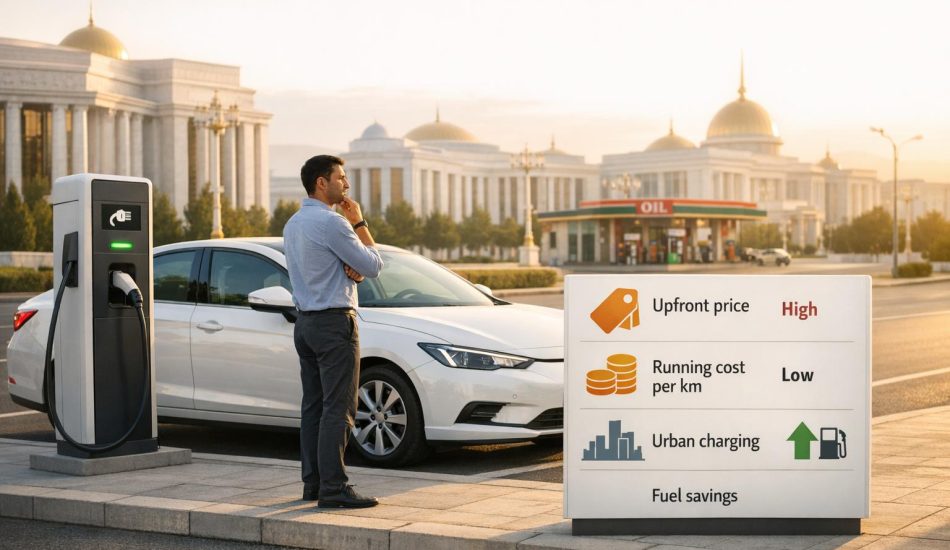
Electric SUVs are gaining traction in Pakistan, with rising fuel costs and improved charging infrastructure making them a practical choice. Here’s what you need to know:
- Affordable Running Costs: EVs cost Rs. 2–3 per km, compared to Rs. 10–15 per km for petrol vehicles.
- Growing Infrastructure: Over 100 fast-charging stations are operational along major routes, with plans for 3,000 DC fast chargers by 2030.
- Solar Integration: Many EV owners are using solar panels, reducing charging expenses by up to 60%.
This guide reviews seven electric SUVs available in Pakistan, focusing on range, price, charging speed, and performance. Options include budget-friendly models like the BYD Atto 3 (Rs. 8,990,000) and premium choices like the Tesla Model Y (Rs. 30,000,000–35,000,000). Whether you’re commuting in Karachi or planning a road trip to Murree, these SUVs cater to diverse needs.
Quick Comparison
| Model | Price (PKR) | Range (km) | Charging (DC Fast) | Performance (0–100 km/h) |
|---|---|---|---|---|
| Tesla Model Y | 30M–35M | 418–622 | 15 mins (267 km) | 3.5–5.9 secs |
| BYD Atto 3 | 8.99M | 410 | 30 mins (30–80%) | 7.9 secs |
| Hyundai Ioniq 5 | 25M | 430–480 | 18 mins (10–80%) | 5.2 secs |
| Kia EV6 | Not Available | 581–663 | 18 mins (10–80%) | 5.3 secs |
| MG ZS EV | 9.69M–15M | 320–505 | 35 mins (10–80%) | 8.2 secs |
| XPeng G6 | Not Available | 570 | Ultra-fast capable | TBD |
| Zeekr 001 | Not Available | 750 | 15 mins (500 km) | 3.3 secs |
Each model offers unique features, from budget-friendly options to high-end performance vehicles. Consider your priorities – price, range, or speed – when choosing the right electric SUV for your needs.
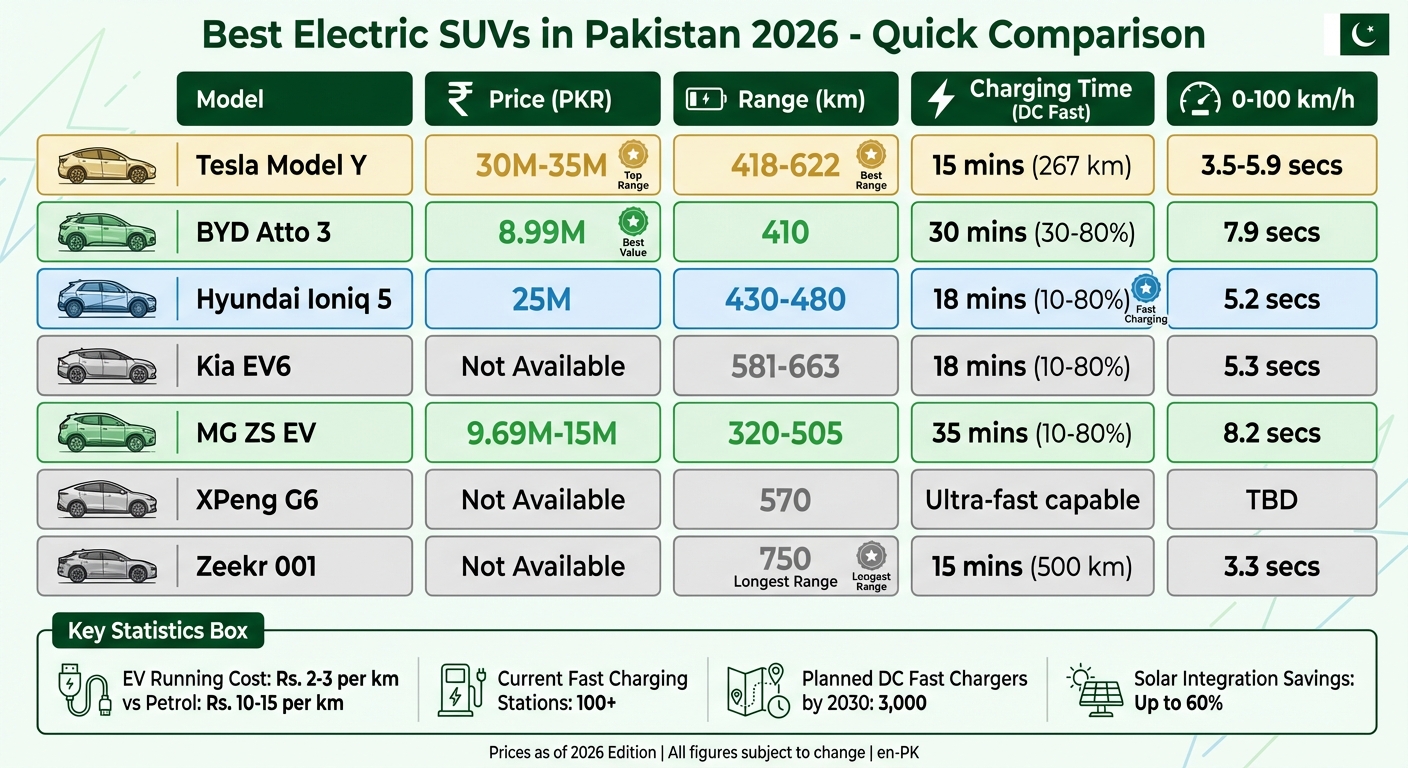
Electric SUV Comparison Chart Pakistan 2026 – Price Range Performance
Top 8 Best Family Electric SUVs from China (2026 Ranking)
1. Tesla Model Y
The Tesla Model Y stands out as a premium electric SUV in Pakistan, with prices ranging from PKR 30,000,000 to PKR 35,000,000, depending on the variant. Buyers can choose from three configurations: the Standard Range priced at PKR 30,000,000, the Long Range at PKR 33,000,000, and the Performance variant at PKR 35,000,000. While its price is notably higher than competitors like the Hyundai Ioniq 5, it reflects Tesla’s advanced engineering and performance capabilities. With its impressive range, strong performance, and compatibility with charging networks, the Model Y is a compelling option for EV enthusiasts.
Range (km)
The Model Y delivers impressive range figures across its variants. The Standard Range offers 418 km, the Long Range reaches 514 km, and the Performance variant provides a range between 450–487 km. According to WLTP testing, the base model achieves 500 km, while the Long Range surpasses it at 622 km. Under CLTC testing, the Long Range AWD variant even hits 719 km. These numbers highlight the Model Y’s capabilities, placing it in close competition with alternatives like the Hyundai Ioniq 5.
Pricing (PKR)
| Variant | Price (PKR) | Range (km) | Horsepower |
|---|---|---|---|
| Standard Range | 30,000,000 | 418 | 220 hp |
| Long Range | 33,000,000 | 514 | 254 hp |
| Performance | 35,000,000 | 450–487 | 534 hp |
Performance (0-100 km/h)
When it comes to acceleration, the Model Y doesn’t disappoint. The Performance variant accelerates from 0-100 km/h in a blistering 3.5 seconds. The Long Range RWD variant completes the same sprint in a respectable 5.6 to 5.9 seconds. Even the Standard Range model delivers enough punch for smooth highway overtaking and agile city driving.
Charging Infrastructure Compatibility
The Model Y is equipped with CCS2 charging standards, making it compatible with Pakistan’s expanding public EV charging network and Tesla’s exclusive Supercharger stations. At a Supercharger, the car can gain up to 267 km of range in just 15 minutes, thanks to its peak charging speed of 250 kW. For home charging, a full charge cycle takes about 8 hours. Additionally, the 2025 facelift introduces a reduced drag coefficient of 0.22, improving efficiency and minimising wind noise during highway travel. Tesla’s growing regional presence, marked by the opening of its first South Asian showroom in Mumbai in July 2025, further solidifies the Model Y’s appeal as a top-tier electric vehicle in Pakistan.
2. BYD Atto 3
In Pakistan’s growing EV market, the BYD Atto 3 stands out as a balanced choice, blending modern features with efficiency. Priced at PKR 8,990,000 for the Advance variant, it offers a solid mid-range option. Built on BYD’s e-Platform 3.0 and featuring the Blade Battery technology, the Atto 3 combines affordability with advanced safety and reliability. With a 4.0/5.0 rating on PakWheels, users have highlighted its futuristic interior and impressive safety features. Let’s take a closer look at its range and performance.
Range (km)
The Advance variant of the Atto 3 provides a driving range of 410 km on a single charge, powered by a 49.92 kWh battery pack. This makes it a dependable option for daily commutes and intercity trips. The Blade Battery, known for its durability, has passed rigorous safety tests and can withstand over 30,000 charging cycles. This ensures long-term reliability for various driving needs.
Pricing (PKR)
| Variant | Price (PKR) | Range (km) | Horsepower |
|---|---|---|---|
| Advance | 8,990,000 | 410 | 201 hp |
Financing options are available, starting at monthly instalments of PKR 62,657 to PKR 65,071, making it accessible to a broader audience.
Performance (0-100 km/h)
The BYD Atto 3 delivers a solid performance, accelerating from 0 to 100 km/h in 7.9 seconds. Its motor generates 201 hp and 310 Nm of torque, providing smooth and responsive handling in both city and highway conditions. With a top speed of 160 km/h, it’s well-suited for Pakistan’s road network. Additional features include a 15.6-inch rotating infotainment display and a Vehicle-to-Load (V2L) system, which allows the car to function as a 2.2 kW portable power station.
Charging Infrastructure Compatibility
The Atto 3 supports the CCS2 fast-charging standard, aligning well with Pakistan’s growing EV infrastructure. Using a DC fast charger, the battery can charge from 30% to 80% in just 30 minutes, while a 7 kW AC charger takes 7–10 hours for a full charge. Fast-charging points are being installed along the Lahore–Islamabad motorway at intervals of 150–200 km, further enhancing convenience for intercity travel. However, buyers should note that charging facilities outside major cities are still limited, and spare parts availability remains a concern.
3. Hyundai Ioniq 5
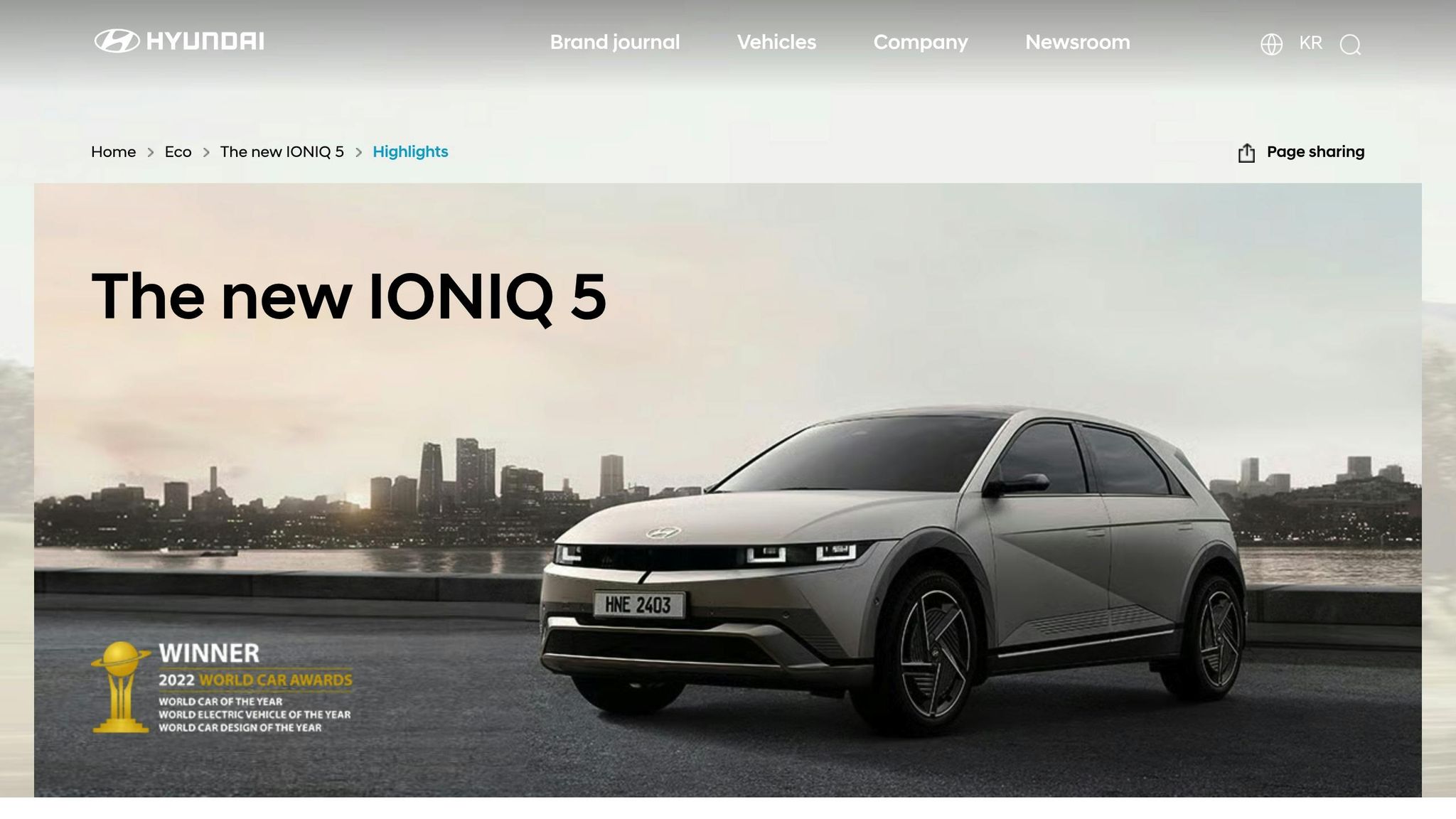
The Hyundai Ioniq 5 has quickly become a standout in Pakistan’s EV market, offering a blend of cutting-edge design and advanced features. With an ex-factory price of PKR 24,999,000, it’s a more affordable option compared to the Tesla Model Y, which is priced between PKR 30,000,000 and PKR 35,000,000. Globally, it has received accolades like World Car of the Year 2022 and World Electric Vehicle of the Year 2022. On PakWheels, it boasts a perfect 5.0/5.0 rating, with users praising its sleek design and impressive performance, especially on hilly terrain. One of its most striking features is the 800V ultra-fast charging system, which makes it the fastest-charging EV in Pakistan.
Range (km)
The Ioniq 5 delivers a practical driving range of 430 km to 480 km on a single charge, thanks to its 72.6 kWh lithium-ion battery. With a motor generating 305 hp, it offers smooth acceleration and a top speed of 200 km/h. Practicality is further enhanced by a spacious 770-litre boot and a ground clearance of 170 mm, making it well-suited for various road conditions.
Pricing (PKR)
| Variant | Price (PKR) | Range (km) | Horsepower |
|---|---|---|---|
| Standard | 24,999,000 | 430–480 | 305 hp |
For those considering financing, monthly instalments start at approximately PKR 60,316, making ownership more manageable.
Performance (0–100 km/h)
The Ioniq 5 is no slouch when it comes to performance, achieving 0 to 100 km/h in just 5.2 seconds. Inside, it features dual 12.3-inch digital displays and advanced driver-assistance systems like Blind-Spot Collision-Avoidance Assist and Lane Keep Assist. Another standout feature is its Vehicle-to-Load (V2L) technology, which allows the car to power external devices up to 1.9 kW, making it a versatile option for outdoor activities or emergencies.
Charging Infrastructure Compatibility
The Ioniq 5’s 800V architecture enables ultra-fast charging, going from 10% to 80% in just 18 minutes using a 350 kW DC charger. This charging speed outpaces competitors like the BYD Atto 3, which takes around 30 minutes for a similar charge. It’s an excellent choice for motorway trips, such as those between Lahore and Islamabad. The car is compatible with Pakistan’s growing charging network, supporting Type 2 (AC) and CCS Combo 2 (DC) ports. For home charging, a Level 2 AC charger completes a full charge in about 8 hours. Public charging options are expanding, with over 20 fast chargers now available nationwide, including a 120 kW DC station in Islamabad and Shell Recharge stations in Karachi.
4. Kia EV6
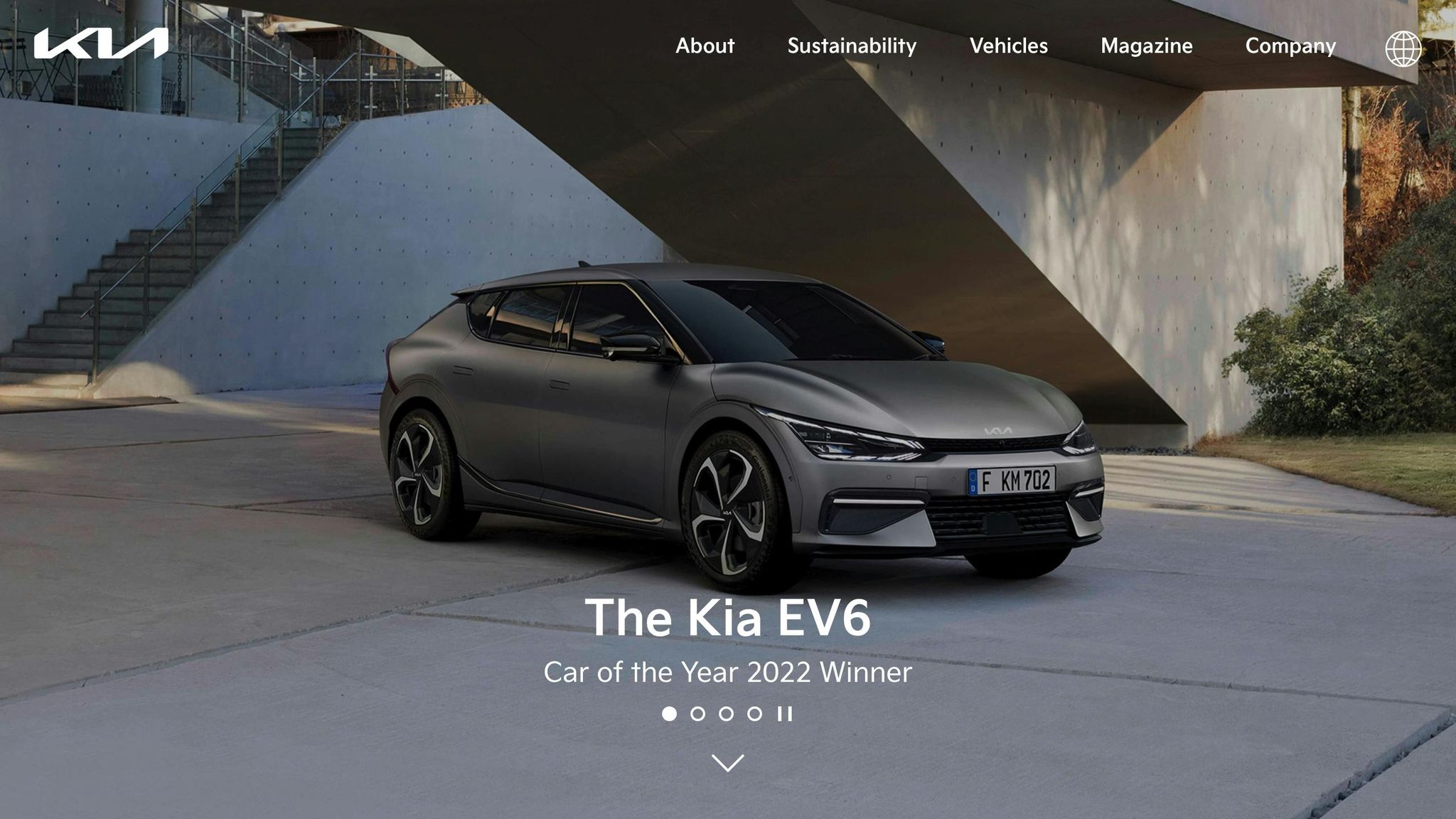
The Kia EV6 is built on the advanced Electric Global Modular Platform (E-GMP), shared with the Hyundai Ioniq 5, and promises strong performance. The 2026 facelift introduces a larger 84 kWh nickel-manganese-cobalt (NMC) battery, which offers an 8% improvement in energy density compared to the earlier 77.4 kWh version. The GT-Line AWD variant delivers a combined output of 325 hp and 605 Nm of torque, ensuring a powerful drive whether you’re navigating city streets or cruising on the motorway. Below, we dive into its range, pricing, performance, and charging compatibility.
Range (km)
With its upgraded battery, the EV6 delivers a striking range. The facelift model offers a WLTP-certified range of 581 km, which is a 53 km improvement over the previous version, and the EV6 claims a maximum range of 663 km. This extended capability makes it ideal for long journeys, such as driving from Karachi to Hyderabad or Lahore to Multan, without frequent charging stops.
Pricing (PKR)
As of February 2026, the Kia EV6 is not officially available in Pakistan. However, pricing details from neighbouring India provide some insight. The GT-Line AWD variant is priced at around ₹65.97 lakh (ex-showroom), with on-road costs in cities like Delhi and Mumbai reaching approximately ₹69.75 lakh. Local pricing in Pakistan has not yet been disclosed.
Performance (0–100 km/h)
The EV6 GT-Line AWD showcases impressive acceleration, going from 0 to 100 km/h in just 5.3 seconds. Inside, the cabin is equipped with premium materials and an upgraded Level 2 ADAS suite, which includes 27 features such as blind-spot collision avoidance and smart cruise control.
Charging Infrastructure Compatibility
The EV6’s 800V architecture sets it apart, allowing ultra-fast charging from 10% to 80% in just 18 minutes using a 350 kW DC charger. For the more common 50 kW DC chargers available in Pakistan, the same charge takes about 73 minutes. The car is compatible with 800V and 400V systems, and it supports Type 2 (AC) and CCS Combo 2 (DC) charging ports. Additionally, its Vehicle-to-Load (V2L) technology provides up to 3.6 kW of power, making it a handy backup during load-shedding or power outages.
sbb-itb-5f05a6f
5. MG ZS EV
The MG ZS EV stands out as one of the more budget-friendly electric SUVs in Pakistan. It comes in two battery options: a 51.1 kWh Short Range (Essence) and a 72.6 kWh Long Range variant. Both models balance practicality and price, offering solid performance for EV enthusiasts. The car is also equipped with modern driver assistance features, including adaptive cruise control and autonomous emergency braking.
Range (km)
The Short Range variant provides a WLTP-certified range of 320 km, which can stretch to 429 km in urban settings thanks to regenerative braking. On the other hand, the Long Range variant offers an impressive range of 440–505 km, depending on driving conditions. This makes it ideal for trips like Islamabad to Murree or navigating Karachi’s bustling streets without worrying about running out of charge.
Pricing (PKR)
As of February 2026, the MG ZS EV MCE Essence is priced at PKR 9,690,000, while the MCE Long Range variant costs PKR 14,999,000 (ex-factory). With a 5.0/5.0 rating on PakWheels, users have highlighted its "electrifying drive" and robust safety features. However, some buyers have expressed concerns about the availability of charging stations and spare parts.
Performance (0–100 km/h)
Both variants deliver a strong performance, accelerating from 0 to 100 km/h in just 8.2 seconds. They produce between 154–174 hp and can hit a top speed of 180 km/h. The car also offers three regenerative braking modes – Eco, Normal, and Sports – which help optimise range in stop-and-go traffic.
Charging Infrastructure Compatibility
The MG ZS EV is compatible with a combined Type 2/CCS charging system. Using fast charging, the battery can go from 10% to 80% in just 35 minutes. For home charging, the process takes between 5–8 hours. Additionally, its Vehicle-to-Load (V2L) technology allows the car to power external devices during load-shedding – an especially handy feature in Pakistan’s frequent power outages. This mix of affordability and advanced features makes the MG ZS EV a compelling choice in Pakistan’s growing EV market.
6. XPeng G6
Introduced to Pakistan in late 2025 through collaborations with the GUGO Group and Tesla Industries, the XPeng G6 is a premium mid-size SUV. It’s built on the SEPA 2.0 platform and features 800V high-voltage Silicon Carbide (SiC) technology, enabling much faster charging compared to 400V systems. As Pakistan’s electric vehicle (EV) market continues to grow, the G6 aims to strengthen this momentum with its advanced charging capabilities.
Range (km)
The XPeng G6 delivers a WLTP-certified range of up to 570 km in its RWD Long Range model.
Pricing (PKR)
While the vehicle has been officially launched, local pricing details are yet to be announced. Positioned as a premium EV, the G6 is expected to appeal to buyers seeking high performance and advanced features.
Performance (0–100 km/h)
The G6 is available in three configurations, each offering varied performance levels. Thanks to its 800V platform, the SUV enhances acceleration and efficiency for both city and highway driving. Specific 0–100 km/h times are yet to be disclosed, but the system is designed to support ultra-fast capabilities in the future.
Charging Infrastructure Compatibility
Equipped with the CCS2 charging port standard, the XPeng G6 is well-suited to Pakistan’s developing EV infrastructure. Its 800V platform ensures compatibility with next-generation ultra-fast chargers, even though most current charging stations may not fully utilise its potential. These features make the G6 a forward-thinking choice for Pakistan’s shift towards modern electric mobility.
7. Zeekr 001
The Zeekr 001 is a high-end electric SUV built on Geely‘s SEA platform. Its shooting brake design blends the utility of an SUV with the sleek style of a liftback, offering a distinct visual appeal and practicality for drivers [57, 58]. For 2026, the model introduces a cutting-edge 900-volt system that enhances both charging speeds and overall driving performance.
Range (km)
The Zeekr 001 boasts an impressive CLTC-certified range of 750 km, depending on the battery option. It comes equipped with either a 95-kWh Shenxing or a 100-kWh Qilin battery, both using NTP technology. These batteries incorporate eight safety measures to guard against thermal runaway, ensuring both performance and safety.
Pricing (PKR)
Pricing details for the Zeekr 001 in Pakistan are yet to be announced. However, as a premium model, it is expected to carry a price tag that reflects its high-end features. For reference, the smaller Zeekr X, launched in Pakistan in early 2026, is priced between PKR 17,990,000 and PKR 18,990,000. Internationally, the Zeekr 001 starts at approximately £55,000, reinforcing its position as a luxury electric vehicle.
Performance (0–100 km/h)
Performance enthusiasts will appreciate the 2026 Zeekr 001’s impressive specs. The AWD variant delivers a peak power of 680 kW (912 hp), enabling it to sprint from 0 to 100 km/h in just 3.3 seconds. It also achieves a top speed of 240 km/h, making it a strong contender in the high-performance EV segment.
Charging Infrastructure Compatibility
The Zeekr 001 is designed to keep pace with Pakistan’s growing charging infrastructure. Thanks to its advanced high-voltage architecture, it supports ultra-fast DC charging with speeds of up to 360 kW. This allows the car to add approximately 500 km of range in just 15 minutes [60, 61]. For home charging, the vehicle is also compatible with standard Level 2 AC chargers, making it versatile for various charging needs.
Strengths and Weaknesses
Electric SUVs come with various features and challenges that Pakistani buyers need to weigh carefully. One key consideration is ground clearance, which is crucial for navigating local roads. For instance, the MG ZS EV offers 177 mm of clearance, while some purpose-built models go up to 207 mm, making them better suited for uneven terrain and speed breakers. This difference can significantly affect both ride comfort and overall performance on Pakistan’s diverse road conditions.
Another important factor is charging infrastructure compatibility. High-end models like the Kia EV6 and Zeekr 001 boast advanced 800V systems, allowing ultra-fast charging. However, Pakistan’s current charging network is largely limited to 50 kW DC chargers, which may not fully support these advanced systems. On the other hand, models like the BYD Atto 3 and MG ZS EV are better aligned with the existing infrastructure. Additionally, their Vehicle-to-Load (V2L) feature can be a lifesaver during load-shedding, as it allows users to power essential home appliances.
Battery technology also plays a pivotal role, especially in Pakistan’s hot climate. The BYD Atto 3 uses LFP (Lithium Ferrous Phosphate) Blade battery cells, known for their durability in high temperatures. However, real-world performance often falls short of manufacturer claims, with some models experiencing notable range reductions during testing. These discrepancies can significantly impact the overall value and practicality of an electric SUV.
Pricing is another area where differences become evident. Budget-friendly options are limited, leaving the premium segment to cater to wealthier buyers. For example, the MG ZS EV, built on an older platform with a single 50.3kWh battery, lacks some advanced features seen in newer models. However, it compensates with a well-established local service network, making it a practical choice for many.
Conclusion
Our review of the top electric SUV models highlights the variety available to meet different buyer preferences. In Pakistan, choosing an electric SUV involves balancing personal priorities with practical factors. For those focused on affordability, the BYD Atto 3 (PKR 8,990,000) and the MG ZS EV (PKR 9,690,000 to PKR 14,999,000) stand out as solid options. They pair modern safety features with city-friendly ranges of 300–400 km, making them ideal for daily commutes. Additionally, the MG ZS EV benefits from a well-established local service network.
For buyers seeking cutting-edge performance and advanced features, models like the Tesla Model Y and Hyundai Ioniq 5 strike a balance between efficiency and practical charging solutions tailored to Pakistan’s conditions. However, affordability isn’t the only consideration – charging infrastructure and reliable after-sales support are equally important. With around 80% of EV owners in Karachi and Lahore relying on home charging, it’s crucial to ensure your home can accommodate a 7 kW AC wall box, as public DC fast charging options remain scarce.
As the electric SUV market in Pakistan evolves, it now offers choices that fit a range of needs, from daily city commutes to longer motorway journeys. By assessing factors like range, charging compatibility, and service availability, buyers can make informed decisions that suit both their budgets and lifestyles.
FAQs
What should I consider when buying an electric SUV in Pakistan?
When purchasing an electric SUV in Pakistan, there are several factors to weigh to ensure it aligns with your needs. Range is a key consideration since it determines how far you can travel on a single charge. Aim for models offering at least 400 km per charge, as this is suitable for both daily city commutes and longer journeys.
Charging options are another critical aspect. Opt for a vehicle that supports fast charging and can also be conveniently charged at home. This flexibility can save you time and make day-to-day use much easier.
Don’t overlook performance and safety features. Look for advanced driver assistance systems, solid build quality, and comfortable interiors to enhance your driving experience. Lastly, factor in the cost, not just the upfront price in PKR but also ongoing maintenance expenses. Check for the availability of local service centres and warranty support to ensure hassle-free ownership. By considering these points, you can choose an electric SUV that meets both your lifestyle and the demands of driving in Pakistan.
How well does Pakistan’s charging infrastructure support electric SUVs?
Pakistan is making steady progress in developing its charging infrastructure to support the growing adoption of electric SUVs. Public charging stations are being installed in key cities like Islamabad, Lahore, Karachi, and Faisalabad, making it more convenient for drivers to recharge during urban commutes or on long road trips. Many electric SUVs now feature fast-charging capabilities, allowing them to go from 10% to 80% charge in less than an hour – perfect for highway travel.
For even greater convenience, home charging solutions are readily available. Options like portable chargers and wall-mounted units allow owners to recharge their vehicles overnight or throughout the day as needed. Additionally, government policies and incentives aimed at promoting electric vehicles are motivating automakers to expand their offerings. With an increasing number of charging points nationwide, electric SUVs are becoming a practical choice for everyday use in Pakistan.
What benefits do solar panels offer when paired with electric SUVs in Pakistan?
Pairing solar panels with electric SUVs in Pakistan offers several benefits, particularly when it comes to cutting costs and reducing environmental impact. By harnessing solar energy for charging, owners can minimise their reliance on the national grid, which is often either unreliable or costly in many regions. This not only helps lower electricity bills but also encourages the use of renewable energy, aligning with the country’s goals for a greener future.
Given the high energy prices in Pakistan, solar-powered charging becomes an especially appealing option. While the initial investment in solar panels might seem significant, the electricity generated after installation is essentially free. This makes it an economical solution for users in both urban and rural settings. Beyond the financial advantages, this combination also promotes eco-friendly transportation by cutting down carbon emissions, making it a smart and practical choice for Pakistan’s expanding electric vehicle market.