
 sysadmin
 Singapore, a vibrant island city-state in Southeast Asia, is rapidly positioning itself as a leader in electric mobility. With a population of over 6.1 million, this global financial hub is not only a major center for trade but also a burgeoning market for electric vehicles (EVs). The country’s official languages are English, Malay, Mandarin, and Tamil, and the currency is the Singapore Dollar (SGD). As a nation with left-hand traffic, Singapore’s vehicle market has unique characteristics. The Port of Singapore, one of the world’s busiest, serves as the primary gateway for vehicle importation, managed by operators like PSA International and Jurong Port.
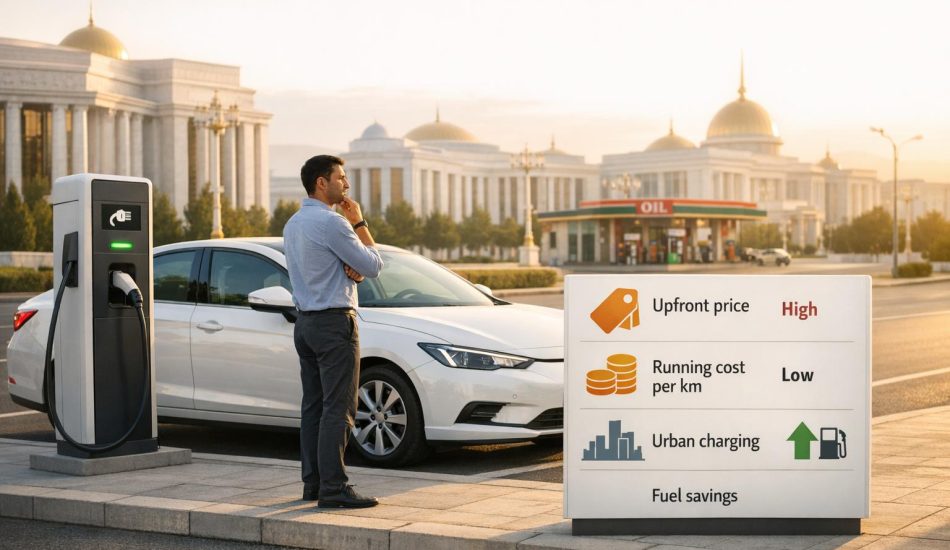
The Singaporean government has established a clear regulatory framework to encourage the adoption of EVs. Importing an electric vehicle into Singapore involves several costs, including an excise duty of 20% of the Open Market Value (OMV) and a 9% Goods and Services Tax (GST). In addition, a tiered Additional Registration Fee (ARF) is levied. To offset these costs and promote cleaner energy vehicles, the government offers significant incentives. The EV Early Adoption Incentive (EEAI) provides a substantial 45% rebate on the ARF, capped at S$15,000, for fully electric cars registered before the end of 2025. Further benefits are available through the Vehicular Emissions Scheme (VES), which offers rebates for lower-emission vehicles. For those considering importing used vehicles, it is important to note that Singapore imposes an age restriction, allowing only the importation of cars that are less than three years old.
The push for electrification is clearly reflected in Singapore’s EV market data. In 2024, electric vehicles accounted for approximately one-third of all new car registrations, a significant increase from 18% in 2023 and 12% in 2022. While the total annual EV sales volume is still being compiled, the market share figures demonstrate a strong upward trend. Chinese automaker BYD has emerged as the top-selling EV brand in the country, indicating a shift in consumer preferences. While specific data on the most popular EV categories, such as sedans or SUVs, is yet to be confirmed, the overall market growth is undeniable.
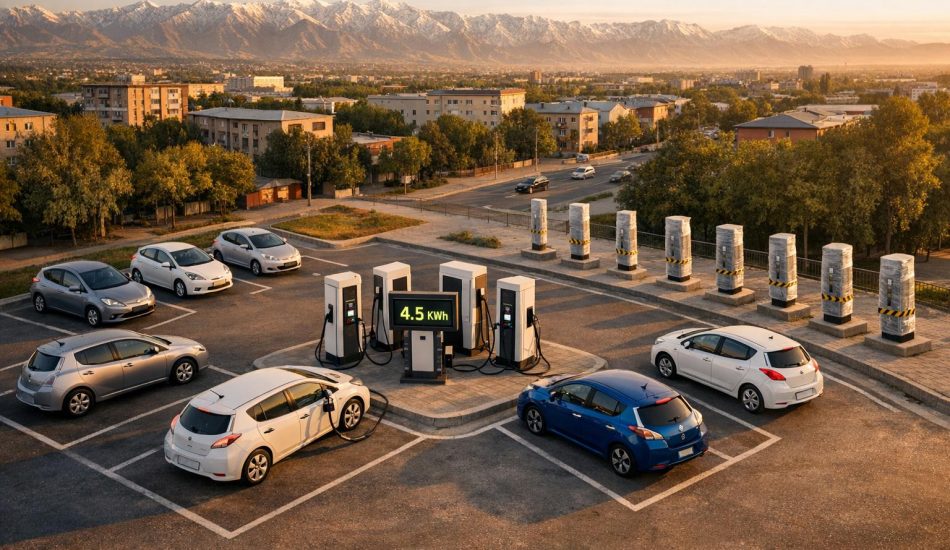
To support the growing EV population, Singapore is aggressively expanding its charging infrastructure. As of August 2024, there were approximately 13,800 public charging points across the island. The government has set an ambitious target of deploying 60,000 charging points by 2030. The network consists of both AC charging stations for regular charging and DC fast-charging stations for quicker top-ups, although a precise breakdown of the numbers is yet to be confirmed. Several major operators, including SP Group, Shell Recharge, BlueSG, Charge+, and even automakers like BYD, are actively building out the charging network, ensuring that EV drivers have convenient access to charging facilities.
Singapore is also fostering a local EV industry. The Hyundai Motor Group Innovation Center Singapore (HMGICS) is a state-of-the-art facility where Hyundai and Kia assemble electric vehicles, including the Ioniq 5 and the EV6. This marks a significant step in developing a local EV manufacturing ecosystem. The country is also home to companies involved in the production of charging equipment, such as Charge+ and Delta Electronics. These developments are supported by government initiatives under the Singapore Green Plan 2030, which aims to phase out internal combustion engine vehicles by 2040 and encourage local production and innovation in the EV sector.
In conclusion, the EV market in Singapore presents a promising outlook. The combination of strong government support, a growing charging infrastructure, and increasing consumer interest creates a fertile ground for the continued growth of electric mobility. For EV importers, the key opportunities lie in offering a diverse range of models that cater to the needs of the Singaporean market, from compact city cars to premium electric sedans and SUVs. As Singapore continues on its path towards a sustainable transport future, the EV market is set to play a pivotal role in the nation’s green ambitions.