
 Arka Pratama
 Kazakhstan, a vast and resource-rich nation, is steadily embracing the global shift towards electric mobility. This article delves into the burgeoning electric vehicle (EV) market in Kazakhstan, offering a comprehensive overview for enthusiasts and potential importers. Situated in the heart of Eurasia, Kazakhstan is a land of immense opportunity, and its automotive sector is no exception. The country’s capital is Astana, and it is home to a population of approximately 20 million people. The official currency is the Kazakhstani Tenge (KZT), and the official languages are Kazakh and Russian. Traffic in Kazakhstan flows on the right-hand side of the road. For vehicle importation, the primary gateway into this landlocked country is the Port of Aktau, strategically located on the eastern coast of the Caspian Sea.
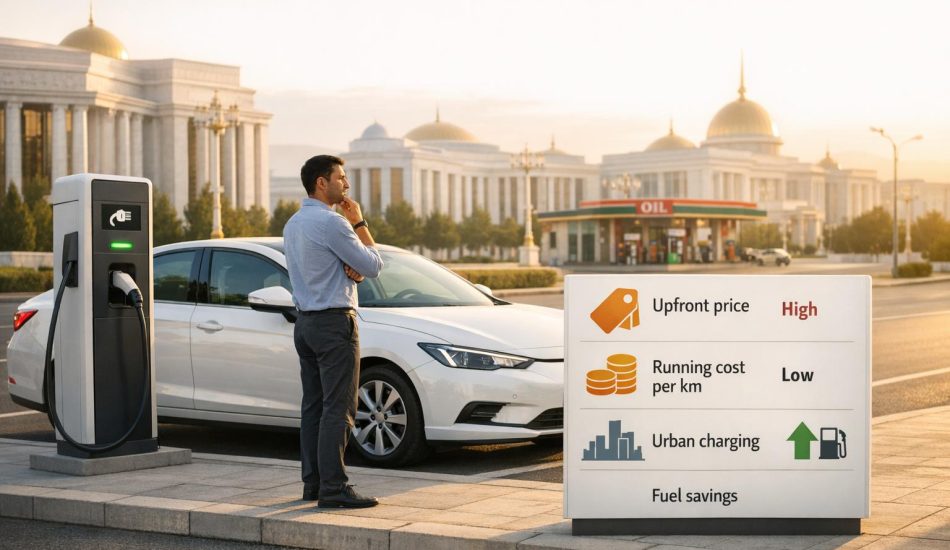
The government of Kazakhstan has been proactive in encouraging the adoption of electric vehicles through a series of regulations and incentives. Previously, a significant incentive was a quota for the duty-free and VAT-free import of up to 15,000 electric vehicles. However, this quota has now been filled. Currently, importers of electric vehicles are subject to a 15% customs duty on the vehicle’s value, in addition to a 12% Value Added Tax (VAT). Despite the reintroduction of these taxes, other incentives remain in place to make EV ownership attractive. These include an exemption from transport tax and recycling fees, which can represent significant savings over the lifetime of the vehicle. Furthermore, the registration fees for used electric cars are set at half the cost of their internal combustion engine counterparts. There is no specific information available regarding vehicle age restrictions for imports, so this is a point that potential importers should verify with the relevant authorities. For investment in infrastructure, the government offers a 30% subsidy for the installation of charging stations.
The electric vehicle market in Kazakhstan is still in its nascent stages but is demonstrating rapid growth. As of August 2025, there were 17,976 registered electric vehicles in the country. While this number represents less than 1% of the total national vehicle fleet, the sales of new EVs are on a steep upward trajectory. The market is seeing a diverse range of brands vying for market share. Chinese brands such as Zeekr and BYD have made significant inroads, offering a range of models that appeal to Kazakhstani consumers. The top-selling EV in 2024 was the Hyundai Ioniq 5, with 320 units sold. Other popular models include the Zeekr 001, Zeekr X, BYD Han EV, and the Kia EV6. The most popular EV categories appear to be crossovers and sedans, which offer a good balance of space, comfort, and performance suitable for the country’s varied driving conditions.
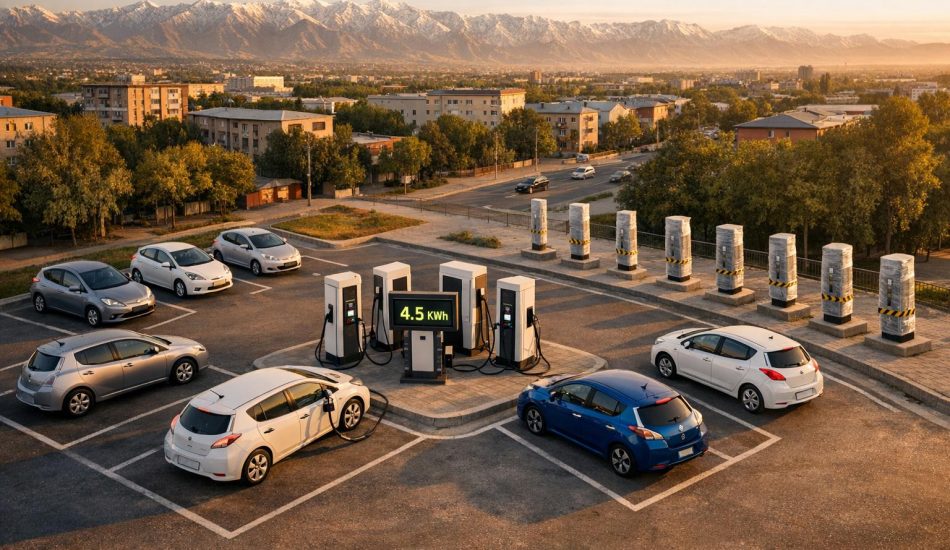
The development of charging infrastructure is a critical component of the EV ecosystem, and Kazakhstan is making strides in this area. However, the exact number of public charging stations is a point of some discrepancy, with different sources reporting figures ranging from 40 to over 269. The majority of these charging stations are concentrated in the major cities of Almaty, Astana, and Shymkent. Specific data on the number of AC charging stations versus DC fast-charging stations is yet to be confirmed. Several companies are emerging as major charging network operators, including Astana Motors, Voltauto, and Greencars.kz, who are all contributing to the expansion of the charging network across the country.
Kazakhstan is also fostering a local EV industry to support its transition to electric mobility. The country has attracted foreign investment in local assembly and production. The Saryarka Avtoprom plant in Kostanai has been assembling the JAC iEV7S and the Kia EV6. Kia has further solidified its commitment to the Kazakhstani market by opening a new production plant in Kostanay. On the component manufacturing front, local companies like Greencars.kz are involved in the development and production of charging equipment. The government is actively pursuing further foreign direct investment to establish more comprehensive local EV manufacturing capabilities, aiming to transform Kazakhstan into a regional hub for electric vehicle production.
In conclusion, the electric vehicle market in Kazakhstan holds significant potential. While still in its early days, the combination of growing consumer demand, government support, and increasing investment in infrastructure points towards a bright future for electric mobility in the country. For EV importers, the key opportunities lie in providing a diverse range of models that cater to the preferences of Kazakhstani consumers, particularly in the popular crossover and sedan segments. Despite the end of the duty-free import quota, the remaining incentives and the overall market growth present a compelling business case for those looking to enter this dynamic and evolving market.