
 Arka Pratama
 Laos: A New Frontier for Electric Mobility
Nestled in the heart of Southeast Asia, the Lao People’s Democratic Republic, commonly known as Laos, is a landlocked nation with a rich cultural heritage and a growing economy. With its capital and largest city, Vientiane, situated on the banks of the Mekong River, Laos is home to a population of approximately 7.9 million people. The official language is Lao, and the national currency is the Kip (LAK). As with most of its neighbors in the region, Laos follows a right-hand traffic system. While the country is landlocked, vehicle importation is a crucial aspect of its automotive market, with specific entry points for vehicles, though detailed information on the main ports for vehicle importation is to be confirmed.
The Laotian government has demonstrated a strong commitment to promoting the adoption of electric vehicles through a series of forward-thinking policies and regulations. To incentivize the shift towards electric mobility, the government has introduced attractive import regulations for EVs. These include a zero percent import tariff, a significantly reduced excise tax of just three percent, and a value-added tax (VAT) of seven percent. In addition to these import benefits, the government offers tax exemptions and reductions on the importation of equipment for electric vehicle production and the development of charging station infrastructure. Furthermore, owners of electric vehicles benefit from a 30 percent reduction in annual road taxes compared to their gasoline-powered counterparts. Information regarding any vehicle age restrictions for imports is to be confirmed.
The electric vehicle market in Laos is experiencing a remarkable surge in growth. In the latest available data from 2023, the country saw a total of 4,631 electric vehicles sold, a figure that includes 2,592 cars and 2,039 motorbikes. While the overall EV market share percentage is yet to be confirmed, this sales volume indicates a strong and growing consumer interest in electric mobility. The market is currently dominated by a few key players, with Chinese brand BYD and Japanese manufacturer Toyota emerging as top-selling brands. Vietnamese automaker VinFast has also entered the market with its VF 3 and VF 5 models, further diversifying the options available to consumers. Among the various types of electric vehicles, SUVs and sedans have proven to be the most popular categories among Laotian buyers.
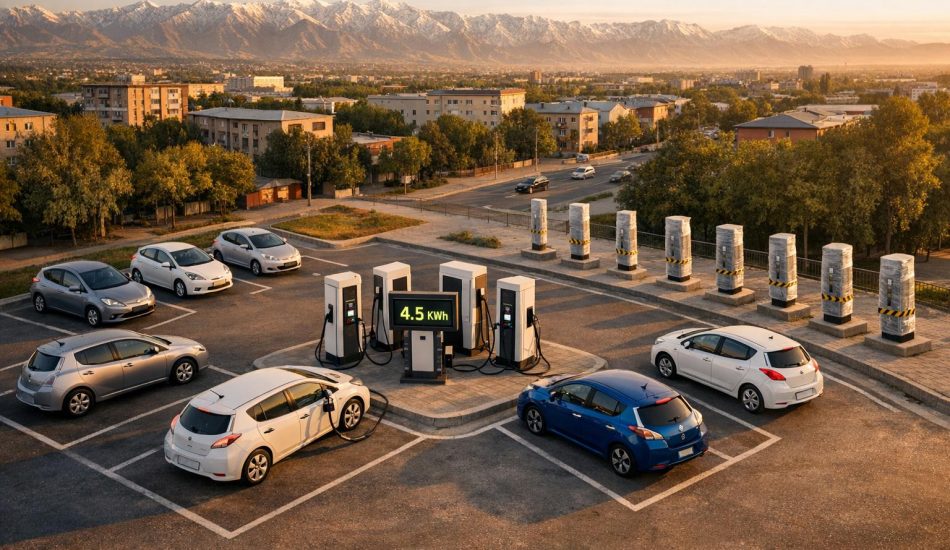
To support the growing fleet of electric vehicles, Laos has been actively developing its charging infrastructure. The country now boasts a growing network of public charging stations, with the total number exceeding 80. While the specific breakdown between AC and DC fast-charging stations is to be confirmed, a significant portion of these are fast-charging units. The expansion of the charging network is being led by two major operators: LOCA and BlueDot. Both companies have been instrumental in establishing a reliable and accessible charging infrastructure, with each operating over 40 charging stations across the country. This rapid expansion is crucial for alleviating range anxiety and encouraging the widespread adoption of electric vehicles.
The local electric vehicle industry in Laos is still in its nascent stages, but there are promising signs of development. The government is actively encouraging local production and assembly of electric vehicles through various initiatives. While there are no major local EV car manufacturers at present, the Taiwanese electronics giant Hon Hai Precision Industry, also known as Foxconn, has expressed a strong interest in investing in the country’s battery and electric vehicle industry. In the two-wheeler segment, Graphion’s Ewave is actively involved in the electric motorcycle market. The local production of charging equipment is also gaining traction, with companies like SCU Power supplying chargers to local operators. The government’s proactive stance is further evidenced by its pilot projects for charging stations and its ambitious goal of having electric vehicles constitute one percent of all vehicles in the country by 2025.
In conclusion, the electric vehicle market in Laos holds immense potential and presents a positive outlook for the future. The combination of strong government support, favorable import policies, and a rapidly expanding charging network has created a fertile ground for the growth of electric mobility. For EV importers, Laos represents a key opportunity, with a clear and growing demand for affordable and reliable electric vehicles. As the nation continues on its path towards a more sustainable transportation future, the EV market in Laos is poised for significant expansion, making it a market to watch in the Southeast Asian region.