
 Arka Pratama
 Kyrgyzstan, a landlocked nation in Central Asia, is steadily paving the way for electric mobility. With its capital in Bishkek, a population of over 6.7 million, and the Kyrgyzstani Som as its currency, the country is embracing the global shift towards sustainable transportation. The official languages are Kyrgyz and Russian, and the country follows a right-hand traffic system. As a landlocked country, vehicle importation primarily occurs through its neighboring countries, with China and Kazakhstan being major points of entry.
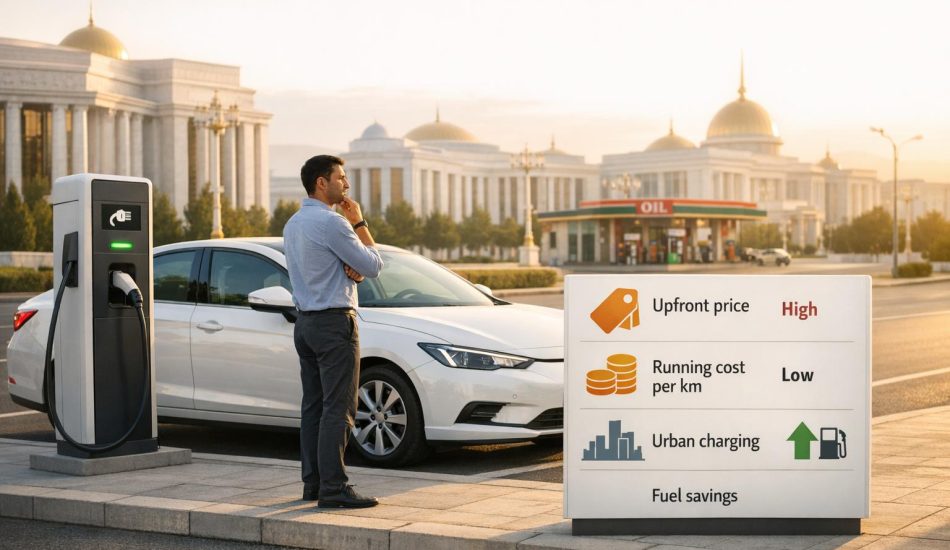
The Kyrgyz government has demonstrated a forward-thinking approach to electric vehicles by implementing favorable import regulations. Notably, there is an exemption from customs duties for a specific quota of electric vehicles, a policy designed to stimulate the adoption of cleaner energy transportation. This tariff exemption serves as a significant government incentive for potential EV buyers. However, to ensure road safety and environmental standards, the importation of vehicles older than 10 years is restricted.
The electric vehicle market in Kyrgyzstan has witnessed remarkable growth in recent years. In 2023, the country imported approximately 6,875 electric vehicles from China, a testament to the burgeoning demand. While specific market share data is yet to be consolidated, the sales volume indicates a strong upward trend. Among the top-selling EV brands are BYD, Changan, and FAW, with models from Volkswagen and Zeekr also gaining popularity. The prevalence of these brands suggests a consumer preference for a mix of sedans and SUVs, although detailed statistics on popular EV categories are still emerging.
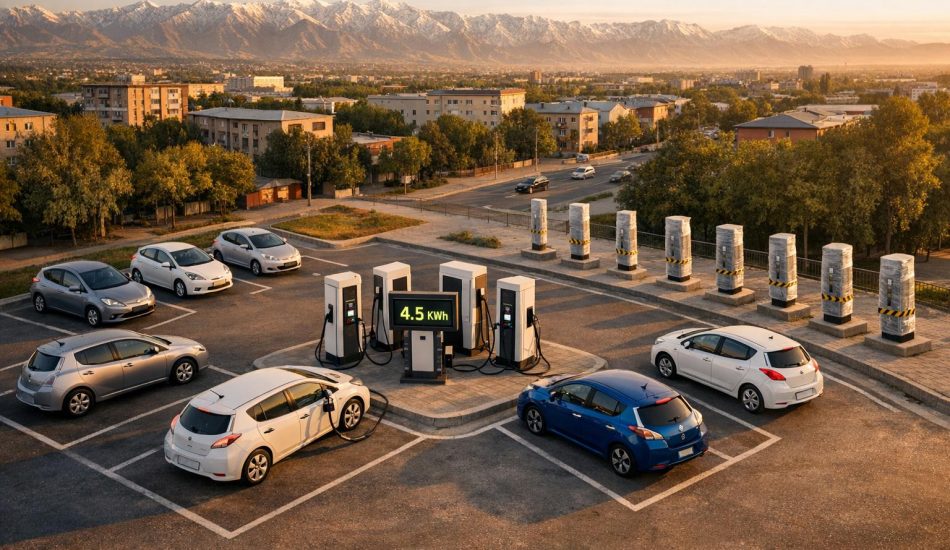
To support the growing fleet of electric vehicles, Kyrgyzstan is actively developing its charging infrastructure. As of early 2024, there were approximately 40 public charging stations in the capital city of Bishkek. While the exact breakdown of AC and DC fast-charging stations is yet to be confirmed, the government is focused on expanding the network. Regional players like Voltauto are also contributing to the development of charging infrastructure in the country. These efforts are crucial for ensuring the convenience and practicality of owning an EV in Kyrgyzstan.
While Kyrgyzstan does not currently have local manufacturing of electric cars, the government is taking steps to foster a domestic EV industry. There are promising initiatives for the local production of charging equipment, including a partnership with a South Korean company to establish a manufacturing facility. Furthermore, the government is exploring the development of local lithium battery production and is committed to creating a nationwide charging network. These initiatives signal a clear intent to build a self-sustaining EV ecosystem within the country.
In conclusion, the electric vehicle market in Kyrgyzstan holds significant potential. The combination of government incentives, a growing charging infrastructure, and an increasing consumer appetite for EVs creates a favorable environment for growth. For EV importers, the key opportunities lie in introducing a diverse range of models that cater to the local market’s needs and preferences. As the country continues to invest in its EV infrastructure and local industry, Kyrgyzstan is poised to become a notable player in the Central Asian electric vehicle landscape.