
 Arka Pratama
 The Rise of Electric Vehicles in Armenia: A Market on the Move
Nestled in the South Caucasus region, the Republic of Armenia is a nation witnessing a significant transformation in its automotive landscape. With its capital in Yerevan, a population of approximately 2.8 million people, and the Armenian Dram (AMD) as its currency, the country is embracing the global shift towards sustainable transportation. The official language is Armenian, and for those looking to navigate its roads, traffic flows on the right-hand side. As a landlocked country, Armenia relies on neighboring Georgia for its vehicle importation, with the Black Sea ports of Poti and Batumi serving as the primary gateways for vehicles entering the nation.
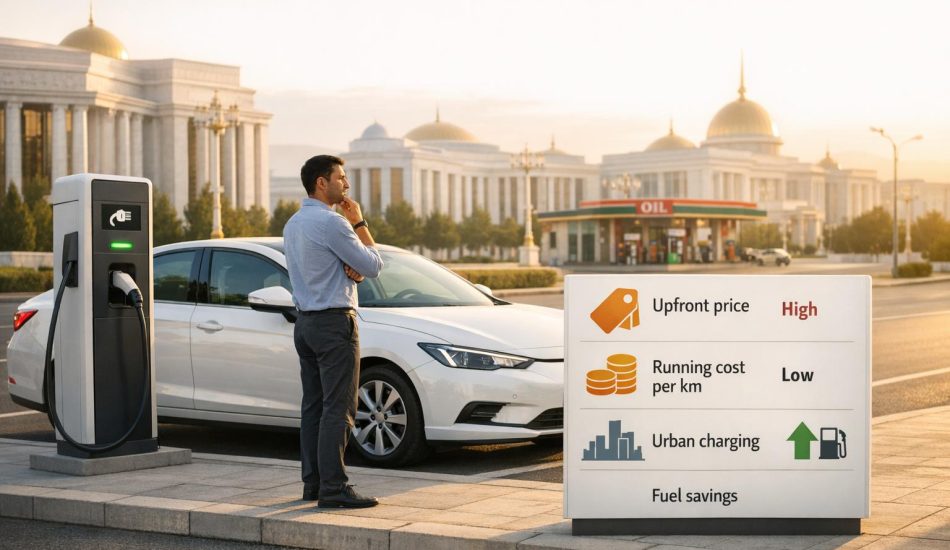
The Armenian government has been a key driver of the electric vehicle revolution, implementing highly attractive import regulations. In a decisive move to encourage the adoption of cleaner vehicles, the government has exempted electric cars from both import duties and Value Added Tax (VAT). This policy, which has been extended through the end of 2026, effectively reduces the final purchase price of an EV by as much as 35%, making them a financially compelling option for consumers. To manage this influx, a duty-free quota of 15,000 electric vehicles has been allocated for the year 2025. Furthermore, unlike regulations for internal combustion engine vehicles, there are currently no age restrictions imposed on imported electric cars, opening the market to a wider range of models.
These favorable policies have ignited a boom in the Armenian EV market. The growth has been nothing short of exponential, soaring from just a few hundred registered EVs in 2020 to nearly 12,000 units imported in the first nine months of 2025 alone. This surge is reflected in the market share, with pure electric vehicles impressively accounting for 27% of all new vehicle registrations between January and August 2025. The Armenian market shows a diverse taste in EVs, with a mix of sedans and SUVs proving popular. Among the top-selling models are the BYD Dolphin and Song Plus, the venerable Nissan Leaf, the Tesla Model 3, and the Hyundai Kona Electric. The presence of brands like Chevrolet, Hongqi, Zeekr, and Li Auto further underscores the variety available to Armenian buyers.
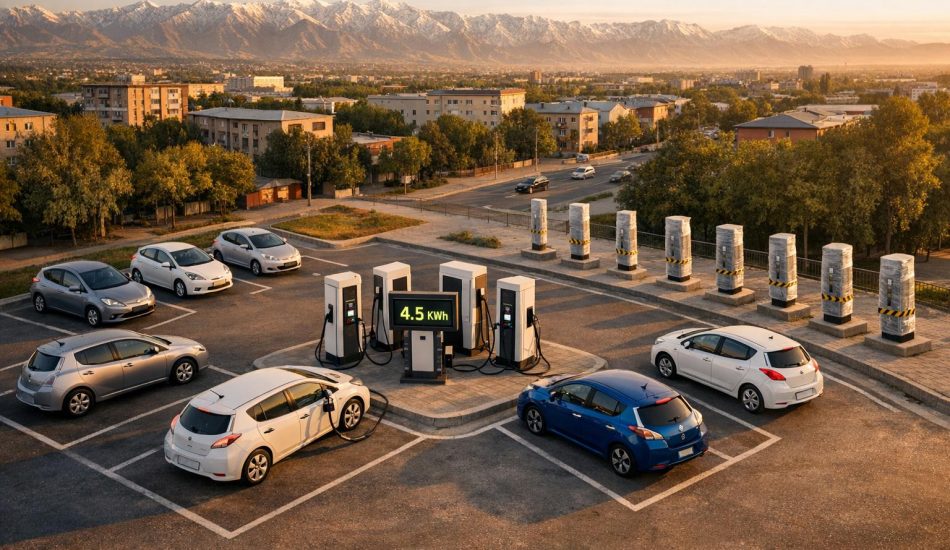
To support this rapidly growing fleet, Armenia’s charging infrastructure is steadily expanding. While the network is still developing, there are now approximately 200 public charging stations scattered across the country, a significant increase from just a handful a few years ago. The specific breakdown between AC charging stations and DC fast-charging stations is data to be confirmed, but several key operators are establishing a presence. Major charging network operators include iCharge, Team Energy, EV Solutions Armenia, and VoltPrime Armenia, who are all working to build a more comprehensive and reliable network to alleviate range anxiety and facilitate longer journeys.
While importation currently dominates the market, there are early signs of a burgeoning local EV industry. The focus is less on domestic car manufacturing and more on ancillary services and infrastructure. For instance, local companies are emerging in the charging equipment sector, with firms like iCharge and EOSVOLT providing localized charging solutions. At present, there are no major local EV car or two-wheeler manufacturers, and the country does not have any large-scale vehicle assembly plants. However, government initiatives are primarily focused on stimulating demand through import incentives and promoting the electrification of public transport in major urban centers like Yerevan, which could pave the way for future investments in local production and assembly.
In conclusion, the electric vehicle market in Armenia holds immense potential. The combination of strong government incentives, a lack of vehicle age restrictions, and growing consumer enthusiasm has created a fertile ground for growth. The outlook is overwhelmingly positive, with sales expected to continue their upward trajectory. For EV importers, the key opportunities lie in introducing a diverse range of models, particularly in the popular SUV and affordable sedan categories, to cater to the evolving preferences of Armenian drivers. As the charging infrastructure continues to mature, Armenia is well on its way to becoming a significant player in the regional electric mobility transition.