
 Arka Pratama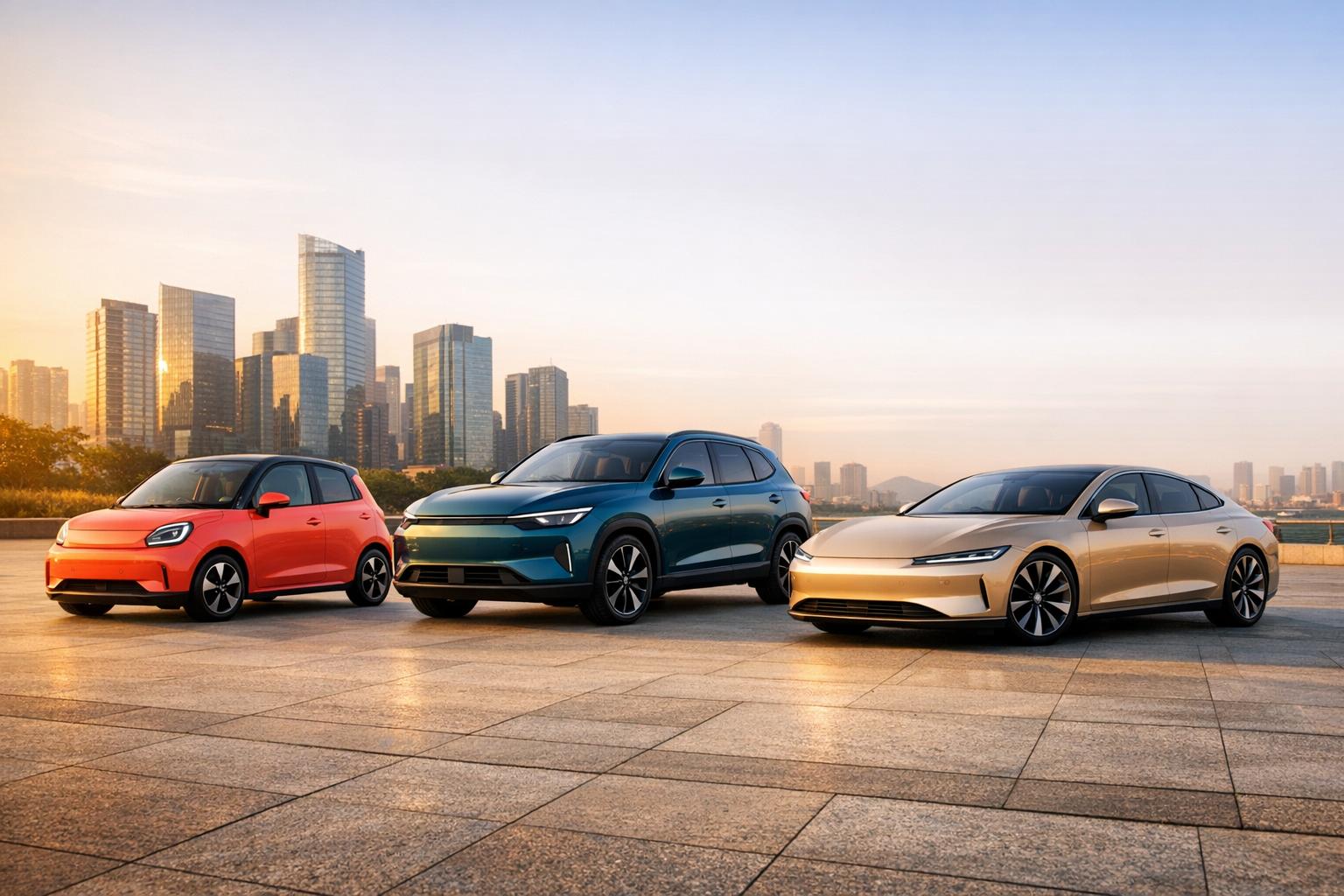
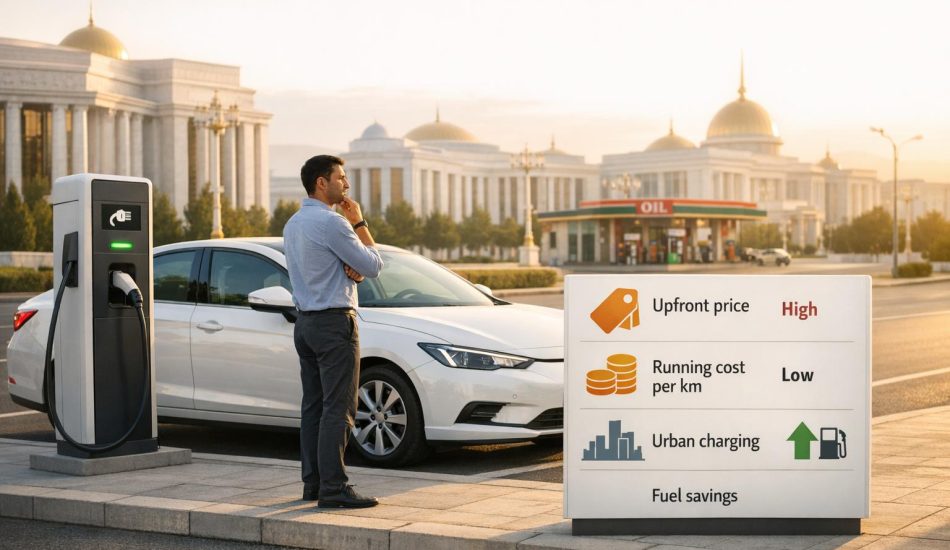
Asia’s EV market is booming in 2026, with new launches offering a mix of affordability, performance, and variety. From budget-friendly hatchbacks to luxury SUVs, these models cater to diverse needs, especially in countries like Pakistan, India, and Singapore. Key highlights include:
- Affordable EVs: Nio Firefly and Volkswagen ID.2, priced under PKR 10 million, target urban commuters with compact designs.
- Family SUVs: BYD Seal U and Subaru Solterra XT offer spacious interiors and long ranges, ideal for intercity travel.
- Luxury Choices: Hyundai Ioniq 9 and MG Cyberster provide high-end features and cutting-edge technology for premium buyers.
- Range-Extended Options: BYD Seal U and Toyota bZ Flex combine electric and petrol power for over 1,000 km range.
Charging infrastructure is improving, with many models supporting fast charging in under 30 minutes. Local assembly in Pakistan and India, along with tax incentives, is expected to lower costs further. Whether you’re a city commuter or a long-distance traveler, 2026 brings EVs for everyone.
Top 10 EVs Launching in Asia 2026: Range, Price & Charging Comparison
The Best New Electric Cars Arriving In 2026!
sbb-itb-5f05a6f
1. Nio Firefly
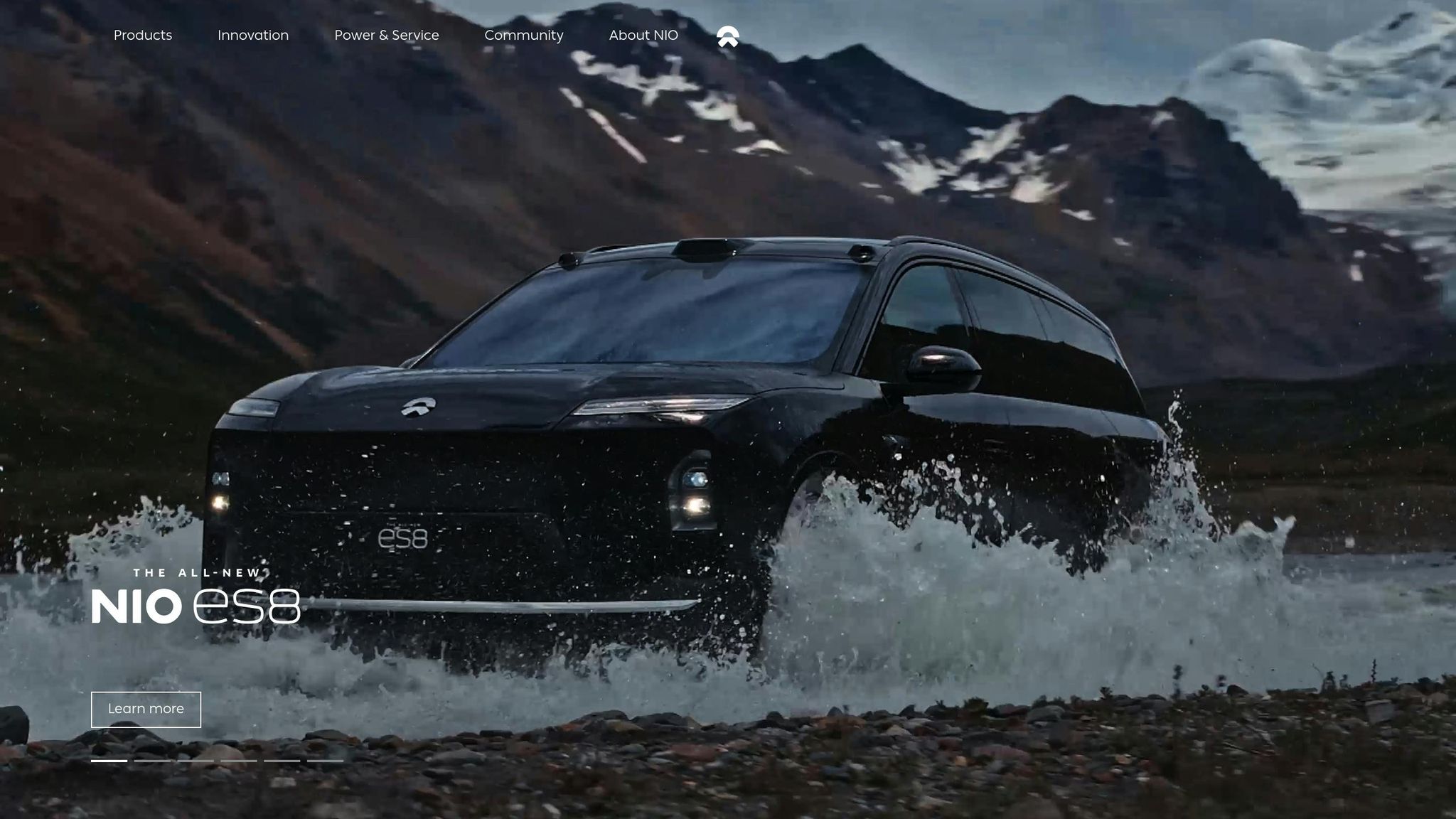
The Nio Firefly stands out as a premium compact electric vehicle (EV) from China, designed specifically for city life. With its five-door hatchback design and a length of 4,003 mm, it’s perfectly sized for navigating busy urban streets. Daniel Jin, President of Firefly, highlighted its premium appeal:
"One key point we emphasised during our negotiations with the distributors is that you cannot simply regard Firefly as just another made-in-China EV. If we lower its positioning, we’re done for."
Performance Specifications
The Firefly is powered by a 105 kW (141 hp) rear-mounted motor that delivers 205 Nm of torque. This setup allows it to go from 0 to 100 km/h in 8.1 seconds, with a top speed of 150 km/h. Its 42.1 kWh Lithium Iron Phosphate battery, sourced from Sunwoda, offers a WLTP range of 320–330 km – ideal for daily city commutes but slightly behind competitors like the Volkswagen ID.3, which boasts a range of 415 km.
Charging is quick and convenient. A 100 kW DC fast charger can take the battery from 10% to 80% in just 29 minutes, while an 11 kW AC charger is perfect for overnight charging. Additionally, Nio’s innovative fifth-generation battery swap stations can replace the battery in under five minutes, adding a unique edge to its usability.
Pricing and Regional Affordability
In Pakistan, the Firefly is expected to cost around Rs 4,687,200. This is comparable to its base price in China, approximately Rs 46,89,000 ($16,500). Buyers in China can reduce the initial cost to about Rs 31,53,000 ($11,100) by opting for the Battery-as-a-Service (BaaS) model, which involves a monthly battery rental fee of roughly Rs 15,620 ($55). Between April and October 2025, Nio sold 26,009 units in China, with nearly 30% of buyers choosing the BaaS option.
Key Features and Technology
The Firefly’s interior is packed with modern tech and thoughtful design. It features a 13.2-inch floating touchscreen, a 6-inch digital instrument cluster, and "Lumo", a ChatGPT-powered AI voice assistant. The cabin is finished with vegan leather and microfibre materials, combining comfort with sustainability.
Storage is well-planned, with a 92-litre frunk, a 29-litre compartment under the rear seats, and a boot space that expands from 404 litres to 1,253 litres with the rear seats folded. A 4.7-metre turning radius ensures smooth handling in tight urban spaces. Safety is also a priority, as the Firefly has earned a five-star Euro NCAP rating, including a 96% score for adult occupant protection.
Market Availability in Asia
The Firefly made its global debut in January 2026 at the Singapore Motor Show, showcasing a right-hand-drive version for Southeast Asian markets. Launches in Thailand, Nepal, and the UK are confirmed for later in 2026. Although Pakistan isn’t on the official launch list yet, the possibility of its future availability remains open.
2. Honda Super-One
The Honda Super-One is a standout in the compact city EV category, blending modern electric performance with an urban-friendly design. This tall, compact hatchback is crafted to handle Pakistan’s bustling streets and tight parking spaces, with dimensions of 3,589 mm in length, 1,573 mm in width, and 1,616 mm in height. While it offers a variety of features similar to the Nio Firefly, the Super-One focuses on urban mobility and advanced driver-assistance systems.
Performance Specifications
When it comes to performance, the Super-One impresses with its single front-drive electric motor, producing 94 hp (70 kW) and 162 Nm of torque[22,24]. Weighing just 1,092 kg, it achieves a power-to-weight ratio of 64.1 kW/tonne, surpassing rivals like the BYD Dolphin Essential, which offers 46.5 kW/tonne. Its 29.6 kWh battery delivers a WLTP range of nearly 295 km, making it perfect for everyday city commutes. Plus, it recharges from 20% to 80% in just 30 minutes.
For added excitement, the car features a Boost Mode that temporarily increases power for a more dynamic driving experience. Additionally, the Active Sound Control system, paired with an 8-speaker Bose audio setup, recreates engine and gear-shift sounds, mimicking a seven-speed transmission for a sportier feel[22,23].
Pricing and Regional Affordability
Designed with urban Pakistan in mind, the Super-One is priced between Rs 6,700,000 and Rs 7,000,000, making it a competitive option for city dwellers seeking an electric vehicle.
Key Features and Technology
The interior of the Super-One is equipped with a 12.8-inch touchscreen and an 8.8-inch digital cluster for a modern yet user-friendly experience. Unlike many EVs that rely heavily on touch controls, Honda has included physical buttons and knobs for essential functions like climate control and media. Safety is also a priority, with the Honda Sensing package offering features such as Adaptive Cruise Control, Lane Keeping Assist, and Automatic Emergency Braking.
Market Availability in Asia
The Super-One made its debut in Singapore in January 2026 and is expected to reach Australia and other Asian markets by the end of 2026[22,24]. Production began in 2026, with plans to expand to additional markets in December of the same year. While Pakistan isn’t officially on the launch list yet, the attractive pricing suggests it could be introduced in the future.
3. Subaru Solterra XT
The Subaru Solterra XT brings a mix of performance and rugged off-road abilities to the electric SUV market, standing out from competitors that lean more towards urban use. Built on Subaru’s e-Subaru Global Platform, it features the iconic Symmetrical All-Wheel Drive system, enhanced with X-MODE for handling tough terrains. With an impressive 211 mm ground clearance, the Solterra XT is well-suited for Pakistan’s diverse road conditions, from smooth highways to bumpy rural paths. This blend of capability and versatility makes it a solid choice for regions with varied landscapes.
Performance Specifications
The Solterra XT runs on dual permanent magnet synchronous motors, delivering 347 PS (255 kW) and 437 Nm of torque. This setup powers the SUV from 0 to 100 km/h in just 5.1 seconds. It houses a 73.1 kWh lithium-ion battery, offering a WLTP range of 436 km. Charging is made convenient with a 150 kW DC fast charger (10% to 80% in 30 minutes) and home charging support of up to 22 kW.
Pricing and Regional Affordability
In Hong Kong, the Solterra XT is priced at HKD 329,900 (around Rs 11,900,000) under the "One-for-One Replacement" scheme. For Pakistan, the expected base price is approximately Rs 12,000,000, though final costs might rise due to local duties and taxes. This pricing positions the Solterra XT in the mid-to-high premium range, offering a balance of performance, luxury, and advanced features.
Key Features and Technology
The XT’s interior is packed with modern tech, including a 14-inch high-resolution touchscreen and a 7-inch LCD instrument cluster. Subaru EyeSight, the brand’s driver-assist suite, ensures enhanced safety for every journey. Additional features include dual wireless charging pads, a 360-degree heated steering wheel, and a premium Harman Kardon audio system. For off-road enthusiasts, the X-MODE system provides specialised Snow/Dirt and Deep Snow/Mud settings, ensuring confidence on challenging terrains.
Market Availability in Asia
The Solterra XT has already debuted in Hong Kong and is set to expand to other Southeast Asian markets, including Malaysia and Singapore, by 2026. While its launch in Pakistan remains uncertain, the SUV’s off-road strengths and competitive pricing make it a strong contender for future introduction in the country.
4. Kia EV4
The Kia EV4 is making waves in Asia’s EV market, offering a mix of affordability and performance. Built on the 400V Electric Global Modular Platform (E-GMP), it’s designed to attract first-time EV buyers with its sleek fastback design and efficient engineering. Equipped with a front-mounted electric motor, it delivers 150 kW (201 hp) and 283 Nm of torque, ensuring a smooth and powerful drive. Its aerodynamic design achieves an impressive drag coefficient of 0.23 Cd, enhancing both range and efficiency. In South Korea, the EV4 hit the ground running, becoming the best-selling battery electric sedan in May 2025 with 1,373 units sold that month.
Performance Specifications
The EV4 comes with two battery options to suit different needs: a 58.3 kWh Standard Range pack and an 81.4 kWh Long Range variant. The Long Range model offers a WLTP-rated range of up to 612 km, while the Standard Range provides 456 km. Acceleration is quick, with the Standard model going from 0–100 km/h in 7.4 seconds and the Long Range in 7.8 seconds. Charging is equally efficient – DC fast charging takes the battery from 10% to 80% in just 29 minutes for the smaller pack and 31 minutes for the larger one. The car also features i-Pedal 3.0 technology, allowing for one-pedal driving with regenerative braking that can be adjusted via steering-mounted paddles.
Pricing and Regional Affordability
In Pakistan, the Kia EV4 is expected to be priced between Rs 9,000,000 and Rs 10,500,000, depending on local import duties and the possibility of local assembly.
Key Features and Technology
The EV4’s interior is packed with advanced tech. A 30-inch display integrates dual 12.3-inch screens alongside a 5-inch climate control panel for a seamless user experience. Safety features include Highway Driving Assist 2, a Blind-Spot View Monitor, and Forward Collision-Avoidance Assist. The vehicle also supports Vehicle-to-Load (V2L) functionality, offering up to 3.6 kW of power for external devices. Digital Key 2.0 enables smartphone-based access, and an AI assistant enhances voice recognition for smoother interaction.
Steven Center, COO & EVP of Kia America, summed it up well:
"The EV4 makes all-electric ownership accessible for those customers who are seeking a more practical and affordable option on the EV landscape whilst still desiring an advanced, technology-driven in-car experience."
Market Availability in Asia
After its global unveiling, the EV4 launched in South Korea in April 2025 and debuted in Australia on 19 January 2026. In Pakistan, it’s expected to arrive by 2026 through Kia Lucky Motors. Other Asian markets, like India (expected July 2026) and the UAE (expected March 2026), will also see the EV4 during the same period.
5. BYD Seal U
The BYD Seal U is set to make waves in 2026, offering a versatile and efficient EV experience. Equipped with the DM-i Super Hybrid technology, this mid-size SUV combines electric driving with a 1.5-litre petrol engine that mainly acts as a range extender. Together, they deliver an impressive range of up to 1,125 km on a full tank and charge. Built on BYD’s e-Platform 3.0 and featuring the cutting-edge Blade Battery, the Seal U is tailored for families who value practicality and long-distance capability. With a 5-star safety rating from Euro NCAP and ANCAP, it stands out as a trustworthy option for family travel.
Performance Specifications
The Seal U offers two configurations: a Front-Wheel Drive (FWD) option and an All-Wheel Drive (AWD) "Design" trim. The FWD Boost and Comfort models deliver 218 hp and 325 Nm of torque, achieving 0–100 km/h in 8.9 seconds. For those seeking more power, the AWD Design variant steps up with 324 hp and over 450 Nm of torque, reaching 0–100 km/h in just 5.9 seconds.
Battery options include an 18.3 kWh pack for 80 km of pure electric range and a larger 26.6 kWh pack offering 125 km of electric-only driving. This outperforms competitors like the Toyota RAV4 Prime, which offers 75 km. Charging is quick and efficient, with DC fast charging taking the battery from 20% to 80% in just 30–60 minutes, depending on the battery size. According to WLTP testing, the Seal U achieves a combined fuel consumption rate as low as 0.4 L/100 km when charged regularly.
Pricing and Regional Affordability
In Pakistan, the BYD Seal U is expected to cost between Rs 10,000,000 and Rs 13,000,000, fitting neatly between the urban-oriented Atto 2 (Rs 7,290,000) and the premium Sealion 7 (Rs 15,490,000). This pricing strategy positions it as a strong value proposition. For context, in the UK, the Seal U starts at £31,065, undercutting rivals by £5,000–£10,000 while offering better electric range and advanced features. Plans for local assembly through Mega Motor Company by mid-2026 could further help manage costs.
Key Features and Technology
The Seal U is packed with advanced features aimed at improving both convenience and safety. Its "God’s Eye" driver-assistance system supports high-level autonomous functions, including remote parking and autonomous overtaking. Inside, the cabin boasts a rotating 12.8-inch or 15.6-inch touchscreen, which can switch between portrait and landscape modes, alongside a 10.25-inch digital instrument cluster. The SUV also includes Vehicle-to-Load (V2L) technology, allowing it to power external devices.
With dimensions of 4,785 mm in length and a 2,765 mm wheelbase, the Seal U provides spacious five-seat accommodation and up to 1,440 litres of cargo space when the seats are folded. Its aerodynamic design, with a drag coefficient of just 0.219 Cd, enhances its efficiency and performance.
Market Availability in Asia
BYD is set to launch the Seal U across Asia in 2026 as part of its "Ocean Series" expansion. In Pakistan, local assembly through Mega Motor Company is scheduled to begin by mid-2026. Meanwhile, India will open bookings the same year, with pricing estimated between ₹25 lakh and ₹30 lakh (approximately Rs 8,500,000–Rs 10,200,000). The Seal U will also debut in Southeast Asian markets like Thailand, Singapore, and the Philippines during this period.
6. Xpeng G6 Air
The Xpeng G6 Air is making waves in Asia’s EV market, blending cutting-edge AI technology with affordability. Built on the SEPA 2.0 platform, it features an impressive 800V high-voltage SiC architecture. At the heart of the vehicle is the Turing AI chip – a 40-core processor capable of 750 TOPS, boosting CPU, GPU, and NPU performance. This marks a transition from traditional software-defined vehicles to a new era of AI-driven cars.
Performance Specifications
The G6 Air is equipped with a single-motor RWD system delivering 252–255 hp, paired with a 66–68.5 kWh LFP battery. It accelerates from 0 to 100 km/h in 6.6–6.9 seconds and offers a WLTP range of 435–480 km. Its 800V fast-charging system allows the battery to charge from 10% to 80% in just 12–15 minutes. Adding to its appeal, the model secured a 5-star ANCAP safety rating in late 2024.
Pricing and Regional Affordability
In January 2026, Tesla Industries introduced the G6 Air to the Pakistani market, pricing it at Rs 14,500,000 for the RWD Standard Range model. Buyers can choose between two booking options: "Quick Delivery" within 45 days (with a 40% upfront payment) or "Standard Delivery" within 90 days (with a 20% upfront payment). For comparison, the G6 Air’s starting price in China is approximately US$25,580.
Key Features and Technology
The G6 Air is loaded with advanced features like full autonomous parking, X-Pilot Assist, and an advanced visual perception system. Powered by its Turing AI chip, the vehicle supports up to 30 billion parameters and offers seamless cloud updates. Inside, it boasts a 15.6-inch Ultra-HD infotainment screen, a 10.25-inch digital instrument cluster, and an 18-speaker Xopera acoustic system. Its "Starship-inspired" design achieves an aerodynamic drag coefficient of just 0.248 Cd, combining efficiency with eye-catching aesthetics. In 2025, it was named "Electric SUV of the Year" by SGCARMART in Singapore.
Market Availability in Asia
The Xpeng G6 Air made its debut at the Singapore Motorshow in January 2026, targeting the CAT A segment, which dominates 65% of the market. It was also launched in Pakistan by Tesla Industries. In Malaysia, the 2026 Standard variant starts at RM 160,000, with colour options including Midnight Black, Arctic White, Graphite Grey, Silver Frost, and Stellar Purple. Xpeng’s strategy aims to bring AI-driven EVs to a broader audience across Asia, reflecting the region’s dynamic shift towards advanced electric mobility in 2026.
7. Volkswagen ID.2
Volkswagen aims to make electric vehicles more accessible with the ID.2, a compact hatchback designed to combine affordability with practicality and advanced features. Built on the new MEB Entry platform, the ID.2 is the first Volkswagen EV to feature front-wheel drive, which not only reduces costs but also maximizes interior space. Measuring 4,050 mm – comparable to the Polo – it offers an impressive cargo capacity of 490 to 1,330 litres, rivalling the spaciousness of the Golf. Thomas Schäfer, CEO of Volkswagen Passenger Cars, highlighted the company’s commitment:
"We are implementing the transformation at pace to bring electric mobility to the masses".
This focus on combining affordability with smart design underpins the ID.2’s appeal.
Performance Specifications
The ID.2 is equipped with a front-mounted electric motor delivering 166 kW (226 PS / 223 HP), enabling it to sprint from 0 to 100 km/h in under 7 seconds, with a top speed capped at 160 km/h. It boasts a WLTP range of up to 450 km, supported by two battery options: a 38 kWh Lithium Iron Phosphate (LFP) pack and a 56 kWh Lithium Nickel Manganese Cobalt Oxide (NMC) pack. The DC fast charging system allows the battery to go from 10% to 80% in just 20 minutes. Future variants are set to offer outputs of 85 kW, 99 kW, and 155 kW.
Pricing and Regional Affordability
Volkswagen plans to price the ID.2 under 25,000 euros (approximately $27,100 USD), which could translate to an estimated Rs 7,500,000–Rs 8,000,000 in Pakistan, depending on exchange rates and local taxes. This pricing positions it as a strong competitor to other affordable EVs like the BYD Dolphin and MG4 EV.
Key Features and Technology
The ID.2 comes packed with modern features, including a 12.9-inch touchscreen infotainment system and a 10.9-inch digital gauge cluster. Responding to customer preferences, Volkswagen includes tactile controls such as a dedicated air-conditioning panel and a thumbwheel for volume adjustments. Additional highlights include Travel Assist, IQ.LIGHT LED matrix headlights, and an EV Route Planner. Kai Grünitz, Member of the Brand Board of Management for Technical Development, elaborated:
"The ID. 2all will be the first MEB vehicle with front‐wheel drive. We are exploiting the great flexibility offered by our modular electric drive (MEB) platform and will set new standards in terms of technology and everyday usability".
Market Availability in Asia
The production-ready version of the ID.2 is expected to debut in late 2025, with market launches beginning in early 2026. While specific dates for Asian markets remain uncertain, the ID.2 is seen as a key model for emerging markets due to its affordability and practicality. However, reports suggest it may not launch in India immediately because of high import costs and strategic challenges. Positioned as an important step in Asia’s growing electric vehicle market, the ID.2 underscores the region’s shift toward accessible, high-performance EVs.
8. Hyundai Ioniq 7
Hyundai’s top-tier electric SUV, originally introduced as the Ioniq 7 and later renamed the Ioniq 9 for production, offers a luxurious three-row experience. Built on the trusted E-GMP platform, it blends a spacious, lounge-like interior with cutting-edge technology and impressive performance. SangYup Lee, Hyundai’s Head of Global Design, describes it as:
"The Ioniq 7 redefines what a family SUV can be – intelligent, sustainable, and inspiring."
Its sleek Aerosthetic design, featuring active air flaps and a 3D underbody cover, achieves a drag coefficient of just 0.259 Cd. These aerodynamic enhancements not only improve efficiency but also highlight the SUV’s advanced engineering.
Performance Specifications
The Ioniq 9 is available in three powertrain options:
- Long Range RWD: Produces 160 kW (215 hp) with an impressive WLTP range of up to 620 km.
- Long Range AWD: Delivers 230 kW (308 hp) and offers a range of approximately 503 km.
- Performance AWD: Boasts 320 kW (429 hp) and accelerates from 0 to 100 km/h in just 5.2 seconds, with a range of about 501 km.
All models come equipped with a 110.3 kWh NCM lithium-ion battery pack and support 800V ultra-fast charging. This allows for a quick 10% to 80% charge in just 24 minutes.
Pricing and Regional Affordability
In Pakistan, the Ioniq 9’s advanced features, paired with its luxurious safety and comfort technologies, position it as a standout in the high-end EV market. Expected pricing ranges between PKR 28,000,000 and PKR 35,000,000, making it a premium choice for local buyers.
Key Features and Technology
The Ioniq 9’s interior is designed for both comfort and innovation. Highlights include:
- "Relaxation Seats" with a Dynamic Body Care massage system.
- A second-row seating option that swivels to face the third row, creating a social lounge-like setup.
- A curved panoramic display and digital side mirrors for a modern driving experience.
- A 14-speaker Bose premium audio system for immersive sound quality.
With a 3.2-m wheelbase, the SUV offers seating for six or seven passengers and maximises cabin space. It provides up to 2,000 litres of boot capacity with the rear seats folded. Practical features like Vehicle-to-Load (V2L) capability allow it to power external devices, while AWD models can tow up to 2,268 kg.
Market Availability in Asia
The Ioniq 9 began its rollout in Asia with a South Korean launch in early 2025, followed by the Philippines on 23rd July 2025 and Singapore on 10th December 2025. Its India launch is planned for 13th November 2026. While availability in Pakistan is not yet confirmed, Hyundai’s strong presence in the market – bolstered by the success of the Ioniq 5 and Ioniq 6 – suggests the Ioniq 9 could debut locally by late 2026 or early 2027. This phased rollout underscores the region’s growing focus on premium electric vehicles.
9. Toyota bZ Flex
Toyota has introduced a refreshed version of its electric crossover for 2026, now branded as the "bZ" to strengthen its presence in the EV market. This updated model marks a leap forward, offering increased power and better charging capabilities, all based on the reliable e-TNGA platform.
Performance Specifications
The 2026 bZ Flex comes in two variants: FWD and AWD. The FWD version now delivers an upgraded 221 hp (previously 201 hp), while the AWD variant boasts 338 hp – a 50% increase in power. The AWD model can sprint from 0 to 60 mph (around 0 to 97 km/h) in just 4.9 seconds.
When it comes to range, the FWD model, equipped with a larger 74.7 kWh lithium-ion battery, can cover up to 505 km on a full charge. The AWD version offers a slightly lower range of 481 km. Charging is faster too, with support for DC fast charging at up to 150 kW, allowing the battery to go from 10% to 80% in about 28–30 minutes. For home charging, the upgraded 11 kW onboard AC charger ensures a full charge in approximately seven hours.
Pricing and Regional Affordability
Pricing for the bZ Flex varies by region. In Thailand, the Long Range FWD model starts at 1,529,000 Baht (around Rs 12,200,000), while the AWD version costs 1,649,000 Baht (about Rs 13,200,000). Singapore saw the model launch at SGD 214,888 (inclusive of COE), approximately Rs 44,700,000. In Pakistan, the estimated price is expected to range between Rs 9,800,000 and Rs 12,500,000 before including local import duties and taxes, making it a competitive choice among premium EVs.
Key Features and Technology
The bZ Flex isn’t just about performance – it also brings advanced features and a more refined interior. All models come with a North American Charging System (NACS) port, providing direct access to Tesla Superchargers without adapters. Inside the cabin, you’ll find a 14-inch infotainment touchscreen, dual wireless phone chargers, and customisable 64-colour ambient lighting.
Additional features include battery pre-conditioning, which can be manually activated or triggered via navigation, and a heat pump to improve charging efficiency. The bZ Flex also offers 27.7 ft³ of cargo space, making it practical for everyday use.
Market Availability in Asia
Toyota is leveraging its strong presence in Asia to position the bZ Flex as a premium yet competitive electric vehicle. The model debuted in Thailand in early 2026, followed by a launch in Singapore in March 2026. While there’s no official confirmation for Pakistan yet, Toyota’s established presence and the increasing interest in EVs suggest the bZ Flex could arrive by late 2026 or early 2027.
10. MG Cyberster
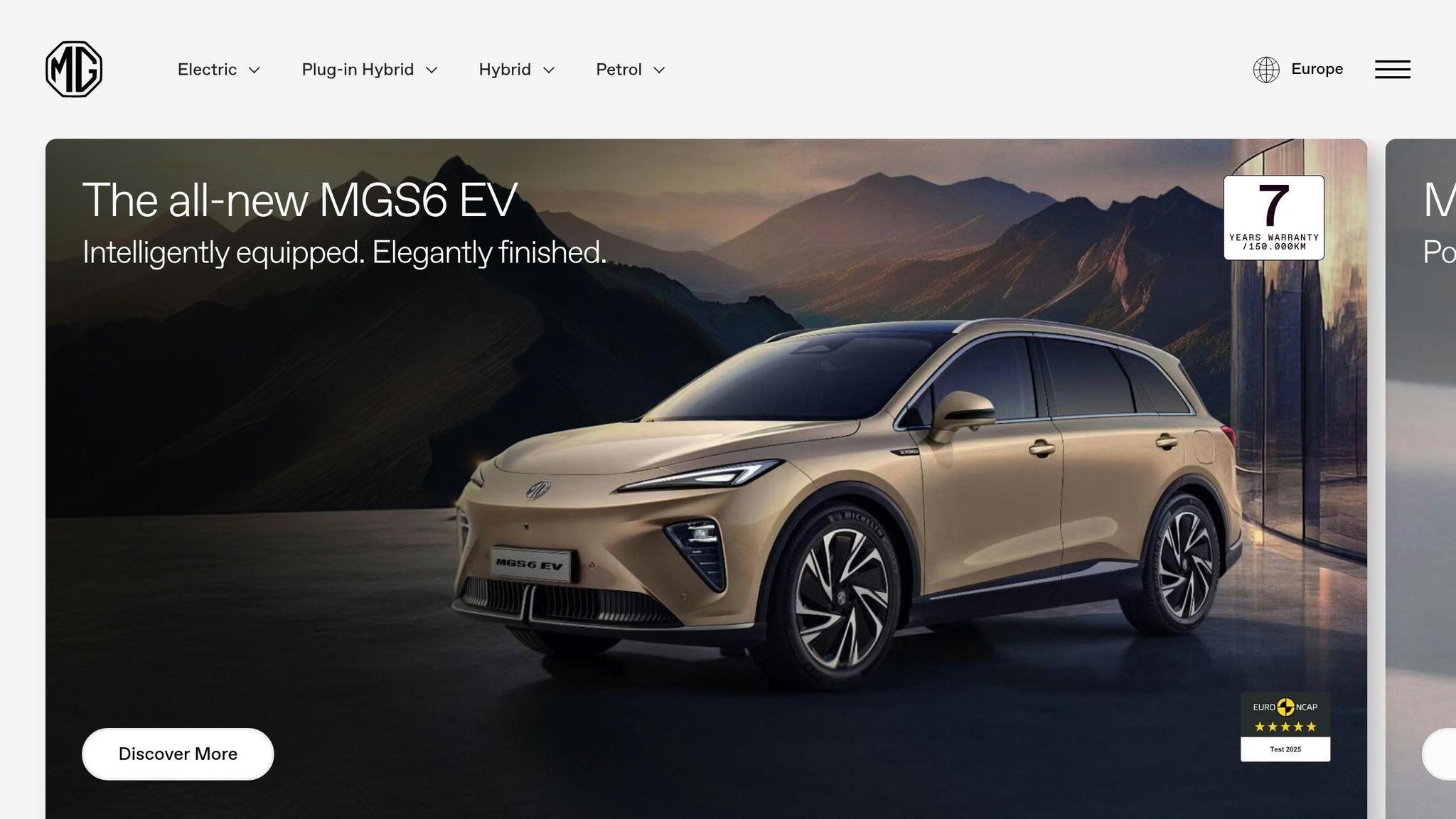
MG is making a bold return to the sports car world with the Cyberster, an all-electric roadster that blends eye-catching design with performance levels that rival supercars. Carl Gotham, MG’s Advanced Design Director, describes it as:
"A striking, all‐electric roadster which promises to be as exciting as MG sports cars of the past".
With its dramatic scissor doors and a soft-top roof that retracts in just 10 seconds – even at speeds up to 50 km/h – the Cyberster is built to grab attention.
Performance Specifications
The Cyberster comes with two powertrain options:
- Single Motor RWD: Produces 335–340 hp and 475 Nm of torque, sprinting from 0 to 100 km/h in about 5.0 seconds.
- Dual Motor AWD: Packs 496–536 hp and 725 Nm of torque, achieving 0–100 km/h in roughly 3.2 seconds.
Both versions are equipped with a 77 kWh lithium-ion battery. The RWD model offers a range of up to 507 km (WLTP), while the AWD version provides up to 443 km. Charging is efficient, with a 150 kW DC charger taking the battery from 10% to 80% in 38 minutes. For home charging, a 7 kW AC charger takes about 10.5–11 hours for a full charge.
Pricing and Regional Affordability
In Pakistan, the GT Single Motor variant is priced at Rs 27,000,000, while the GT Dual Motor version costs Rs 29,900,000. Comparatively, the starting price in China is 319,800 yuan (around Rs 12,500,000), and in India, it begins at approximately ₹75.00 lakh (about Rs 27,000,000). While some local reviewers argue that it feels "overpriced" given Pakistan’s limited EV infrastructure, the Cyberster is clearly aimed at a niche audience of luxury car enthusiasts and electric vehicle fans.
Key Features and Technology
The Cyberster’s interior is packed with high-tech features, including a triple-display dashboard with 7-inch, 10.25-inch, and 7-inch screens, all powered by a Qualcomm Snapdragon 8155 chip. An 8-speaker Bose sound system delivers premium audio quality. The cabin is finished with Nappa leather and Alcantara, adding a touch of luxury, while the MG Pilot ADAS suite offers features like adaptive cruise control and lane-keeping assist for added safety.
The 2026 model introduces new exterior colours like Iris Blue/Green and Andes Grey, alongside a "Black Edition" with high-gloss black paint and chrome detailing. These features position the Cyberster as a standout option in the premium EV sports car category across Asia.
Market Availability in Asia
The Cyberster first launched in China on 30 June 2025, followed by its debut in India on 24 July 2025 through JSW MG Motor India. Thailand began registrations as early as 2024. Pakistan is expected to receive its allocation in 2026, as per the MG Motors Pakistan website, though an exact launch date remains uncertain. The Cyberster is also set to roll out in other markets like the Philippines, Malaysia, and the UAE, showcasing MG’s ambition to dominate the premium electric sports car scene in Asia.
Comparison Table
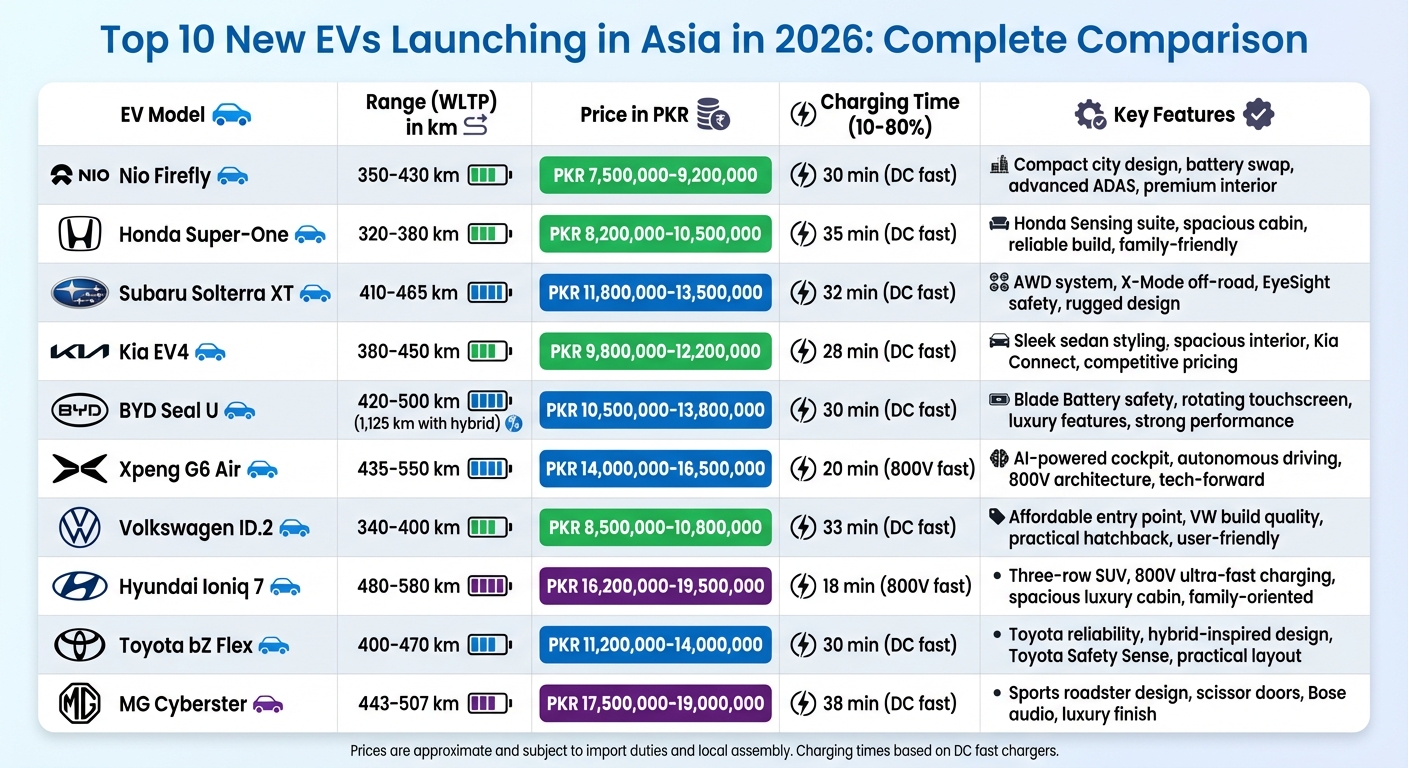
Choosing the right EV from Asia’s 2026 lineup can feel overwhelming. To make it easier, here’s a detailed comparison of important factors like range, pricing (in PKR), charging times, and standout features.
| Model | Range (WLTP) | Price in PKR | Charging Time (from 10% to 80%) | Key Features |
|---|---|---|---|---|
| Nio Firefly | 350–430 km | PKR 7,500,000–9,200,000 | 30 minutes (DC fast) | Compact city design, battery swap capability, advanced ADAS, premium interior |
| Honda Super-One | 320–380 km | PKR 8,200,000–10,500,000 | 35 minutes (DC fast) | Honda Sensing suite, spacious cabin, reliable build quality, family-friendly |
| Subaru Solterra XT | 410–465 km | PKR 11,800,000–13,500,000 | 32 minutes (DC fast) | AWD system, X-Mode off-road capability, EyeSight safety tech, rugged design |
| Kia EV4 | 380–450 km | PKR 9,800,000–12,200,000 | 28 minutes (DC fast) | Sleek sedan styling, spacious interior, Kia Connect, competitive pricing |
| BYD Seal U | 420–500 km | PKR 10,500,000–13,800,000 | 30 minutes (DC fast) | Blade Battery safety, rotating touchscreen, luxury features, strong performance |
| Xpeng G6 Air | 435–550 km | PKR 14,000,000–16,500,000 | 20 minutes (800V fast) | AI-powered cockpit, advanced autonomous driving, 800V architecture, tech-forward |
| Volkswagen ID.2 | 340–400 km | PKR 8,500,000–10,800,000 | 33 minutes (DC fast) | Affordable entry point, VW build quality, practical hatchback design, user-friendly |
| Hyundai Ioniq 7 | 480–580 km | PKR 16,200,000–19,500,000 | 18 minutes (800V fast) | Three-row SUV, 800V ultra-fast charging, spacious luxury cabin, family-oriented |
| Toyota bZ Flex | 400–470 km | PKR 11,200,000–14,000,000 | 30 minutes (DC fast) | Toyota reliability, hybrid-inspired design, Toyota Safety Sense, practical layout |
| MG Cyberster | 443–507 km | PKR 17,500,000–19,000,000 | 38 minutes (DC fast) | Sports roadster design, scissor doors, Bose audio system, luxury finish |
Note: Prices are approximate and depend on factors like import duties, local assembly, and dealer markups. Charging times are based on DC fast chargers, which are increasingly available on major highways but remain less accessible in rural areas. For city driving, most models provide ample range for daily commutes.
Conclusion
The 2026 EV lineup marks a turning point for Asia’s automotive industry, shaped by three key advancements. First, high-voltage fast-charging systems (around 800V) now allow EVs to charge from 10% to 80% in just about 30 minutes. Second, semi-solid-state batteries are being adopted by manufacturers to improve both safety and energy density. Lastly, Range-Extended EVs (REEVs) are gaining traction, blending electric power with petrol engine backups to deliver greater driving range. Together, these trends aim to enhance efficiency, safety, and range for drivers.
For buyers in Pakistan, the choice between EVs and hybrids depends largely on driving habits and the availability of charging infrastructure. For urban commuters in cities like Karachi, Lahore, and Islamabad, pure electric models such as the Nio Firefly or Volkswagen ID.2 could be excellent options. With home charging setups, these cars offer running costs of just Rs 2–3 per kilometre, significantly lower than the Rs 10–15 per kilometre for petrol vehicles. On the other hand, those frequently travelling between cities might lean towards plug-in hybrids like the BYD Seal U, which boasts a combined range of over 1,000 km. This variety addresses the needs of both city dwellers and long-distance travellers across Pakistan.
"Pakistan’s automotive future is not electric-only. It is diversified, pragmatic, and demand-driven. Hybrids are emerging as the dominant bridge technology."
– Awais Ahmad Khan, Car Advisers
Local production is set to play a major role in making EVs more accessible. BYD, in partnership with Hub Power’s Mega Motor Company, plans to roll out 25,000 units annually, with production expected to kick off by July or August 2026. This initiative will likely improve the availability of spare parts and bring down costs for models like the Seal U. Additionally, under the PAVE Scheme (2025–2030), EV buyers benefit from reduced registration taxes, though non-filers will continue to face higher registration fees.
For more details on import regulations and local incentives, visit EV24.asia. The platform provides tailored guidance for bringing the latest electric vehicles into Pakistan’s expanding EV market.
FAQs
Which EV is best for daily city commuting in Pakistan?
For daily city commutes in Pakistan, a small, efficient electric vehicle (EV) with a decent range makes a lot of sense. The Dongfeng Vigo EV stands out with its 51.5 kWh battery, offering a range of 350 km – perfect for navigating urban areas. Another strong contender is the BYD Atto 3, which features a 49.9 kWh battery and an impressive 410 km range, along with the added assurance of Blade Battery safety technology. Both options are dependable, budget-friendly, and well-suited for city driving.
Which 2026 model is best for long trips with limited charging?
The 2026 Xpeng G7 Super Extended Range model stands out as a fantastic option for long-distance travel, delivering an impressive combined range of up to 1,704 km. This extended range significantly cuts down on charging stops, making it a reliable companion for extended road trips.
How will local assembly in Pakistan affect EV prices and parts availability?
Local assembly of electric vehicles (EVs) in Pakistan is set to bring down prices, primarily by cutting import duties on fully assembled units. This shift not only makes EVs more budget-friendly but also ensures easier access to spare parts and maintenance services. As a result, ownership costs are expected to drop, along with improved after-sales support.
With more companies ramping up local production, the availability of parts is likely to grow. This can help stabilise prices over time, making EVs a more appealing option for a larger segment of the market. The move could play a key role in encouraging broader adoption of EVs across Pakistan.