
 Arka Pratama
- Budget Options: EVs under PKR 5,580,000 ($20,000) are now widely available, offering great value for money.
- Top Picks: Models like the BYD Seagull, MG Comet EV, Tata Tiago EV, Wuling Air EV, and Neta V deliver a mix of range, features, and practicality.
- Cost Savings: Switching to EVs can reduce operating costs by 60–80%, with charging as low as PKR 800–1,500 per full charge.
- Features: Expect modern tech like fast charging, safety systems, and smart infotainment, along with reduced maintenance expenses.
- Import Made Easy: Platforms like EV24.asia simplify the process, from customs clearance to local registration.
Ready to make the switch? Keep reading for detailed insights on the best EVs under PKR 5,580,000 and tips on importing and owning one in Pakistan.
Best Electric Cars Under PKR 5,580,000
The electric vehicle (EV) market in Pakistan is growing, offering several affordable options that blend practicality, modern features, and reliable performance. Below are some standout models that cater to various urban and family needs, all while staying within a reasonable budget.
BYD Seagull
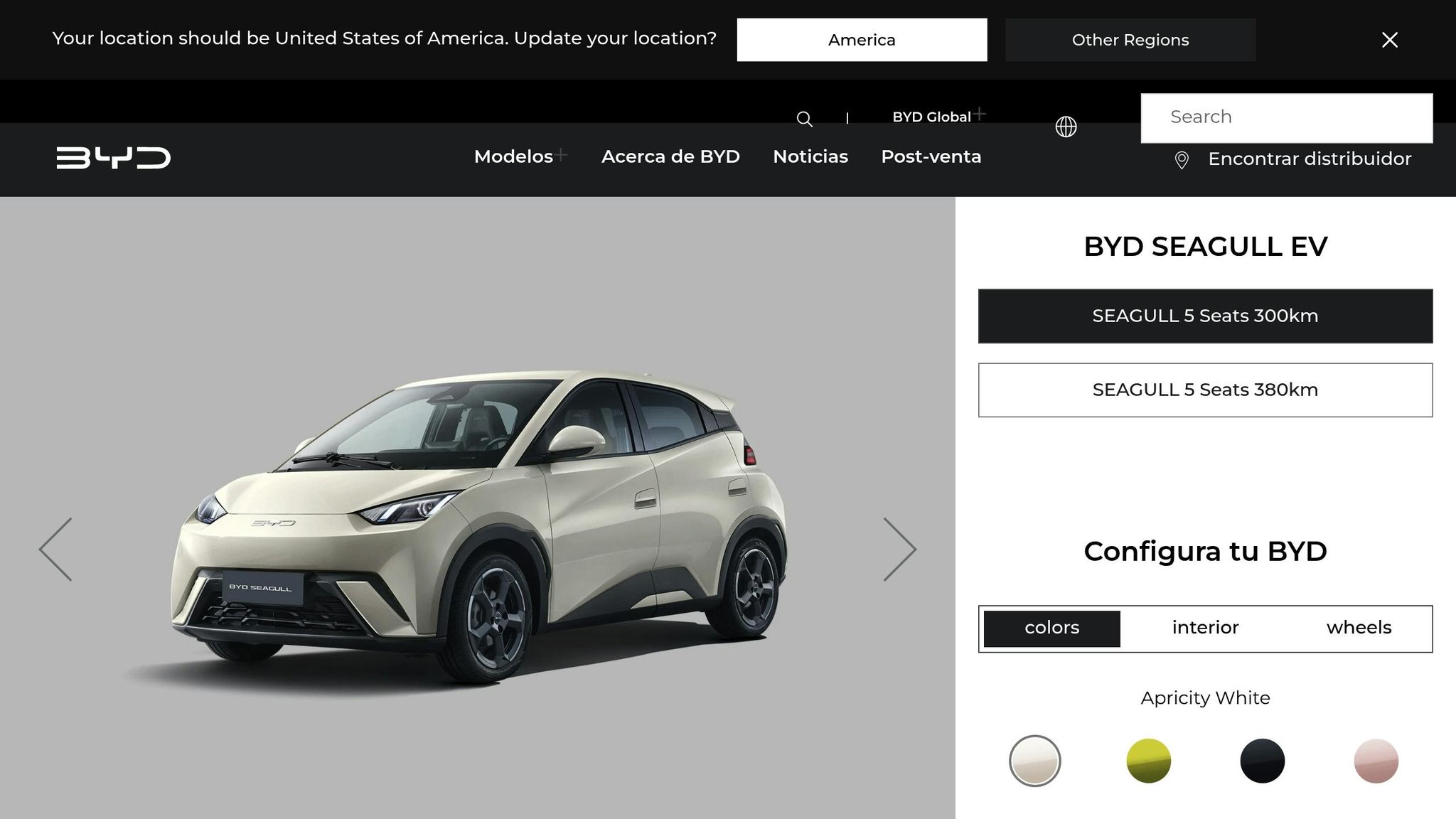
The BYD Seagull, priced between PKR 3,500,000 and PKR 4,500,000, features a 30 kWh BYD Blade Battery. This Lithium Iron Phosphate (LFP) battery is designed to handle Pakistan’s climate, providing excellent thermal stability. With a 300 km NEDC range, 75 HP, and 135 Nm of torque, it reaches a top speed of 130 km/h.
Charging is quick and convenient, with the ability to go from 30% to 80% in just 30 minutes using DC fast charging. Its compact design, highlighted by a 4.95-metre turning radius, makes it a great choice for navigating crowded city streets. Inside, the Seagull is equipped with a 10.1-inch rotating touchscreen and a 7-inch TFT instrument cluster. BYD also claims that maintenance costs are up to 70% lower compared to petrol-powered cars.
"In its segment, the BYD Seagull is definitely a class leader when it comes to value for money." – Antonio, Verified Owner
User reviews give the Seagull a rating of 4.14/5. Owners appreciate its quiet operation and efficiency in city driving, though some mention that the rear seating can feel a bit cramped.
MG Comet EV
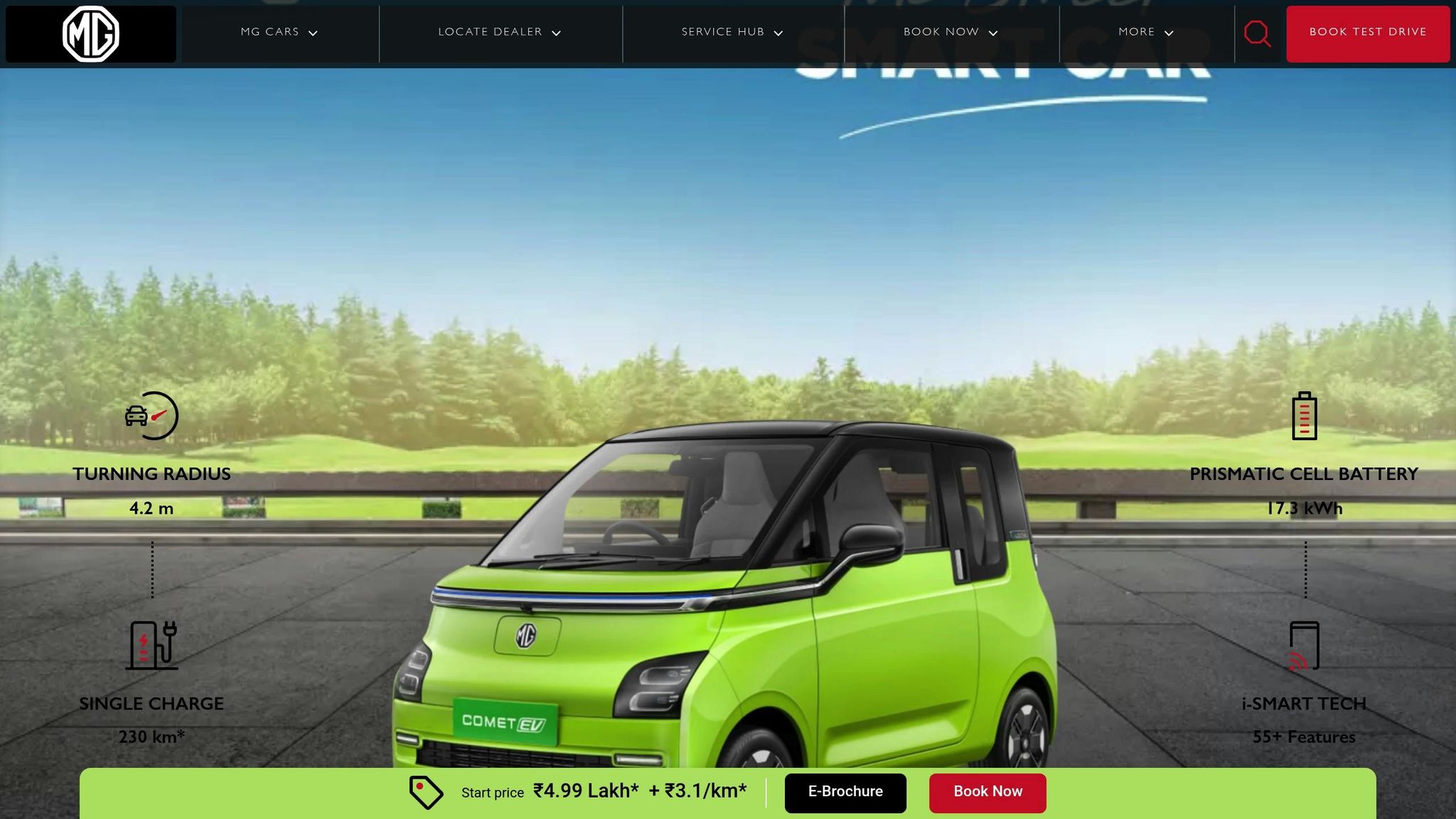
The MG Comet EV is another compact option, priced between PKR 3,200,000 and PKR 4,000,000. This model offers a 230 km range, making it ideal for daily city commutes. Its small size is perfect for navigating tight parking spaces and narrow streets. With a battery capacity of about 17.3 kWh, it provides low charging costs, keeping it economical for urban drivers.
Tata Tiago EV
For those looking for a balance of range and affordability, the Tata Tiago EV is priced under PKR 4,000,000. It delivers a 315 km range, powered by a 19–24 kWh battery. Known for its reliable performance and practical design, the Tiago EV is a solid choice for buyers focused on everyday convenience.
Wuling Air EV
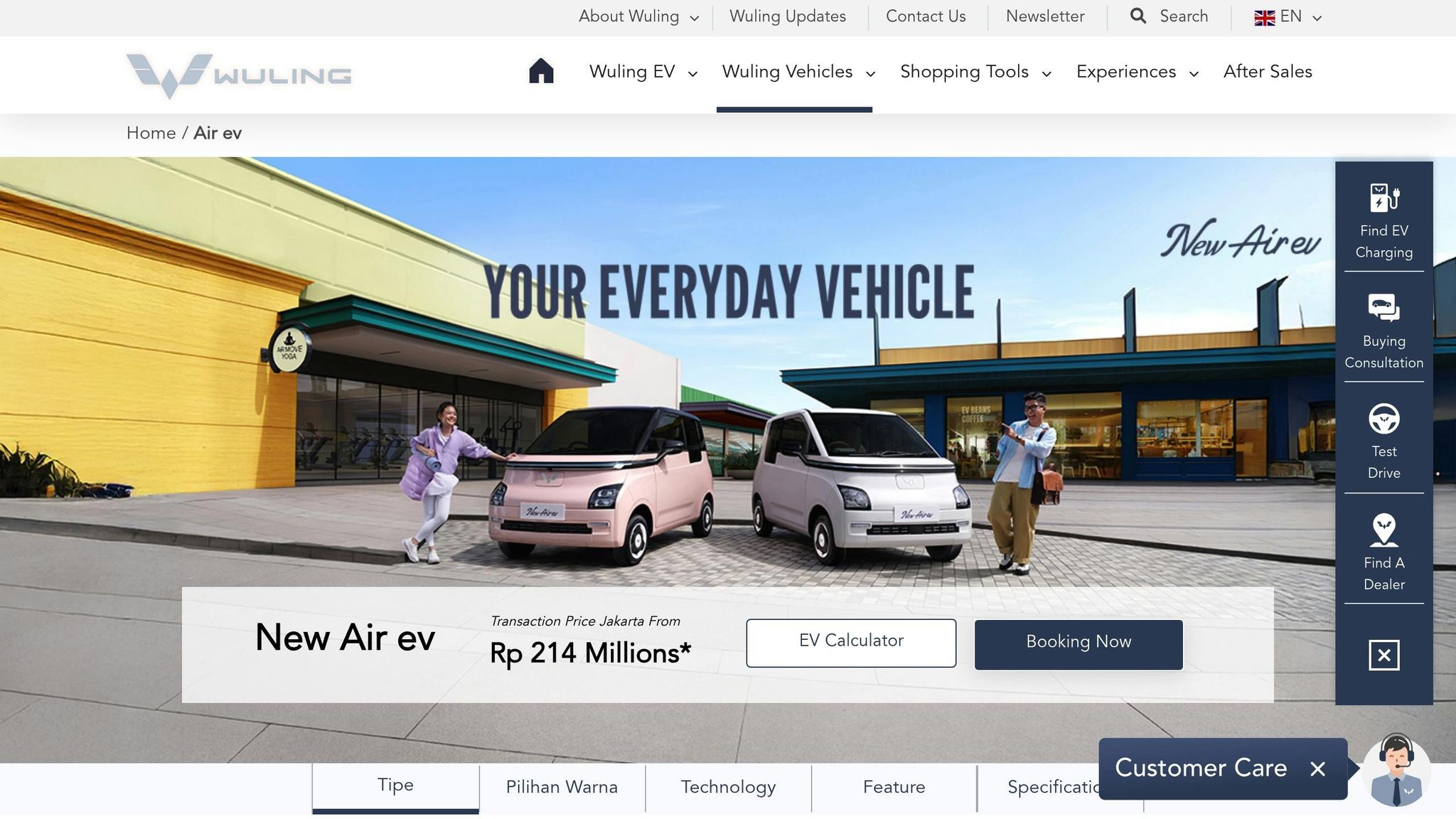
The Wuling Air EV, priced between PKR 3,000,000 and PKR 3,800,000, offers a 300 km range. Its efficient design and modern infotainment system make it an appealing option for first-time EV buyers who want to keep upfront costs down.
Neta V
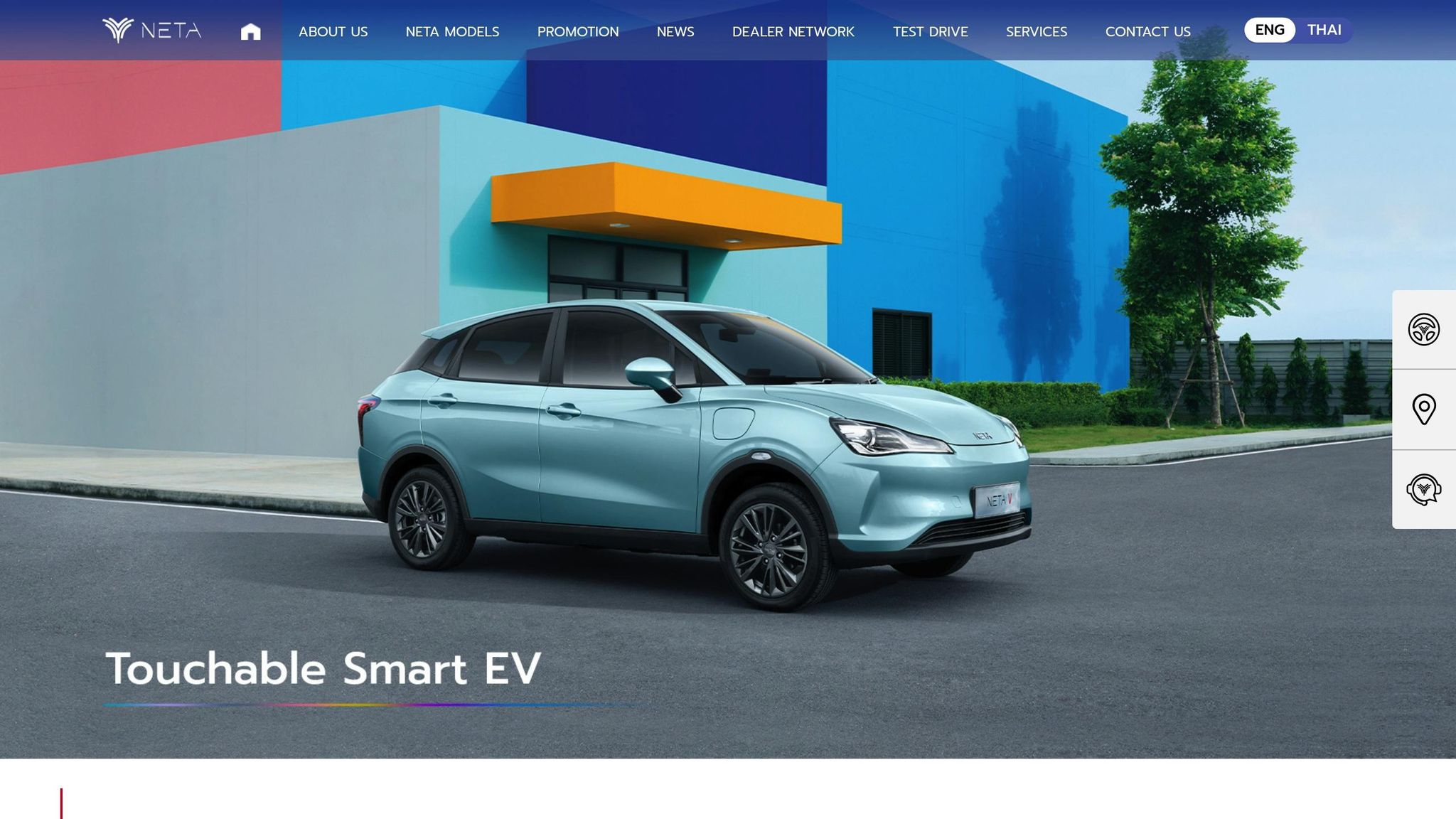
At a price range of PKR 4,200,000 to PKR 5,000,000, the Neta V stands out with its impressive 380 km range, the longest in this category. Its 38 kWh battery is paired with Advanced Driver Assistance Systems (ADAS), making it a great option for families seeking extra safety features and spacious interiors. The modern tech package further adds to its appeal as a practical family car.
These models provide a range of options for buyers, each offering a unique mix of features, performance, and affordability. A detailed comparison of their specifications will be covered in the following section.
Model Comparison
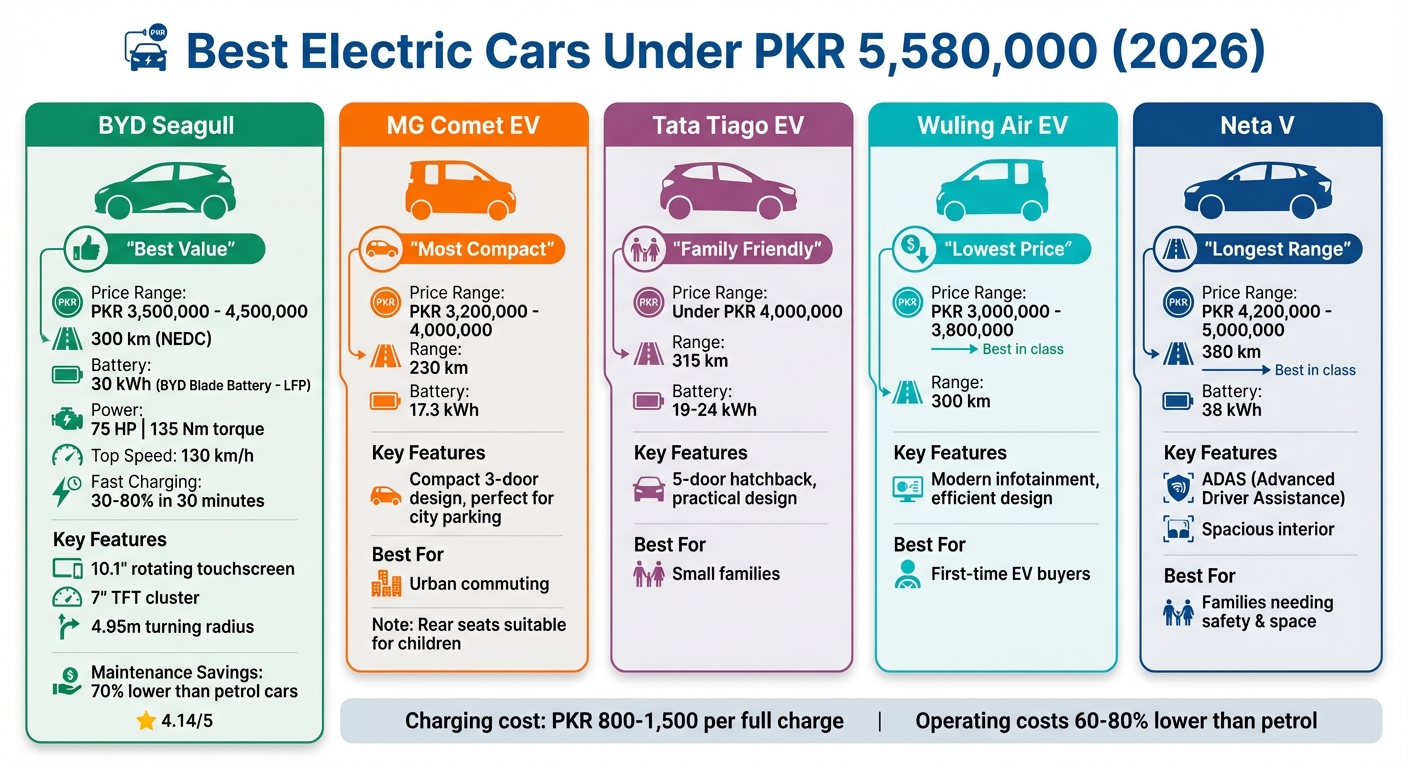
Best Electric Cars Under $20,000 in Pakistan: Complete Comparison Chart
This section helps buyers align their preferences with the most affordable EV options currently available in Pakistan.
Specifications Comparison Table
Here’s a breakdown of the key specifications, along with the standout features and limitations of each model:
| Model | Range (km) | Battery (kWh) | Key Pros | Key Cons |
|---|---|---|---|---|
| BYD Seagull | 300 | 30 | • Features BYD’s Blade Battery technology, offering enhanced safety and a lifespan exceeding 1 million miles • Fast charging (30–80% in just 30 minutes) • Equipped with a rotating touchscreen for added convenience |
– |
| MG Comet EV | – | – | • Compact three-door design, perfect for navigating congested urban areas | • Rear seating is more suitable for children |
| Tata Tiago EV | – | – | • A functional five-door hatchback, providing great versatility for small families | – |
Overview of the Models
The BYD Seagull takes the spotlight with its 30 kWh Blade Battery, offering long-lasting performance, quick charging, and a sleek rotating touchscreen. Meanwhile, the MG Comet EV is tailored for city driving with its compact three-door design, though its rear seats are better suited for children. Lastly, the Tata Tiago EV shines as a practical five-door hatchback, making it a solid choice for small families seeking utility and comfort.
sbb-itb-5f05a6f
Importing and Owning an EV in Pakistan
Import Process Steps
Bringing an electric vehicle (EV) into Pakistan involves meeting specific government criteria. There are three authorised import schemes: Personal Baggage (requires a 180-day stay abroad), Transfer of Residence (requires 700 days abroad), and the Gift Scheme (for immediate family members). For new EVs, they must be less than 12 months old and have under 2,000 km on the odometer. Used EVs, on the other hand, are limited to a maximum age of three years. Customs clearance has become smoother thanks to the Pakistan Single Window (PSW) system, which integrates ports, banks, and the Federal Board of Revenue for faster, paperless processing. Payments for imports must be made in foreign exchange through authorised banks. Under the Electric Vehicle Policy 2020–2025, the import duty for fully built EVs is set at just 1%. After clearing customs, it’s important to review the tax benefits and registration requirements.
Customs and Registration Requirements
Once your EV clears customs, focus on the tax and registration specifics. Importing EVs comes with some financial perks. For instance, vehicles with a battery capacity of 50 kWh or below qualify for a VAT exemption on fully built-up (CBU) imports until 30 June 2026. However, an 18% sales tax applies to all imported vehicles. Registration follows the usual process, but the government is actively encouraging EV adoption. EV sales surged by 64% in 2025, and authorities are aiming for EVs to make up 30% of all new registrations by 2030.
After-Import Support and Maintenance
Owning and maintaining an EV in Pakistan is relatively simple. Unlike petrol cars, EVs have fewer moving parts, which means less maintenance. Features like regenerative braking systems also help extend brake life. Most EVs sold in Pakistan come with battery warranties that cover 8 to 10 years or up to 160,000 km. Brands like MG and BYD are expanding their service networks to support EV owners.
"Most electric cars come with a battery warranty of 8 to 10 years or up to 160,000 km. If something goes wrong during that time, the company replaces or repairs it for free under warranty."
- Najeeb Khan, Automotive Writer
For home charging, expect to spend between Rs. 50,000 and Rs. 100,000 on setting up a charging station. A full charge, which provides 200–400 km of range, costs around Rs. 500 to Rs. 1,000. Currently, over 20 public charging stations are operational in major cities, and Chinese companies plan to install 3,000 more by 2030. If you’re importing a model like the Nissan Leaf, ensure the battery health is at least 80% and confirm that specialised service options are available in your area.
Conclusion
Electric vehicles priced under PKR 5,580,000 are reshaping urban transportation for families in Pakistan. Models like the BYD Seagull, MG Comet EV, Tata Tiago EV, Wuling Air EV, and Neta V combine modern features with affordability, offering charging costs as low as Rs. 800–1,500 – a fraction of what petrol-powered cars demand.
These EVs cater to a wide range of driving preferences. Whether you’re after a compact city car or a family-friendly hatchback with a range of up to 320 km, there’s something here for everyone. Many of these vehicles also come packed with perks like 10.1-inch touchscreens, reverse cameras, and battery warranties lasting up to 8 years, even in their entry-level versions.
Pakistan’s Electric Vehicle Policy 2020–2025 has made EV adoption more accessible by reducing import duties and expanding the charging infrastructure. This supportive environment aligns perfectly with EV24.asia’s mission to make the transition to electric mobility effortless.
With EV24.asia, you get a one-stop solution for choosing the right EV, handling customs clearance, registration, and after-sales support. Their transparent pricing, flexible payment plans, and expert advice tailored to the Pakistani market make switching to an electric vehicle easier than ever.
FAQs
What are the main advantages of buying an electric car under PKR 5,580,000 in Pakistan?
If you’re considering buying an electric car in Pakistan with a budget of under PKR 5,580,000, you’re in for some great benefits. One of the biggest perks is the lower running cost. Electricity is far cheaper than petrol or diesel, and electric vehicles (EVs) have fewer moving parts, which means reduced maintenance expenses. This can be a huge relief, especially with the unpredictable fuel price hikes we often see.
Another advantage is that EVs are much better for the environment. Since they produce zero emissions, they help combat air pollution – a growing concern in Pakistan’s urban areas. Plus, with increasing awareness of climate change, EVs align perfectly with the push for cleaner and greener transportation options. The government is also stepping up by improving EV infrastructure and offering incentives, making it easier and more practical to make the switch.
For those sticking to this budget, options like the Inverex Xio EV and BAW Pony EV stand out as reliable and affordable choices. These models are perfect for daily commutes and city travel, offering a cost-effective and eco-friendly solution for budget-conscious buyers.
What is the process for importing electric vehicles (EVs) into Pakistan?
Importing electric vehicles (EVs) into Pakistan requires navigating a few essential steps. First, it’s important to ensure you meet all local import regulations. This includes securing the necessary documents, such as import permits, and paying duties and taxes. These charges typically consist of customs duty, sales tax, and other levies, which can significantly influence the vehicle’s total cost.
When the EV arrives at the port, customs officials will carefully review all documentation and calculate the duties owed. Once customs clearance is complete, the next step is registering the vehicle with local transport authorities. For this, you’ll need to provide documents like the bill of lading, the vehicle’s invoice, and proof of duty payment. The registration process also involves a vehicle inspection and the issuance of licence plates.
Although the government has introduced policies to encourage the use of electric vehicles, the process still requires dealing with paperwork and paying the relevant tariffs. Planning early and consulting professionals can make the entire process smoother.
What are the maintenance and charging costs of owning an electric car in Pakistan?
Owning an electric car in Pakistan is often easier on the wallet compared to petrol or diesel vehicles. Electric vehicles (EVs) have fewer moving parts, don’t require oil changes, and use regenerative braking, which helps extend the life of brake components. While maintenance costs can vary by model, they’re generally lower than what you’d face with traditional cars.
Charging costs depend on electricity rates and the size of the battery. With electricity prices ranging between Rs. 20 and Rs. 30 per kWh, charging your EV at home is the most cost-effective choice. For example, fully charging a 30 kWh battery would cost approximately Rs. 600 to Rs. 900, which is a noticeable saving compared to filling up with petrol or diesel. Additionally, public charging stations are becoming more common in major cities, making it even easier to keep your EV powered up.
As the EV infrastructure in Pakistan continues to develop, owning an electric car is becoming an increasingly practical and budget-friendly option for drivers.