
 sysadmin
 South Korea, a global powerhouse in technology and automotive manufacturing, is rapidly embracing the electric vehicle revolution. With a proactive government, a tech-savvy population, and a robust industrial base, the country presents a dynamic and promising market for electric mobility. This article provides a comprehensive overview of the EV landscape in South Korea, covering everything from import regulations to the burgeoning local industry.
Officially the Republic of Korea, this East Asian nation has its capital in Seoul, a bustling metropolis that is the heart of the country’s economy and culture. With a population of approximately 51.7 million people, South Korea uses the South Korean Won (KRW) as its currency, and the official language is Korean. For those looking to import vehicles, it is important to note that South Korea drives on the right-hand side of the road. The main ports for vehicle importation are Busan, the country’s largest port, as well as Incheon and Pyeongtaek-Dangjin.
Importing electric vehicles into South Korea is encouraged through a favorable regulatory framework. While a general tariff of 8% is applied to imported cars, electric vehicles benefit from a 0% duty. Furthermore, the government has waived consumption and acquisition taxes for EVs to incentivize their adoption. To further sweeten the deal, the South Korean government offers subsidies for EV purchases, which can go up to 7.8 million won. There are also plans to increase these subsidies in the near future to accelerate the transition to electric mobility. As for vehicle age restrictions on imports, the regulations can be complex and vary based on the vehicle’s origin and type, so it is advisable for importers to seek the latest information from the relevant authorities. For now, this specific data is to be confirmed.
The South Korean EV market is experiencing significant growth. In 2024, the total sales volume of electric vehicles reached approximately 99,093 units, capturing a market share of 6.1%. Projections indicate that the EV market share could surge to 20% by the end of 2025, highlighting the rapid pace of adoption. The market is currently led by a mix of domestic and international brands. Tesla’s Model Y has proven to be extremely popular, alongside models from local giants Hyundai and Kia, such as the Kona Electric, IONIQ 6, EV6, and Niro EV. The most popular EV categories in the country are SUVs and sedans, reflecting the broader consumer preference in the automotive market.
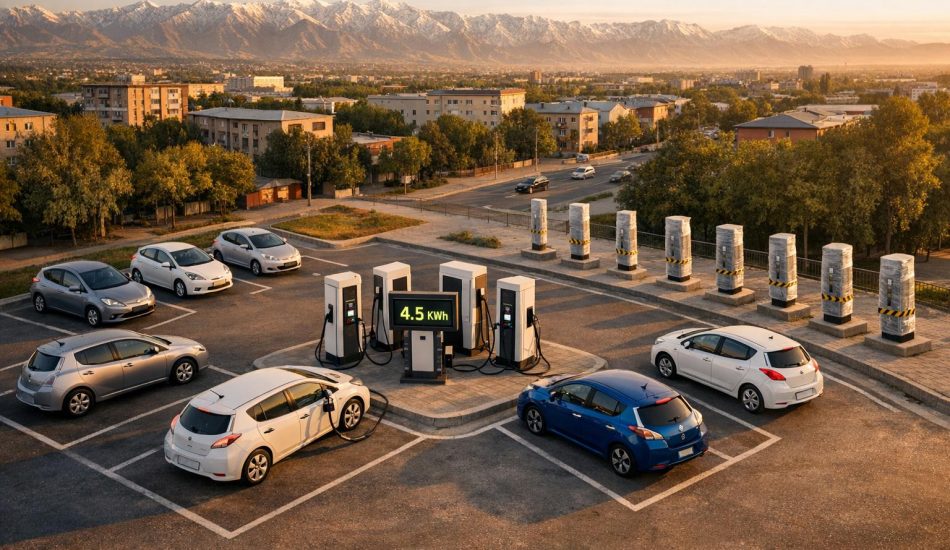
To support the growing fleet of electric vehicles, South Korea has been aggressively expanding its charging infrastructure. The country boasts over 200,000 public charging stations, with an ambitious goal to increase this number to 1.2 million by 2030. While the majority of these are AC chargers, the network of DC fast chargers is also expanding to cater to the demand for quicker charging solutions. Data to be confirmed on the exact split between AC and DC chargers. The charging infrastructure is operated by a mix of public and private entities, with major players including SK Electlink, Chaevi, and WARP Solution.
South Korea’s local EV industry is a cornerstone of its electric mobility strategy. The country is home to world-renowned automotive manufacturers like Hyundai and Kia, which are not only producing a range of popular EV models for the domestic market but are also major players in the global EV scene. Genesis, Hyundai’s luxury brand, is also making its mark with premium electric vehicles. The local ecosystem extends to charging equipment manufacturing, with companies like SK Electlink and Chaevi contributing to the build-out of the national charging network. The government is actively fostering this ecosystem through various initiatives aimed at promoting local EV production and research and development.
In conclusion, the South Korean electric vehicle market is on a steep upward trajectory, driven by strong government support, a robust local industry, and growing consumer demand. The market potential is immense, with ambitious targets for both EV adoption and charging infrastructure expansion. For EV importers, South Korea presents significant opportunities, particularly for those offering models that cater to the premium and SUV segments. As the country continues to invest in and prioritize electric mobility, it is set to remain a key market for the global EV industry for years to come.