
 sysadmin
 Thailand, a vibrant kingdom in the heart of Southeast Asia, is rapidly emerging as a key player in the global electric vehicle revolution. With its strategic location, robust automotive industry, and proactive government policies, the nation is paving the way for a sustainable and electric-powered future. This article provides a comprehensive overview of Thailand’s burgeoning EV market, from import regulations and market data to charging infrastructure and the local manufacturing landscape.
Thailand, with its capital city Bangkok, is home to a population of over 71 million people. The official language is Thai, and the national currency is the Thai Baht (THB). As a country with a rich automotive history, it is important for importers to note that Thailand drives on the left-hand side of the road. The main ports for vehicle importation are Laem Chabang and Bangkok, which are well-equipped to handle large volumes of automotive cargo.
The Thai government has implemented a series of measures to encourage the adoption of electric vehicles. These include significant reductions in import duties and excise taxes for battery electric vehicles (BEVs). For instance, the import duty for completely built-up (CBU) BEVs has been reduced from 80% to as low as 40% or even 0% under certain conditions and free trade agreements (FTAs). The excise tax has also been slashed from 8% to 2% for imported EVs. Furthermore, the government offers subsidies to both consumers and manufacturers to make EVs more affordable and to stimulate local production. While there are generally no age restrictions for importing used vehicles, specific regulations may apply to classic or vintage cars.
The Thai EV market has experienced exponential growth in recent years. In 2023, EV sales surged by an astounding 684%, with over 76,000 units sold, accounting for 12% of all vehicle sales. This upward trend has continued into 2025, with EV registrations in the first seven months nearly matching the entire volume of 2024. The market is dominated by Chinese brands, with BYD, MG, and NETA emerging as the top-selling EV brands. Popular models include the BYD Dolphin and Seal, as well as the MG4. The market shows a strong preference for electric sedans and SUVs, reflecting the diverse needs of Thai consumers.
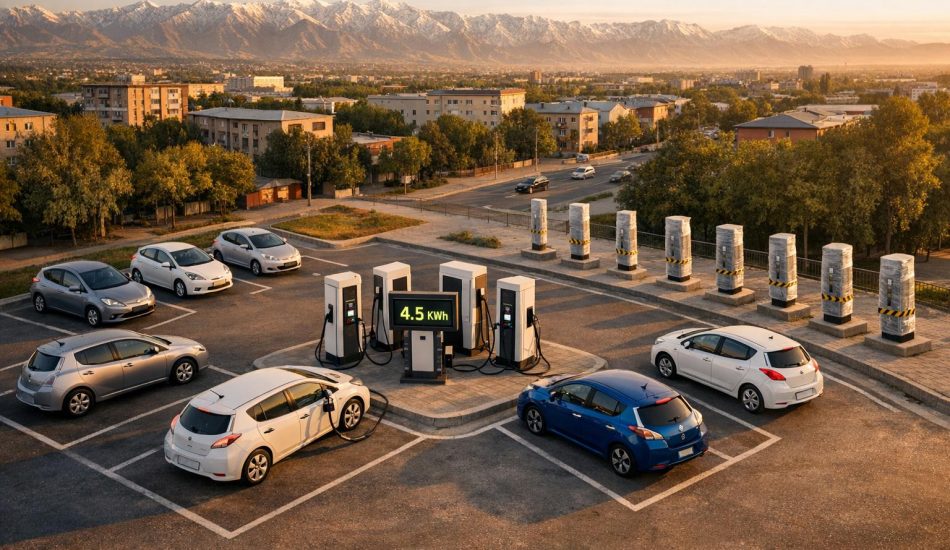
To support the growing number of EVs on its roads, Thailand is rapidly expanding its charging infrastructure. As of early 2025, the country boasts over 3,700 charging stations with more than 11,600 chargers, a number that has already surpassed the government’s initial targets. This network comprises a mix of AC and DC fast chargers, ensuring that EV drivers have access to convenient and reliable charging options. Major charging network operators include EA Anywhere, Evolt, and PTT’s EV Station PluZ, which are strategically located in shopping malls, condominiums, and public spaces across the nation.
Thailand is not only a major market for EVs but is also striving to become a global hub for electric vehicle production. The government’s “30@30” policy aims for 30% of all vehicles produced in the country to be electric by 2030. This has attracted significant investment from global automakers, with several companies establishing assembly plants and manufacturing facilities in the country. Local manufacturers like Mine Mobility and Nex are also making their mark in the commercial EV sector, producing electric buses and trucks. The local production of charging equipment is also on the rise, with companies like CITA EV Charger leading the way.
In conclusion, Thailand’s EV market presents a wealth of opportunities for importers and investors. The combination of strong government support, a rapidly growing consumer base, and a developing local manufacturing ecosystem makes Thailand a highly attractive market. As the nation continues on its path towards a greener and more sustainable future, the demand for electric vehicles and related infrastructure is set to soar, making it a prime destination for those looking to capitalize on the electric revolution in Southeast Asia.