
 Arka Pratama
 Lebanon, a nation at the crossroads of the Mediterranean and the Middle East, is beginning to embrace the global shift towards electric mobility. With its capital, Beirut, being a bustling hub of commerce and culture for a population of over five million people, the country is taking its first steps to foster a market for electric vehicles. The official currency is the Lebanese Pound (LBP), and while Arabic is the official language, French is also widely spoken and recognized. For vehicle importers, the main points of entry are the Port of Beirut and the Port of Tripoli, and it is important to note that Lebanon follows a right-hand traffic system.
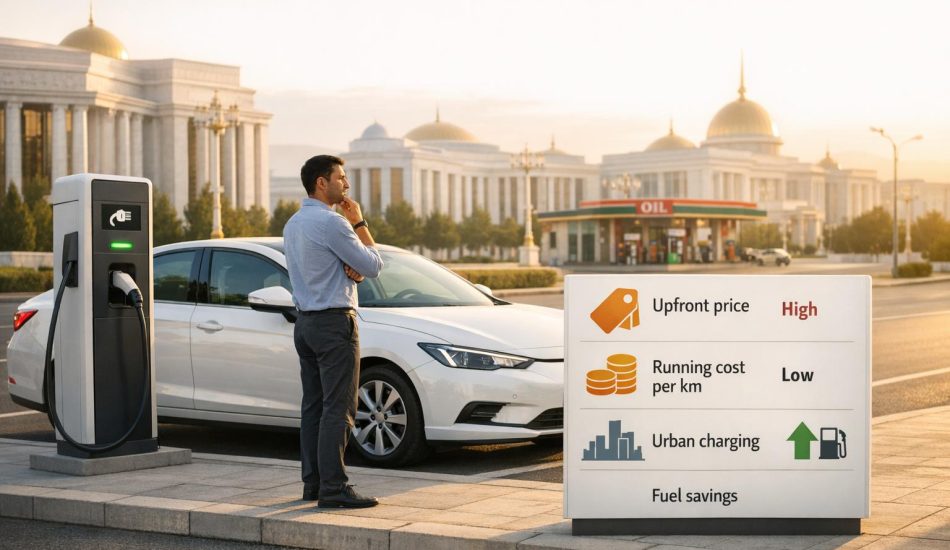
The Lebanese government has demonstrated a clear intent to encourage the adoption of electric vehicles through a series of attractive incentives. In a significant move to stimulate the market, fully electric vehicles are now completely exempt from customs duties and excise taxes upon importation. This is a substantial financial benefit for potential EV owners. Furthermore, the government offers a seventy percent reduction on both registration and mechanical fees for electric vehicles, further lowering the barrier to entry. For those considering importing used EVs, it is crucial to be aware of the country’s regulations, which prohibit the importation of vehicles older than eight years. These incentives are designed to make electric vehicles a more viable and affordable option for the Lebanese consumer.
The electric vehicle market in Lebanon is still in its nascent stages, with sales figures that are modest but growing. While comprehensive annual sales data remains to be confirmed, reports indicated that 29 electric vehicles were sold in December 2024, a small but promising number that suggests increasing consumer interest. The overall EV market share is, therefore, still minimal. Specific data on the top-selling EV brands and models is also to be confirmed, though a variety of international brands such as Chevrolet, BYD, Honda, XPeng, and Volvo are available in the country. The popularity of specific EV categories like sedans or SUVs is yet to be determined as the market matures.
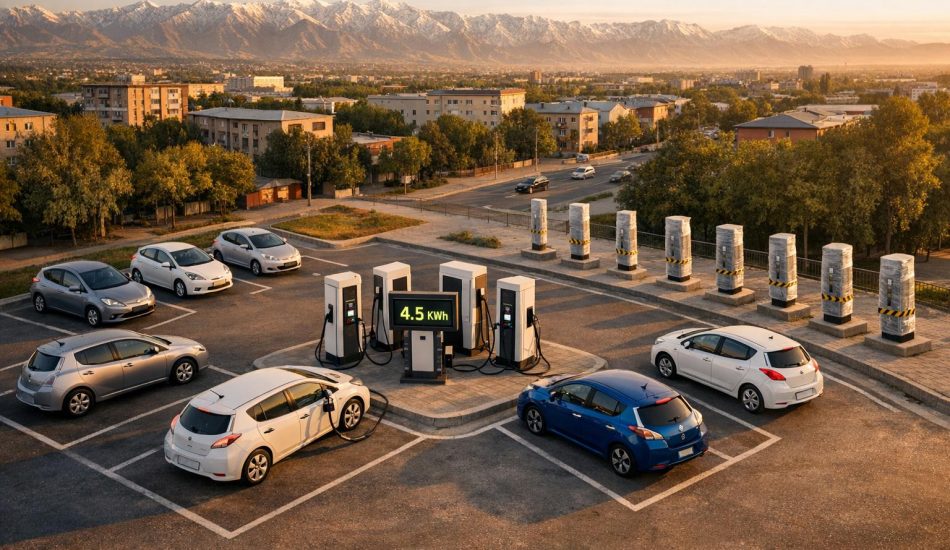
A critical component for the growth of any EV market is the availability of a robust charging infrastructure. In Lebanon, the public charging network is still developing. The exact number of public charging stations is to be confirmed, with estimates ranging from a dozen to around twenty-five stations across the country. Information regarding the specific breakdown of AC charging stations versus DC fast charging stations is also to be confirmed. However, private initiatives are emerging to fill this gap, with companies like EVzone, in partnership with IPT, establishing themselves as key operators in the deployment of a smart EV charging network.
The local electric vehicle industry in Lebanon is showing early signs of life, with a few domestic initiatives making headlines. Companies like Skylira and EV Electra, with its Quds Rise model, have been noted as emerging local EV manufacturers, though their long-term production and market impact are yet to be seen. Details on local manufacturing of charging equipment or the establishment of assembly plants are still to be confirmed. Similarly, specific government initiatives aimed at directly promoting local EV production are also to be confirmed, with the current focus being on incentivizing imports.
In conclusion, the electric vehicle market in Lebanon holds considerable potential. The government’s forward-thinking policies on tax exemptions and fee reductions create a favorable environment for growth. For EV importers, these incentives present a key opportunity to introduce a wider range of electric models to the Lebanese public. However, the market’s expansion is intrinsically linked to the nation’s broader economic recovery and the necessary development of a comprehensive and reliable charging infrastructure. As the country navigates its economic challenges, the groundwork being laid for a greener automotive future could see Lebanon emerge as a growing market for electric vehicles in the region.