
 Arka Pratama
 Brunei Darussalam, a nation recognized for its high standard of living and rich natural resources, is gradually making its way into the electric vehicle revolution. While the country has been slower to adopt EVs compared to its Southeast Asian neighbors, recent developments suggest a growing interest in sustainable transportation. This article explores the current state of the EV market in Brunei, including import regulations, market data, charging infrastructure, and the local industry, providing a comprehensive overview for potential EV importers and enthusiasts.
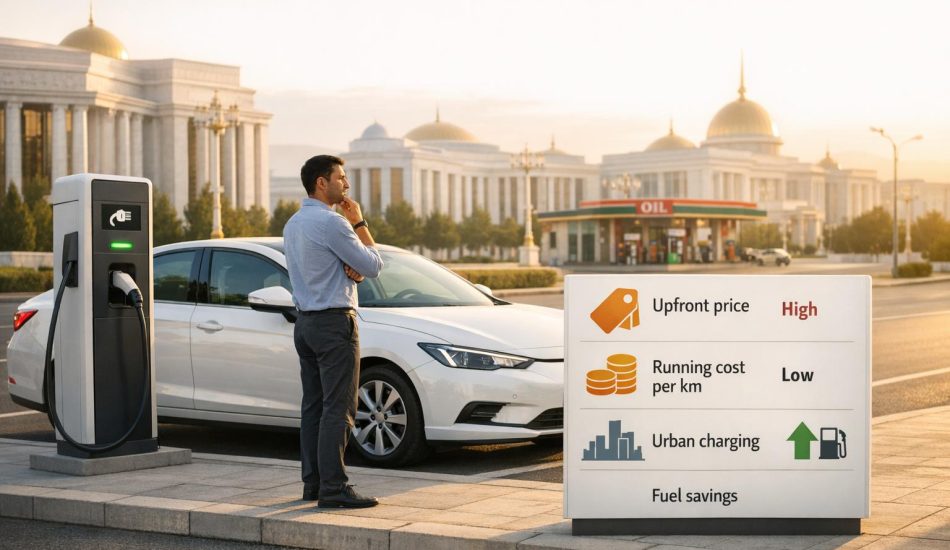
Located on the island of Borneo, Brunei has a population of approximately 466,330 people, with its capital city being Bandar Seri Begawan. The official language is Malay, and the currency is the Brunei dollar (BND). An important consideration for vehicle importers is that Brunei follows left-hand traffic, similar to its neighbors Malaysia and Singapore. The main port for vehicle importation is Muara Port, a critical gateway for trade and commerce in the region. The country’s economy is heavily reliant on oil and gas exports, which has resulted in some of the lowest fuel prices in the world. This economic factor has a significant impact on the EV market, as the financial incentive to switch from internal combustion engine (ICE) vehicles to EVs is less pronounced than in countries with higher fuel costs.
When it comes to importing electric vehicles into Brunei, there are specific regulations to consider. While there is no import duty on EVs, an excise duty of 20% is levied. This tax, combined with the already high upfront cost of EVs, can make them a less attractive option for many consumers. Currently, the government does not offer significant incentives or subsidies for EV purchases, such as tax rebates or grants, which further dampens the market. Information regarding vehicle age restrictions for imports is yet to be confirmed, but this is a crucial piece of information for those looking to import used EVs. The lack of a clear and supportive policy framework for EV adoption is a major hurdle that needs to be addressed to accelerate the transition to electric mobility.
The electric vehicle market in Brunei is still in its nascent stages but shows signs of growth. As of March 2025, there were 136 registered EVs in the country, a notable increase from the 19 units registered in 2023. While the overall EV market share is yet to be determined, Chinese automaker BYD has emerged as the top-selling EV brand, with its Sealion 6 model gaining particular popularity. The success of BYD highlights the potential for affordable and well-equipped EVs to gain traction in the Bruneian market. The most popular EV categories, such as sedans or SUVs, are yet to be definitively established, but the trend towards SUVs in the global market is likely to be reflected in Brunei as well.
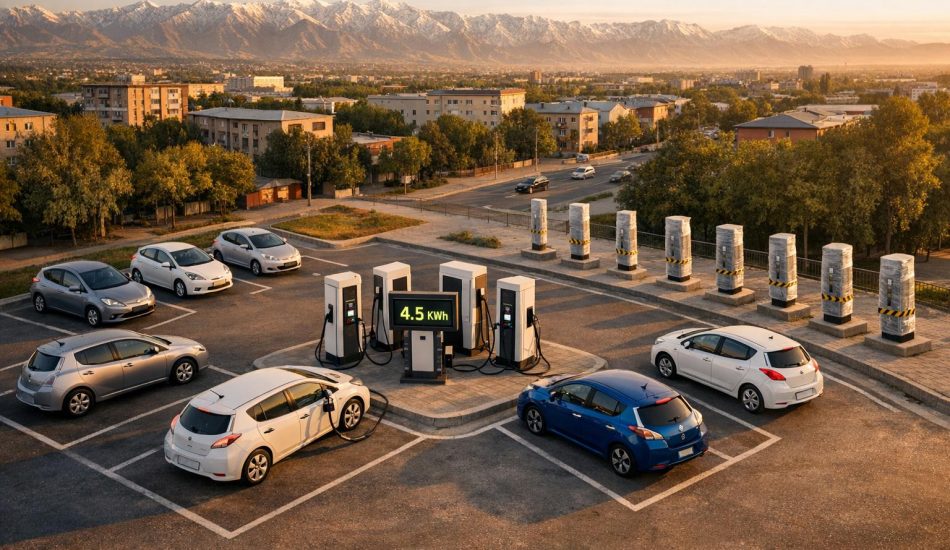
To support the growing number of EVs, Brunei is developing its charging infrastructure. While the total number of public charging stations and the specific breakdown of AC and DC chargers are to be confirmed, there is at least one 350kW DC fast charger available, provided by Porsche. This high-powered charger is a significant step forward, as it can charge an EV to 80% in under 30 minutes. Key players in the charging network scene include ChargEV and Porsche, who are working to expand the availability of charging points across the nation. The expansion of the charging network is crucial for alleviating range anxiety and making EV ownership a more practical option for the average consumer.
The local EV industry in Brunei is also an area of focus for the government. In 2019, an EV Joint Task Force was established to formulate strategies for domestic EV production. This initiative signals a long-term vision for a more sustainable and self-reliant EV ecosystem in Brunei. However, details on local EV manufacturers, charging equipment producers, and assembly plants are still to be confirmed. The development of a local EV industry could create new jobs, reduce the country’s reliance on imported vehicles, and position Brunei as a player in the regional EV market.
In conclusion, the EV market in Brunei presents both opportunities and challenges. The lack of significant government incentives and low fuel prices may temper rapid adoption, but the growing number of registered EVs and the government’s interest in local production indicate a promising future. For EV importers, the key opportunities lie in offering models that are competitively priced and well-suited to the local context. As the charging infrastructure continues to develop and consumer awareness grows, Brunei’s EV market holds the potential for significant expansion in the coming years. The journey towards a fully electric vehicle fleet will be a gradual one, but the seeds of change have been sown, and the road ahead looks promising for the future of electric mobility in Brunei Darussalam.